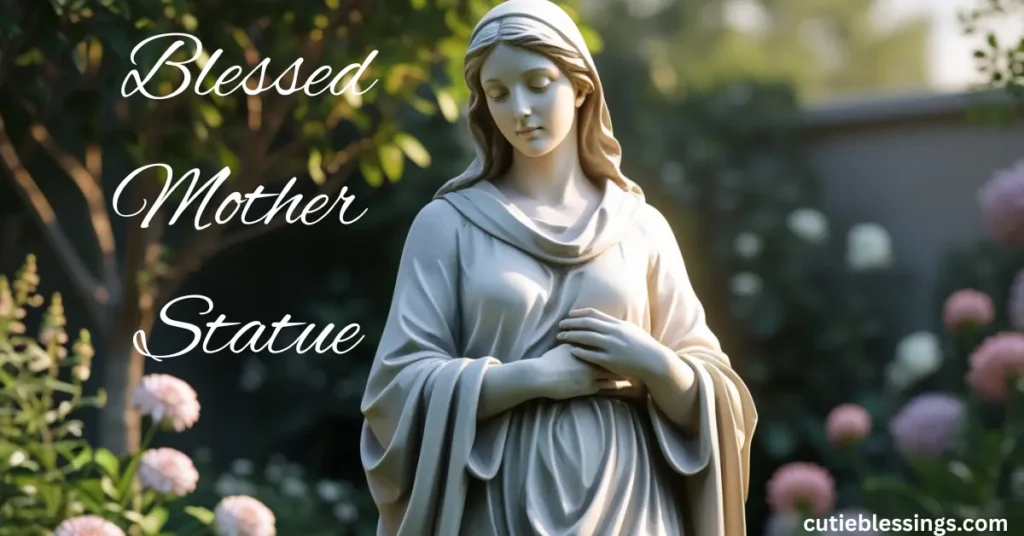
Across centuries, one artistic figure has appeared in homes, museums, gardens, and cultural institutions worldwide: the Blessed Mother. Represented in statues of varying materials, styles, and expressions, this iconic figure is recognized not only for spiritual meaning but also for universal symbolism of compassion, peace, and maternal care.
But why do blessed mother statues hold such lasting appeal, even for people who may not follow a specific faith tradition? What makes them enduring in art history, interior design, and cross-cultural symbolism?
This comprehensive, research-based guide explores the meaning, evolution, craftsmanship, placement ideas, modern relevance, and care of blessed mother statues.
Table of Contents
What Are Blessed Mother Statues?
Blessed mother statues typically depict the mother figure associated with compassion, nurturing, and peace. While their origins lie in Christian iconography, their artistic influence transcends religious boundaries.
Art historians note that maternal statues have existed for thousands of years—from ancient fertility symbols to Renaissance sculptures emphasizing grace and purity. Blessed mother statues continue this global tradition of portraying motherhood as a source of comfort and emotional grounding.
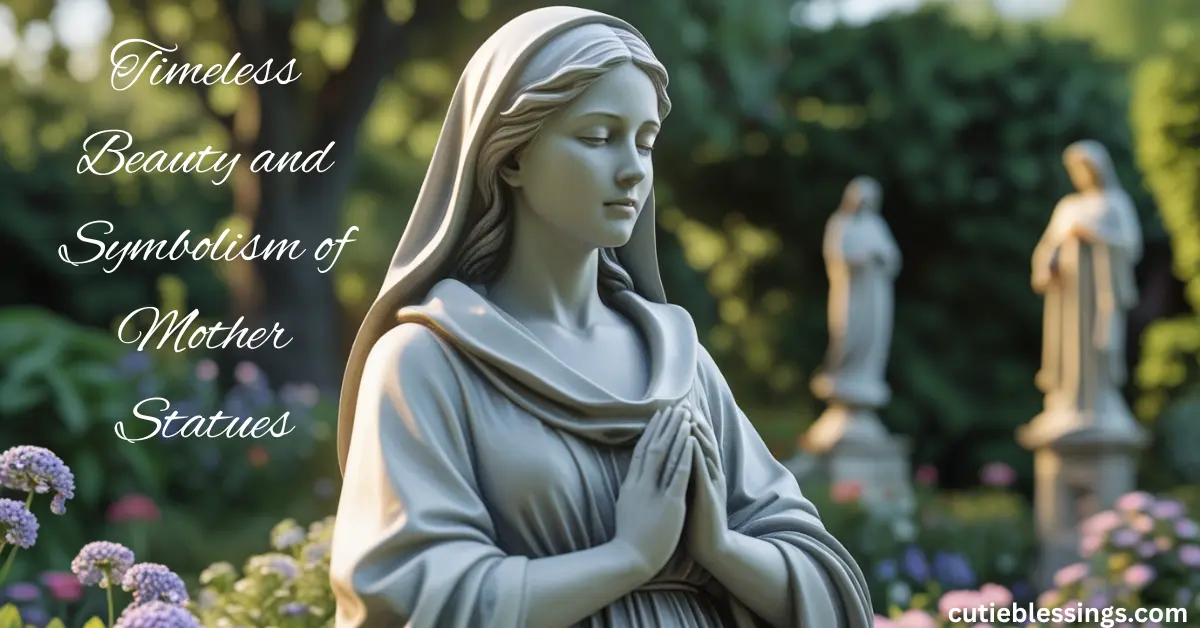
Key characteristics include:
- Gentle, calm facial expressions
- Hands in gestures of welcome, protection, or prayer
- Flowing robes or gowns
- Postures symbolizing peace or nurturing
- Optional symbolic elements like halos, children, or flowers
Example: The famous Madonna and Child statues in Florence museums showcase both artistic mastery and maternal symbolism, illustrating centuries of design influence still seen in modern replicas.
Historical Evolution of Blessed Mother Statues Across Time
Understanding the evolution of these statues helps explain their enduring appeal.
1. Early Origins and Classical Influence
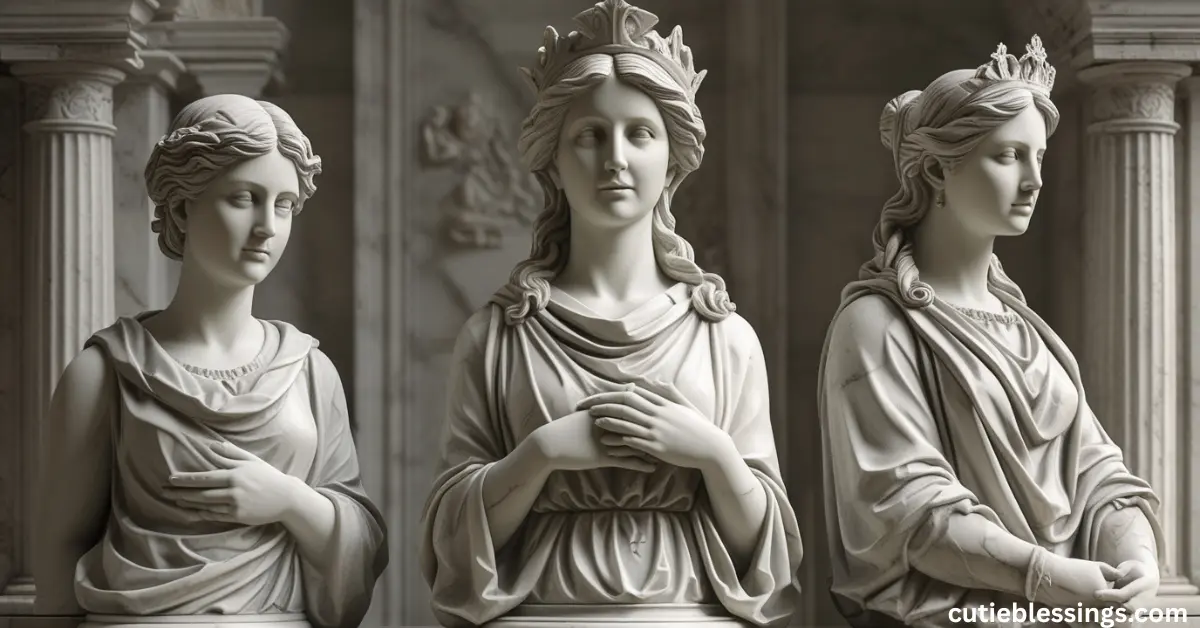
Before modern Christian iconography, sculptures of mother figures existed in ancient cultures:
- Mesopotamia: Fertility goddesses emphasized abundance and continuity of life.
- Ancient Greece & Rome: Sculptures celebrated maternal tenderness and human form, with detailed drapery and calm expressions.
These early works shaped gestures, poise, and symbolic expressions used in later blessed mother statues. Example: The Roman goddess Ceres’ statues highlighted nurturing and agricultural abundance, influencing Renaissance interpretations of maternal care.
2. Medieval and Gothic Periods
During the Middle Ages, the Blessed Mother was portrayed with serenity, protection, and divine motherhood in mind:
- Minimal facial expression
- Symmetrical poses
- Crowns or halos
- Stone or wood materials
The Gothic era added elongated forms and expressive detailing, highlighting humility and compassion. Example: Notre-Dame Cathedral in Paris houses iconic Gothic Virgin statues with serene, elongated proportions, still inspiring modern replicas.
3. Renaissance Era: Human Emotion and Naturalism
Renaissance artists like Michelangelo and Donatello emphasized realism, proportion, and emotional depth:
- Soft facial expressions
- Natural drapery folds
- Maternal interaction
- Human warmth
Example: Donatello’s Madonna of the Clouds reflects maternal tenderness and technical mastery, influencing modern sculpture designs.
4. Baroque and Rococo Influence
Baroque artists introduced dynamic movement, intricate drapery, and heightened emotional expression:
- Flowing robes with dramatic folds
- Gestures that engage viewers
- Ornate, theatrical bases or pedestals
Rococo interpretations softened the drama, emphasizing grace, charm, and delicate decorative elements. Collectors today seek statues influenced by these styles for elegant home décor.
5. Modern and Contemporary Designs
Contemporary blessed mother statues include diverse artistic interpretations:
- Minimalist silhouettes for modern interiors
- Garden-friendly materials like resin and concrete
- Culturally reinterpretive works reflecting Latin American, African, or Asian styles
This diversity allows them to fit multiple interior and exterior environments, blending tradition with modern aesthetics.
What Do Blessed Mother Statues Represent? Universal Symbolism
While deeply tied to Christian traditions, the symbolism of the Blessed Mother resonates universally. Scholars in anthropology and cultural studies note that maternal figures represent shared human values.
1. Compassion and Care
Gentle postures and serene expressions symbolize empathy, reassurance, and human connection.
2. Peace and Calm
Art therapists highlight that calm figures create soothing environments, explaining why people display statues in meditation rooms, gardens, or quiet corners.
3. Inspiration and Reflection
These figures can embody inner resilience, moral strength, and nurturing qualities, even outside religious contexts.
4. Cultural Heritage and Artistic Legacy
Collectors and designers value these statues for centuries-long craftsmanship, aesthetic evolution, and artistic devotion. Museums such as the Vatican Museums and Uffizi Gallery preserve masterpieces that inspire contemporary design.
Types of Blessed Mother Statues: Materials, Styles, and Variations
The material and style influence durability, emotional impact, and visual presence.
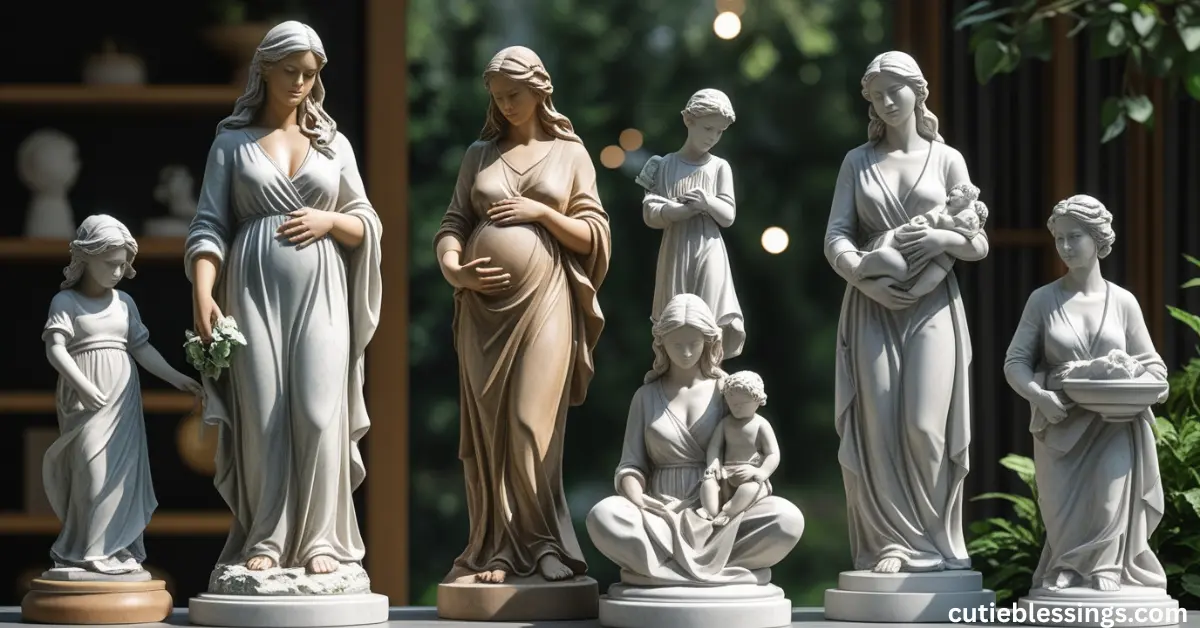
1. By Material
- Stone: Long-lasting, weather-resistant, ideal for gardens.
- Marble: Smooth, luxurious, durable, linked to Renaissance artistry.
- Bronze: Corrosion-resistant, suitable indoors or outdoors, ages gracefully.
- Resin/Polyresin: Lightweight, detailed, budget-friendly, ideal for indoor display.
- Porcelain/Ceramic: Fine craftsmanship, delicate, perfect for shelves or altars.
Pro Tip: Outdoor bronze statues can develop a green patina over time, enhancing antique aesthetics.
2. By Artistic Style
- Traditional: Detailed robes, realistic expressions, symbolic elements.
- Modern Minimalist: Smooth, abstract interpretations; ideal for contemporary homes.
- Cultural Variations: European, Latin American, Asian, and African styles.
- Figurines Holding a Child: Represent nurturing and family bonds.
How to Choose the Right Blessed Mother Statue
Selecting a statue is both aesthetic and emotional.
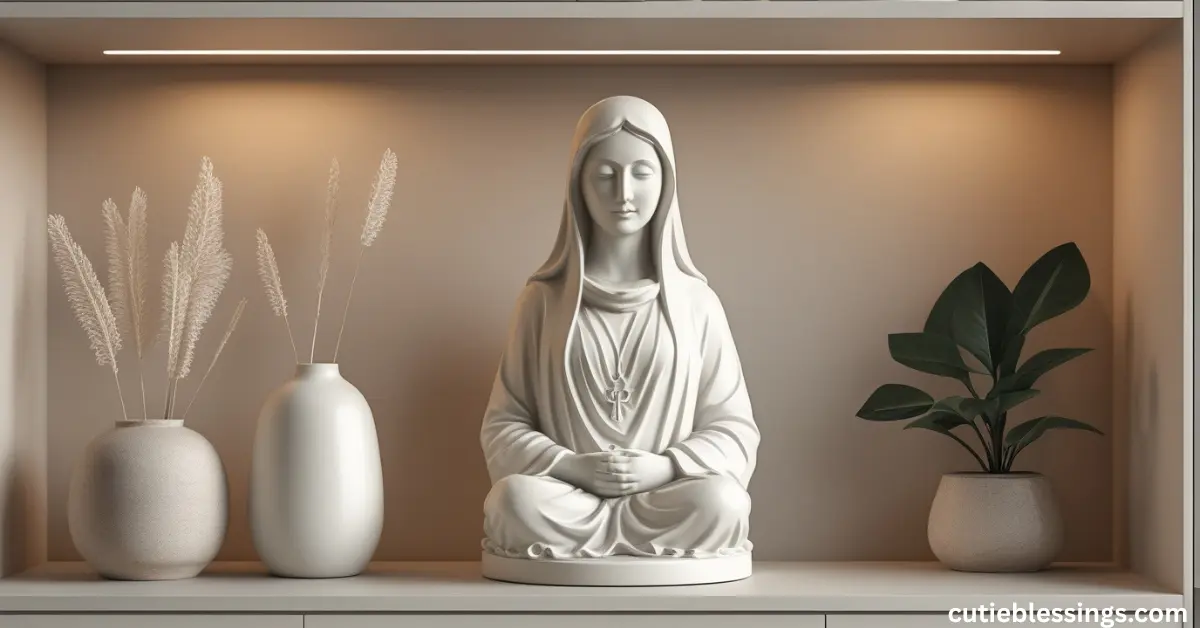
1. Consider Placement Location
Outdoor: Stone, bronze, concrete, or weather-sealed resin; ensure stability.
Indoor: Porcelain, resin, wood, or marble; consider lighting, wall colors, and surrounding décor.
2. Determine the Emotional Tone
Ask what the statue should convey: calmness, comfort, maternal protection, or artistic interest.
3. Match Style to Design Theme
- Modern Homes: Minimalist lines, neutral colors.
- Classic Interiors: Traditional robes, soft expressions.
- Bohemian/Eclectic: Hand-carved or culturally inspired pieces.
4. Choose the Right Size
- Small (4–10 inches): Shelves, desks, bedside tables.
- Medium (12–24 inches): Entryways, mantels, display areas.
- Large (2–6 feet): Gardens, porches, institutional spaces.
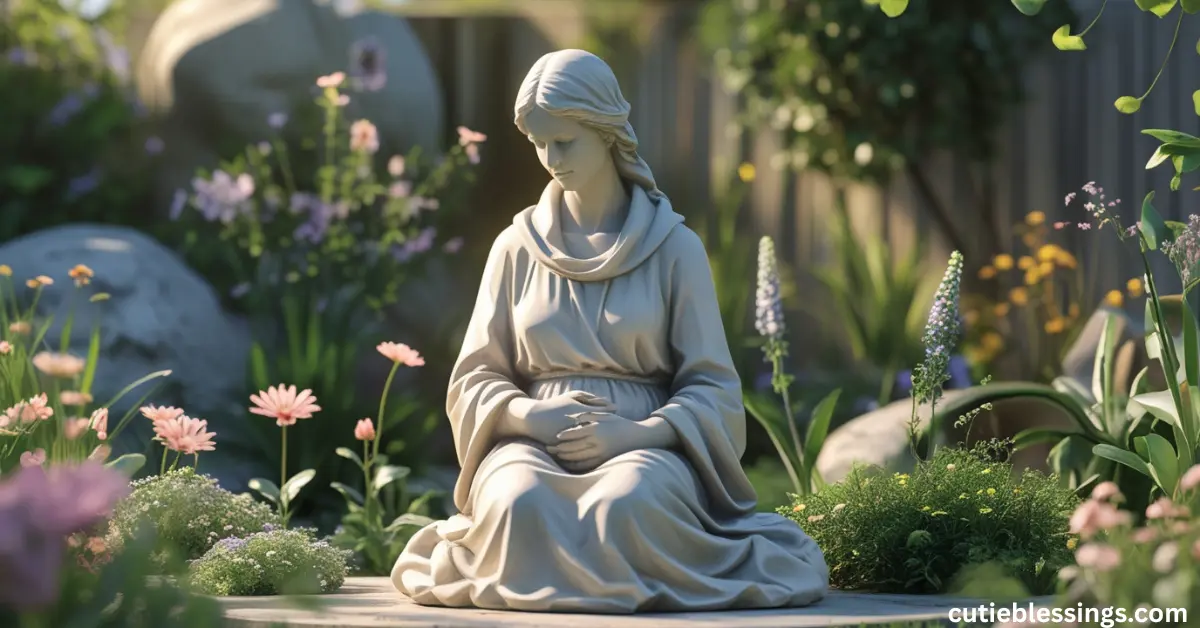
Example: A 3-foot resin statue in a garden nook can create a focal point while remaining durable.
Where to Place Blessed Mother Statues for Visual Impact
1. Indoor Ideas
- Entryway/Foyer: Inviting, calm ambiance
- Living Room: Central, serene display
- Bedroom: Quiet reflective space
- Library/Study: Enhances focus and contemplation
- Shelves/Niches: Small or medium statues for display protection
2. Outdoor Ideas
- Gardens: Among plants, near water features
- Porches/Patios: Welcoming aesthetic
- Under Trees: Shade and tranquil backdrop
- Institutional Courtyards: Represents compassion and harmony
Cultural Roles Around the World
1. European Artistic Heritage
Long history of sculpture contributes to classical designs still popular today.
2. Latin American Interpretations
Vibrant colors, patterns, and regional motifs reflect local heritage.
3. Asian Influences
Minimalist forms, symbolic gestures, and philosophical elements influence modern designs.
4. African Wood Carving
Combines Blessed Mother symbolism with indigenous craftsmanship.
5. Middle Eastern & Indian Perspectives
While not Christian in origin, mother figures in Islamic and Hindu art share similar themes of compassion, care, and protection, highlighting universal maternal symbolism.
Caring for Your Blessed Mother Statue
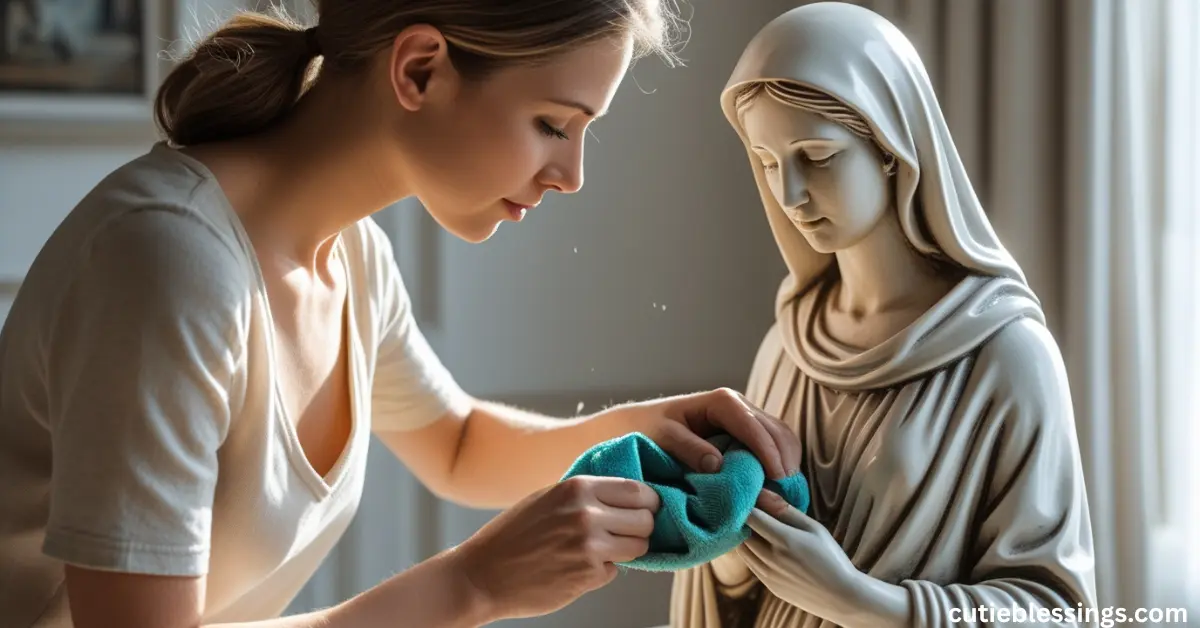
1. Cleaning
- Soft cloth for indoor pieces
- Mild soap and water for outdoor statues
- Avoid harsh chemicals
2. Weatherproofing
- Seal stone, concrete, or resin
- Elevate slightly to prevent water damage
3. Handling & Storage
- Two hands for delicate figurines
- Store with padding when not displayed
Modern Interior Design Trends
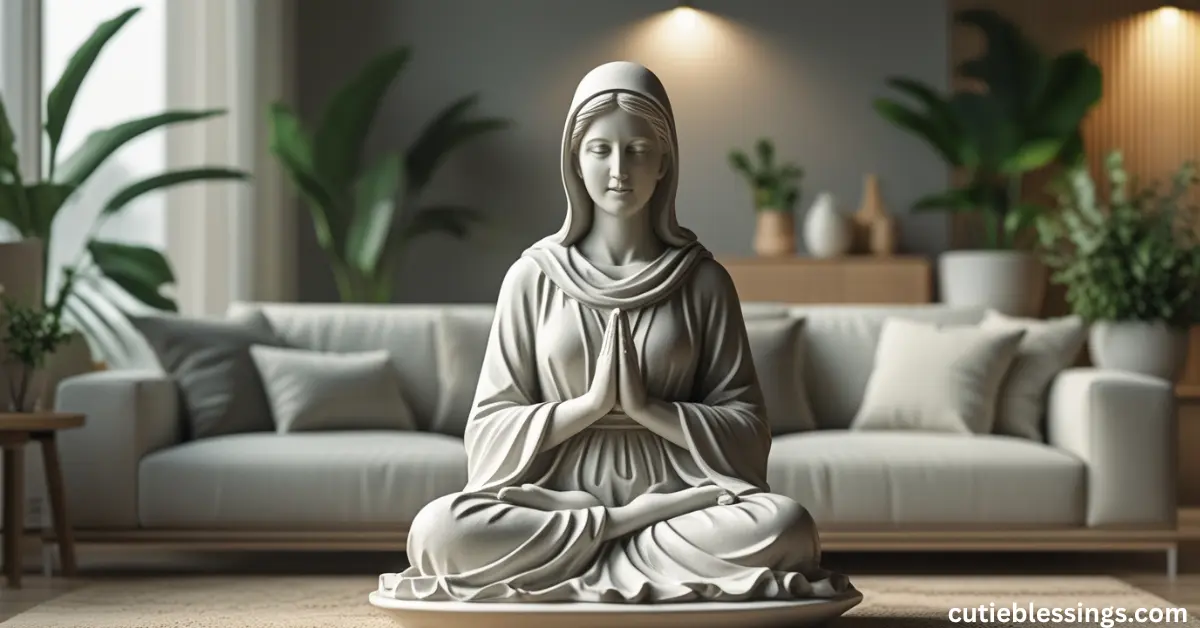
1. Symbolic Minimalism
Neutral-toned, smooth statues complement contemporary interiors.
2. Biophilic Design
Placed among plants or natural materials, enhancing connection with nature.
3. Meaningful Decor Movement
Objects with emotional or cultural significance are favored over generic décor.
Why Blessed Mother Statues Remain Relevant
1. Emotional Anchors
Calming visual elements reduce stress and promote emotional balance.
2. Timeless Universal Values
Compassion, care, and peace transcend belief systems.
3. Cultural Identity
Part of generational tradition and artistic continuity.
4. Architectural Symbolism
Used in public and institutional spaces to convey comfort and community.
Buying Guide: Materials, Cost, and Durability
- Marble: $200–$2000; long-lasting but heavy
- Bronze: $500–$5000; develops patina over time
- Resin: $50–$500; lightweight, affordable, indoor-friendly
- Porcelain: $100–$1000; delicate, ideal for display shelves
Tip: Consider lighting, background décor, and complementary objects to maximize aesthetic impact.
Conclusion:
Blessed mother statues are more than decorative objects—they are timeless symbols of compassion, peace, and maternal care that resonate across cultures, artistic traditions, and personal spaces.
Their appeal lies not only in artistic craftsmanship but also in their ability to inspire reflection, evoke calm, and connect people with universal human values. Whether placed in a garden, living room, study, or institutional setting, a well-chosen statue can enhance ambiance, create a focal point, and offer emotional grounding.
For collectors, designers, or anyone seeking meaningful décor, blessed mother statues provide a blend of history, artistry, and serenity that few other objects can match. Beyond religious contexts, they remain relevant today for their timeless elegance, cultural significance, and universal symbolism.
You can also read: Unveiling the Hidden Grace of the Blessed Mary Statue
FAQs:
What are Blessed Mother statues used for?
Primarily for decoration, inspiration, and cultural or artistic appreciation.
Can I place a Blessed Mother statue outdoors?
Yes, but choose durable materials like stone, bronze, or weather-resistant resin.
What is the symbolic meaning?
They symbolize compassion, peace, maternal care, and cultural heritage.
How do I clean a statue?
Indoor pieces: soft cloth; outdoor pieces: mild soap and water, avoid harsh chemicals.
Do all statues have religious significance?
No, many are appreciated purely for their aesthetic, emotional, and cultural value.