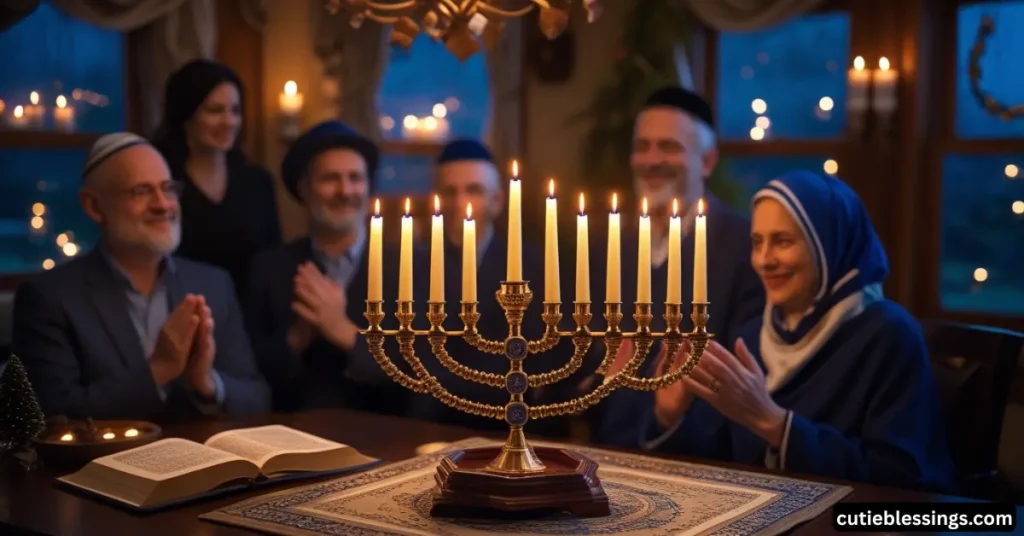
The flickering glow of the menorah is the universal symbol of a season dedicated to resilience and hope. While the smell of frying latkes and the sound of children playing with dreidels fill the home, the absolute pinnacle of the evening is the lighting of the candles. This moment is the heartbeat of the holiday. For a host, being the one to lead the Hanukkah blessings is a profound responsibility and a golden opportunity to create a lasting impression on your guests.
If you have ever felt a flicker of nervous energy before the match is struck, you are not alone. Whether you are hosting for the first time or looking to deepen your connection to the tradition, understanding the nuances of Hanukkah blessings will elevate your celebration from a simple dinner to a soulful experience. This guide explores every aspect of the prayers, the protocol, and the professional hosting secrets that ensure your ceremony is flawless.
Table of Contents
The True Power of Hanukkah Blessings
The act of lighting the candles is known in tradition as Pirsum HaNes. This phrase translates to the publication of the miracle. When you recite Hanukkah blessings, you are not just saying words; you are performing an ancient act of storytelling. You are announcing to your family, your guests, and the world that light can overcome darkness.
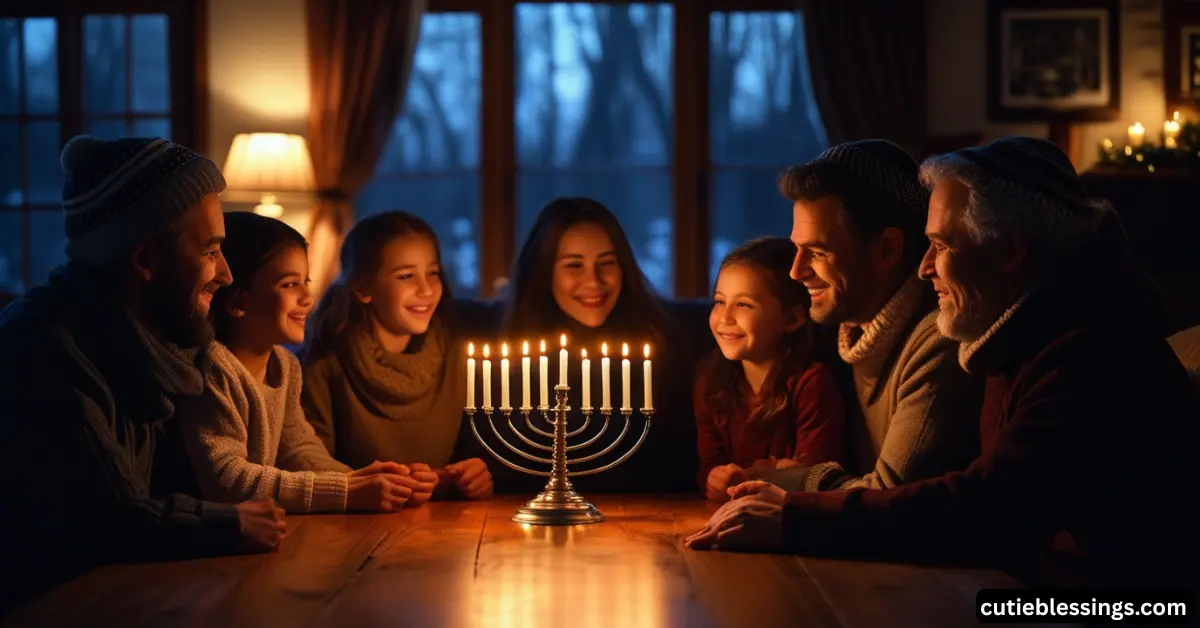
Standing before the menorah creates a natural pause in our fast-paced lives. For those few minutes, the phone is put away, the conversation hushes, and everyone focuses on the growing light. As a host, your mastery of these prayers signals to your guests that they are in a space of intentionality and warmth. It builds trust and allows everyone to feel included in a moment that is much larger than themselves.
Preparing Your Space for the Perfect Ceremony
To impress your guests instantly, your preparation must begin long before the first guest knocks on the door. A seamless ceremony is the result of careful environmental planning.
Choosing the Right Location
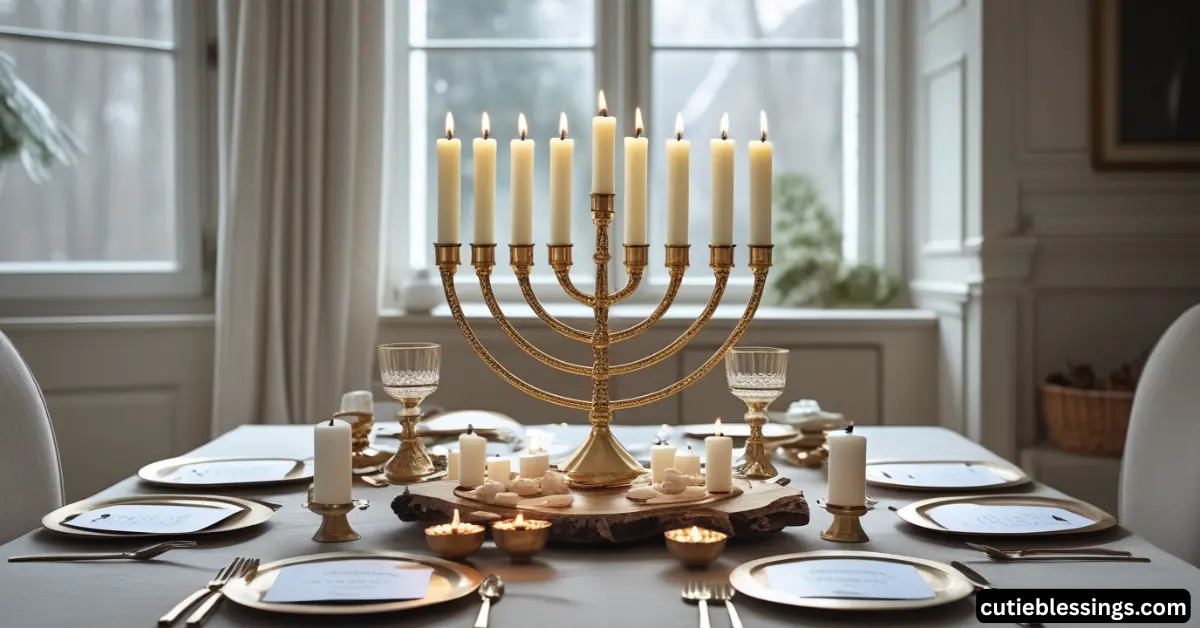
Traditional practice suggests placing the menorah in a window so that passersby can see the lights. However, from a hosting perspective, you must also consider the flow of the room. Choose a sturdy, heat-resistant surface that allows your guests to gather in a semi-circle. This arrangement ensures that everyone has a clear view of the flames and can hear the Hanukkah blessings clearly.
The Essential Checklist
Ensure you have the following items ready at least an hour before the ceremony:
-
A clean menorah (remove old wax from previous nights).
-
High-quality candles that fit snugly in the holders.
-
A lighter or a reliable box of matches.
-
Printed cards containing the Hanukkah blessings in Hebrew, transliteration, and English.
-
A drip tray to protect your furniture from melting wax.
The First Blessing: The Commandment of Light
The first of the Hanukkah blessings is the foundation of the ritual. It is recited every single night of the holiday. This prayer focuses on the specific action you are about to take: kindling the light.
The Hebrew Recitation
The text is as follows: Baruch atah Adonai, Eloheinu Melech ha-olam, asher kid’shanu b’mitzvotav v’tsivanu l’hadlik ner shel Hanukkah.
Understanding the Meaning
In English, this translates to: Blessed are You, Lord our God, King of the universe, who has sanctified us with His commandments and commanded us to kindle the Hanukkah light.
Professional Recitation Tip
To truly impress, do not rush the first word. Take a deep breath, make eye contact with your guests, and begin. If you are not fluent in Hebrew, practice the phonetic pronunciation until it feels natural. A slow, rhythmic delivery carries more weight and authority than a fast, garbled one.
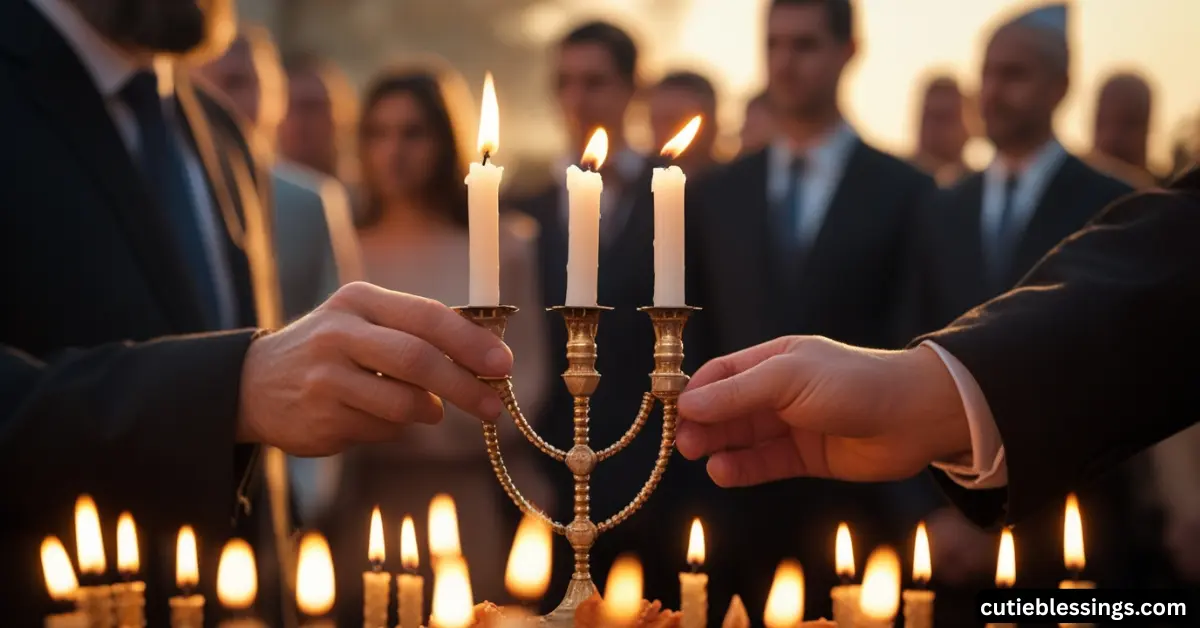
The Second Blessing: Acknowledging History
Immediately following the first prayer, you recite the second of the Hanukkah blessings. This one shifts the focus from the physical act of lighting to the historical and spiritual reason for the celebration.
The Hebrew Recitation
The text is as follows: Baruch atah Adonai, Eloheinu Melech ha-olam, she-asah nisim l’avoteinu bayamim ha-hem baz’man ha-zeh.
Understanding the Meaning
This translates to: Blessed are You, Lord our God, King of the universe, who performed miracles for our ancestors in those days at this time.
Contextual Hosting
The phrase “in those days at this time” is a powerful hook for a host. After you finish this blessing, you might take ten seconds to remind your guests that while the miracles happened thousands of years ago, the “time” is now. This brief bridge between history and the present day shows your guests that you have a deep grasp of the holiday’s themes.
The Third Blessing: The Joy of the First Night
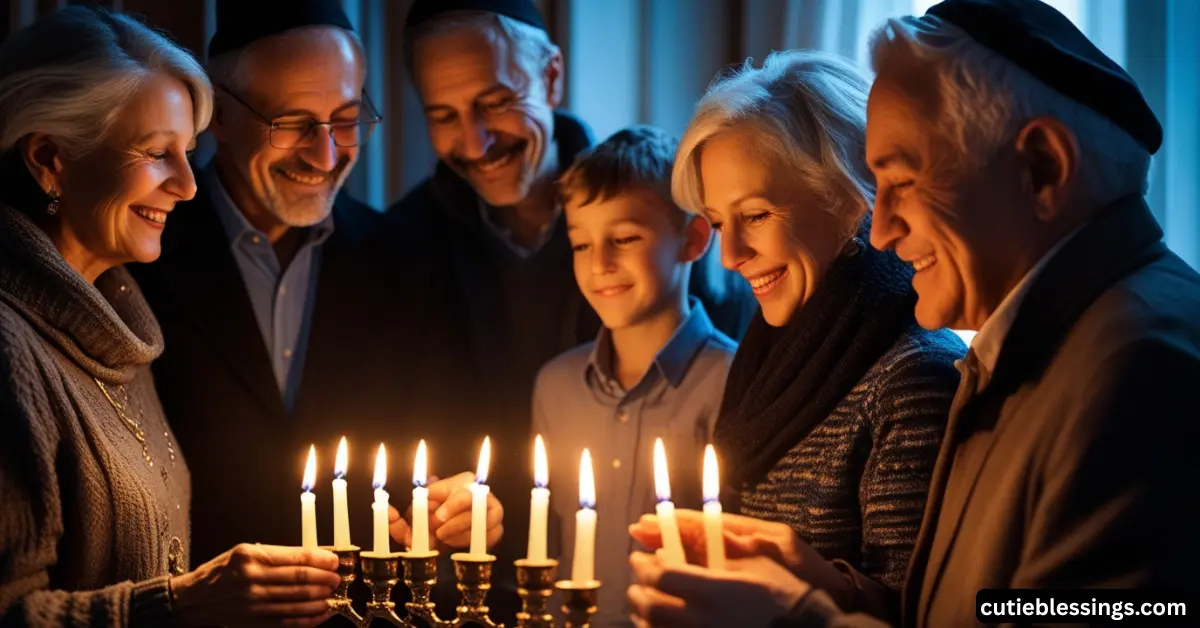
The third of the Hanukkah blessings is unique because it is a once-a-year event. Known as the Shehecheyanu, it is recited only on the very first night you light the candles. If you missed the first night of the holiday, you say it the first time you are able to light.
The Hebrew Recitation
The text is as follows: Baruch atah Adonai, Eloheinu Melech ha-olam, shehecheyanu v’kiy’manu v’higiyanu laz’man ha-zeh.
Understanding the Meaning
This translates to: Blessed are You, Lord our God, King of the universe, who has kept us alive, sustained us, and enabled us to reach this season.
Creating an Emotional Connection
Because the Shehecheyanu is about reaching a milestone, it is often the most emotional part of the ceremony. As a host, use this moment to express personal gratitude for the people in the room. Saying, “I am so grateful we all reached this season together,” right after the blessing creates an instant bond with your guests.
The Correct Order of Lighting
Precision in the ritual is what separates a casual observer from a master host. There is a specific right-to-left and left-to-right logic that often confuses people, but mastering it is essential for Hanukkah blessings to feel authentic.
How to Place the Candles
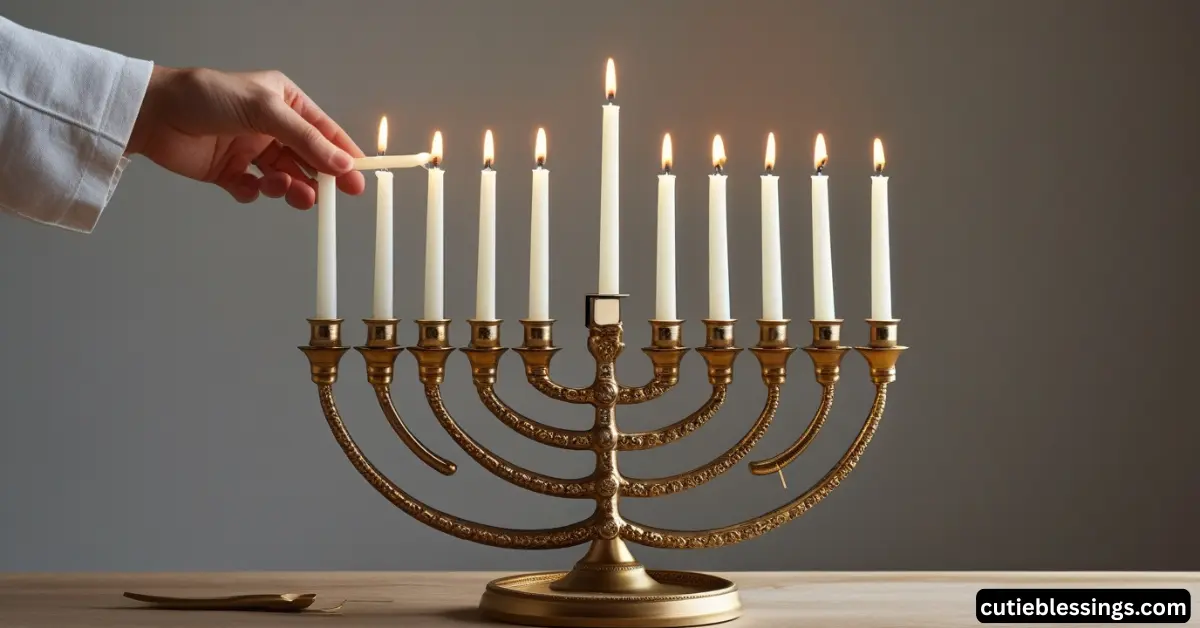
When you are setting up the menorah, you always place the candles from right to left. On the first night, one candle goes in the far right spot. On the second night, you add a second candle to its left, and so on.
How to Light the Candles
When it comes time to actually light them, you use the helper candle (the shamash) to light from left to right. This means you always light the newest candle first. Think of it as welcoming the new light before honoring the light of the previous nights.
Maintaining the Atmosphere After the Blessings
The mistake many hosts make is ending the ceremony the second the last candle is lit. To keep your guests engaged, you must manage the transition from the Hanukkah blessings to the social hour.
The Singing of Hanerot Halalu
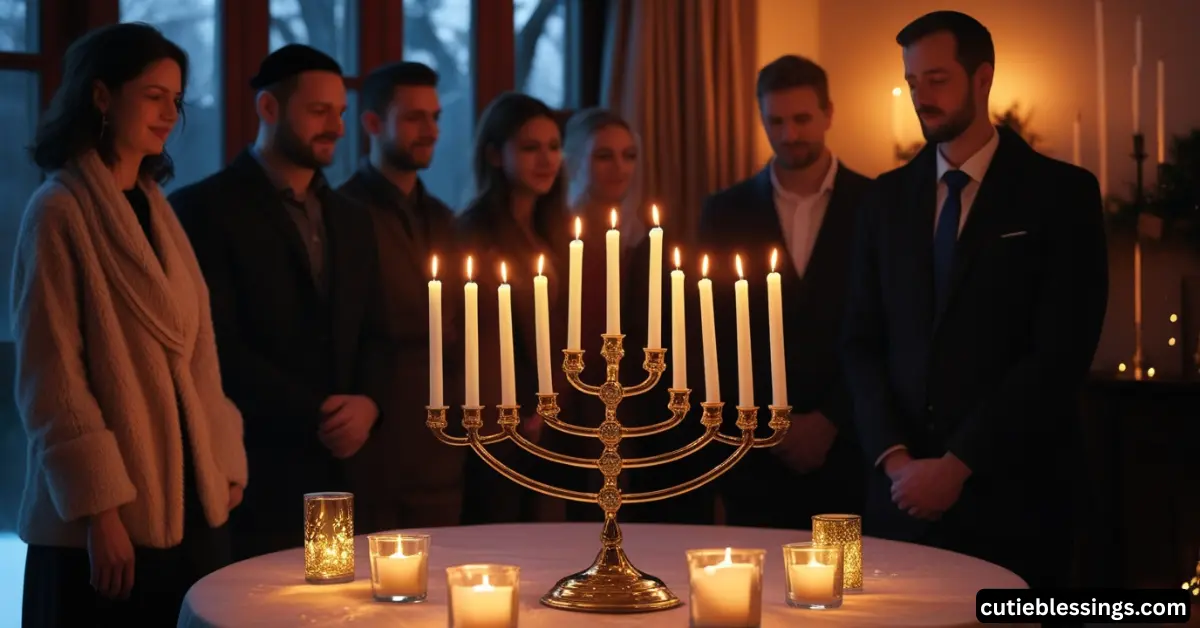
Traditional practice involves reciting a short paragraph called Hanerot Halalu immediately after lighting. This text explains that the candles are for viewing only and cannot be used for light or work. Explaining this concept to your guests adds an air of authenticity. It encourages everyone to stay by the menorah and watch the flames.
The Role of Music
Music is a universal language. If you can lead a chorus of Ma’oz Tzur (Rock of Ages), do so. If you are not a singer, having a curated playlist of acoustic holiday music playing softly in the background can fill the silence and keep the mood festive while the candles burn.
Engagement Strategies for a Diverse Guest List
In today’s world, you likely have guests with varying levels of familiarity with Hanukkah blessings. A great host ensures that no one feels like an outsider during the candle lighting.
The Power of Transliteration
Do not assume everyone can read the Hebrew alphabet. Provide cards that have the Hebrew words written in English letters. This allows every guest to lift their voice and participate in the Hanukkah blessings without feeling self-conscious.
Assigning Roles
If you have a close friend or a family member who loves to speak, ask them to read the English translation of the second blessing. If there are children present, they can help count the candles. Distributing the roles of the ceremony makes it a collective memory.
Troubleshooting Common Ceremony Hurdles
Even with the best planning, things can go wrong. A master host handles these with grace and a smile.
-
The Candle Won’t Stand Straight: Use a lighter to melt the bottom of the candle slightly before pressing it into the holder. The melted wax will act as a temporary glue.
-
A Guest Arrives Late: If you have already finished the Hanukkah blessings, do not restart the ceremony. Instead, welcome them warmly and offer to show them the menorah privately later.
-
The Match Keeps Going Out: Ensure you have turned off any nearby fans or air conditioning vents before you start. Drafts are the enemy of a peaceful lighting ceremony.
Deepening the Meaning: Beyond the Text
To truly stand out as a host, you can offer short insights between the Hanukkah blessings. This shows you have done your research and care about the depth of the holiday.
The Symbolism of the Shamash
The shamash is the candle that lights all others. You might mention that the shamash is a symbol of leadership—it gives light to others without losing any of its own brightness. This is a beautiful sentiment to share.
The Concept of Increasing Light
Explain why we add a candle every night instead of starting with eight and going down to one. The tradition follows the school of thought that in matters of holiness, we should always increase and never decrease. This is a powerful metaphor for personal growth.
The Connection Between Blessings and Food
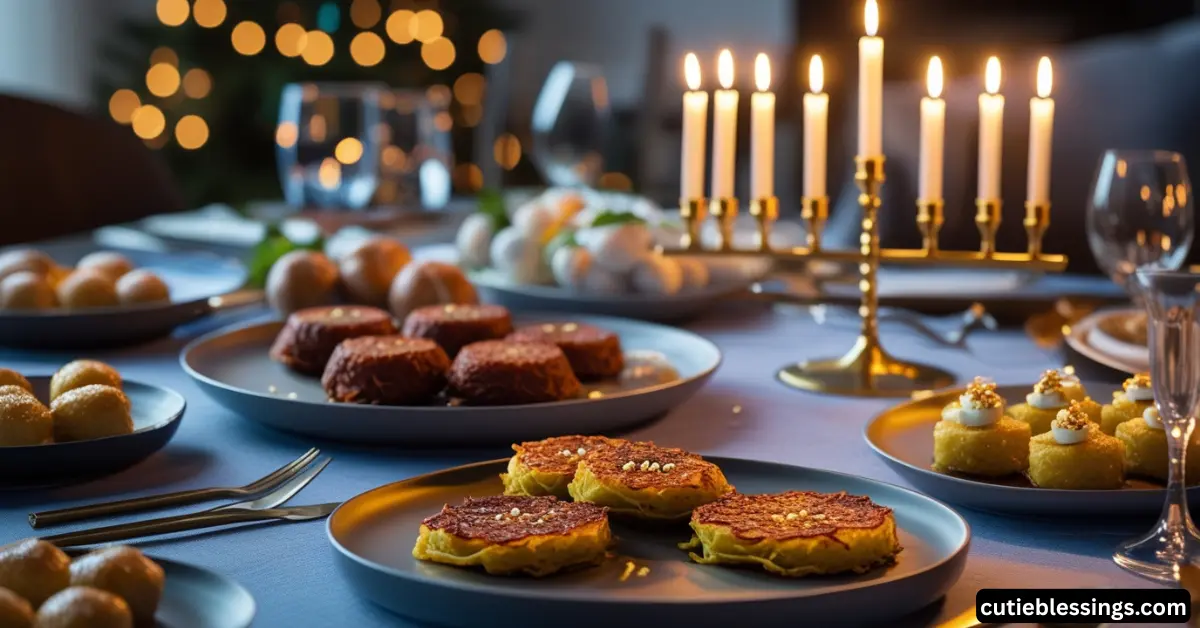
The transition from the spiritual to the physical happens at the dinner table. The oil mentioned in the Hanukkah blessings is the same reason we eat fried foods.
Curating the Menu
Serve latkes and sufganiyot (jelly donuts) as a direct continuation of the story. When you present the food, you can say, “Just as we blessed the miracle of the oil at the menorah, we celebrate it now at the table.” This creates a cohesive theme for the entire night.
Modern Twists
While tradition is important, adding a modern twist to your menu—like sweet potato latkes or gourmet dipping sauces—shows your creativity. It gives your guests something new to talk about while still honoring the core meaning.
Summary of the Ritual Order
To help you stay organized during the event, follow this quick-reference checklist:
| Action Step | Details |
| Preparation | Place candles in the menorah from Right to Left. |
| Beginning | Light the Shamash candle first. |
| Blessing 1 | Recite the blessing for kindling the lights. |
| Blessing 2 | Recite the blessing for the miracles. |
| Blessing 3 | (First Night Only) Recite the Shehecheyanu. |
| The Lighting | Use the Shamash to light candles from Left to Right. |
Conclusion
Leading the Hanukkah blessings is more than just a religious requirement; it is a gift you give to your guests. It is an invitation to slow down, look at the light, and appreciate the miracles—both ancient and modern—that surround us. By mastering the Hebrew text, understanding the deep meanings of the prayers, and following the proper lighting protocol, you establish yourself as a confident and thoughtful host.
Your guests will walk away from your home feeling more than just well-fed. They will leave with a sense of connection to a timeless tradition and a deeper understanding of the light that Hanukkah brings into the world. As the nights progress and the light in your menorah grows, may your own celebrations be filled with warmth, joy, and the company of those you love.
You can also read: The Aaronic Blessing in Hebrew for Power, Peace and Protection
FAQs:
What blessings do you say on Hanukkah?
You recite two blessings every night (for candles and miracles) and three on the first night.
What is the best wish for Hanukkah?
The most popular and thoughtful wish is "Hanukkah Sameach," which means "Happy Hanukkah."
What is the third blessing of Hanukkah?
The third blessing is the Shehecheyanu, which expresses gratitude for reaching a new season.
What is the blessing for the first day of Hanukkah?
On the first day, you recite the candle blessing, the miracle blessing, and the Shehecheyanu.
How many candles are lit on the final night?
On the eighth night, you light all nine candles including the helper candle.