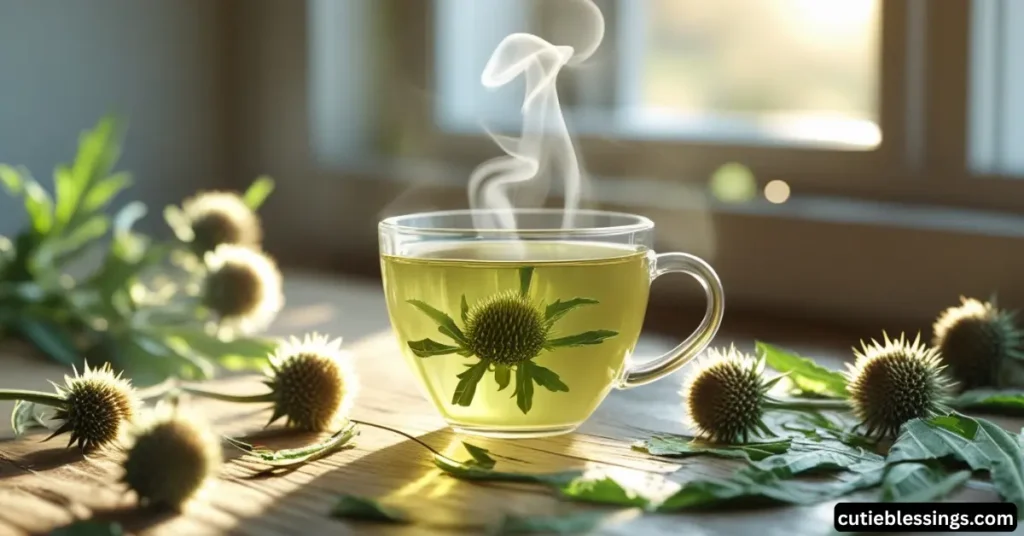
If you are curious about herbal teas that offer more than just flavor, blessed thistle tea (Cnicus benedictus) is a classic and time-tested choice. For centuries, this bitter, caffeine-free herbal infusion has been a cornerstone in traditional European and Mediterranean herbal practices, valued primarily for its functional effects rather than taste.
Unlike sweet or aromatic teas meant for casual sipping, blessed thistle tea serves a purpose. Its bitterness is intentional and plays a central role in stimulating digestion, supporting liver pathways, and encouraging slower, more mindful consumption. In many traditional systems of herbal medicine, bitter herbs were considered essential for maintaining internal balance—especially in diets rich in heavy or processed foods.
In modern wellness circles, blessed thistle tea has gained renewed attention as more people move away from stimulant-heavy beverages and quick-fix detox trends. Instead, there is growing interest in plant-based, low-intervention, ritual-oriented wellness practices that support the body’s natural processes. Blessed thistle tea fits seamlessly into this approach.
In this comprehensive guide, you’ll discover everything you need to know about blessed thistle tea: its origins, active plant compounds, extensive health benefits, preparation methods, safety considerations, and who may benefit most. By the end, you’ll have the knowledge to incorporate this traditional herbal tea into your daily wellness routine with confidence and clarity.
Table of Contents
What Is Blessed Thistle Tea?
Blessed thistle tea is an herbal infusion made from the dried leaves, stems, and flowers of the blessed thistle plant (Cnicus benedictus). Native to the Mediterranean region, the plant has a long history of use in European folk medicine, particularly as a digestive and liver-supportive herb.
Key Characteristics of Blessed Thistle Tea
- Naturally caffeine-free
- Sugar-free and calorie-free
- Strong, distinctive bitter flavor
- Traditionally consumed in small, moderate amounts
- Often used before or after meals
Unlike herbal teas designed for sweetness or relaxation, blessed thistle tea is best understood as a functional bitter tonic. Historically, herbalists prescribed bitter herbs to:
- Stimulate digestive secretions
- Encourage bile flow
- Support metabolic and liver pathways
- Promote mindful eating habits
The bitterness is not a flaw—it is the very mechanism through which the tea works.
A Brief History of Blessed Thistle Tea
Blessed thistle’s recorded use dates back to the Middle Ages, where it was widely cultivated in monastery gardens across Europe. Monks and herbalists regarded it as a valuable bitter herb for maintaining digestive health, especially during times of dietary excess or seasonal transitions.
In traditional European herbalism, blessed thistle was commonly used:
- Before meals to prepare digestion
- After heavy or rich meals to reduce discomfort
- During seasonal cleanses or dietary changes
- As part of tonic blends focused on internal balance
The plant’s name reflects its historical importance—“blessed” referring to its perceived protective and restorative properties. While modern science no longer frames herbs in mystical terms, many of the traditional observations align with current understandings of digestive physiology and bitter taste receptors.
Nutritional Profile and Active Plant Compounds
Blessed thistle tea does not provide significant macronutrients such as protein, fats, or carbohydrates. Its value lies in its bioactive plant compounds, which interact with the body in subtle but meaningful ways.
Bitter Compounds
The defining feature of blessed thistle is its bitterness. Bitter compounds activate specialized taste receptors not only in the mouth but also throughout the digestive tract. This activation sends signals that:
- Increase saliva production
- Stimulate gastric acid secretion
- Promote bile release from the liver and gallbladder
- Support digestive enzyme activity
This cascade of responses helps prepare the body to process food more efficiently.
Flavonoids and Polyphenols
Blessed thistle contains naturally occurring antioxidants, including flavonoids and polyphenols. These compounds:
- Help neutralize free radicals
- Reduce oxidative stress
- Support long-term cellular health
While not as antioxidant-dense as berries or green tea, blessed thistle contributes to overall antioxidant intake when consumed consistently.
Phytonutrients
Phytonutrients are plant-derived compounds that influence various physiological processes, including digestion, metabolism, and immune signaling. Blessed thistle tea provides these compounds in a low-calorie, stimulant-free form, making it suitable for daily wellness rituals.
How Blessed Thistle Tea Works in the Body
Blessed thistle tea primarily works through taste-driven physiological mechanisms, rather than pharmacological effects.
Key Functional Pathways
- Digestive Signaling
Bitter taste receptors stimulate bile flow and enzyme production, enhancing digestion. - Liver Pathway Support
Bitter herbs have traditionally been associated with supporting the liver’s role in metabolism and nutrient processing. - Mindful Consumption
The strong flavor naturally slows drinking, encouraging awareness of bodily signals such as hunger and fullness. - Metabolic Efficiency
Improved digestion supports better nutrient absorption, which influences energy levels and overall wellness.
Rather than forcing rapid changes, blessed thistle tea supports the body’s existing systems, aligning with holistic wellness philosophies.
Health Benefits of Blessed Thistle Tea
1. Supports Healthy Digestion
Digestive support remains the most well-known benefit of blessed thistle tea. Its bitter compounds stimulate digestive secretions that help break down food efficiently.
Potential benefits include:
- Reduced bloating and gas
- Improved post-meal comfort
- Enhanced digestion of fats and proteins
Best practices:
Drink 10–20 minutes before meals to prepare digestion, or after heavy meals to ease fullness.
2. Encourages Mindful Eating and Appetite Awareness
Because blessed thistle tea is not sweet or easy to gulp, it naturally encourages slower, more intentional sipping. This can:
- Improve awareness of hunger cues
- Reduce impulsive snacking
- Support healthier portion control
Over time, these habits contribute to sustainable wellness rather than short-term dietary control.
3. May Support Liver Health
The liver plays a central role in digestion, detoxification, and metabolism. While blessed thistle tea does not “cleanse” the liver, traditional use suggests it may support healthy liver pathways by promoting bile flow and metabolic efficiency.
This makes it especially useful during periods of dietary transition or reduced activity.
4. Promotes Digestive Comfort After Heavy Meals
After rich or indulgent meals, digestion can feel sluggish. Blessed thistle tea may help:
- Reduce sensations of heaviness
- Support smoother digestion
- Encourage a calm post-meal routine
This benefit explains its traditional use after feasts or celebrations.
5. Naturally Caffeine-Free Wellness Beverage
Blessed thistle tea offers warmth, ritual, and complexity without stimulating the nervous system. It is suitable for:
- Evening consumption
- Individuals sensitive to caffeine
- People reducing stimulant intake
Unlike coffee or green tea, it does not disrupt sleep patterns.
6. Supports Skin Health from Within
Digestive health, hydration, and nutrient absorption all influence skin appearance. By supporting internal balance, blessed thistle tea may:
- Promote clearer skin over time
- Reduce stress-related skin responses
- Support overall skin comfort
This effect is indirect but meaningful when combined with a balanced lifestyle.
7. Antioxidant Support for Cellular Protection
Oxidative stress contributes to aging and chronic disease. The antioxidants in blessed thistle help:
- Protect cells from damage
- Support long-term wellness
- Complement antioxidant-rich diets
While not a substitute for fruits and vegetables, it adds variety to antioxidant intake.
8. Supports Gut-Brain Connection
Digestive health is closely linked to mental well-being. By promoting smoother digestion and mindful routines, blessed thistle tea may indirectly support:
- Reduced digestive-related stress
- Improved mood after meals
- A calmer relationship with food
The ritual of drinking the tea itself can be grounding.
9. Potential Immune System Support
Efficient digestion improves nutrient absorption, which supports immune health. Traditional herbalists believed bitter herbs strengthened overall resilience by improving internal balance.
While not an immune treatment, blessed thistle tea can complement immune-supportive lifestyles.
10. May Support Healthy Blood Sugar Responses
Emerging research suggests bitter herbs may influence digestive hormones involved in blood sugar regulation. While evidence is still developing, blessed thistle tea may support:
- More stable post-meal blood sugar levels
- Reduced energy crashes
- Improved metabolic awareness
This benefit is most noticeable when combined with balanced meals.
11. Encourages Daily Wellness Rituals
Beyond physical effects, blessed thistle tea encourages intentional wellness practices. Its preparation and consumption naturally slow the pace of the day, making it ideal for:
- Midday resets
- Pre-meal rituals
- Reflective or meditative moments
Consistency transforms it from a beverage into a habit.
How to Prepare Blessed Thistle Tea for Maximum Benefit
Basic Brewing Method
- Add 1 teaspoon of dried blessed thistle to 1 cup of hot water
- Cover and steep for 10–15 minutes
- Strain and drink slowly
Beginners may prefer a shorter steep to reduce bitterness.
Reducing Bitterness Naturally
- Dilute with additional hot water
- Blend with mild herbs such as chamomile, mint, or lemon balm
- Avoid sweeteners to preserve functional benefits
Over time, many people grow to appreciate the bitterness.
How Often Should You Drink Blessed Thistle Tea?
- Typical use: 1–2 cups per day
- Best used consistently, not excessively
- Take breaks after several weeks of regular use
Listening to your body is essential.
Who Can Benefit Most from Blessed Thistle Tea?
Suitable For:
- Adults seeking digestive support
- Individuals exploring traditional herbal wellness
- People reducing caffeine intake
- Those practicing mindful eating
Not Suitable For:
- Pregnant individuals
- People allergic to plants in the daisy family
- Those with medical conditions without professional guidance
Safety and Precautions
- Avoid during pregnancy due to stimulating effects
- Consult a healthcare provider if on medication
- Use as a supportive beverage, not a medical treatment
Moderation is key.
Blessed Thistle Tea Compared to Other Herbal Teas
| Tea | Flavor | Primary Focus | Caffeine-Free |
|---|---|---|---|
| Chamomile | Sweet, floral | Relaxation | Yes |
| Peppermint | Cooling | Digestion | Yes |
| Green Tea | Mildly bitter | Energy, antioxidants | No |
| Blessed Thistle | Strong, bitter | Digestion, mindful wellness | Yes |
Blessed thistle stands out for its functional bitterness and digestive focus.
You can also read: The Healing Power of Blessed Herb: Uses and Benefits
Conclusion
Blessed thistle tea is a centuries-old herbal infusion valued for its digestive, liver-supportive, and mindfulness-enhancing properties. Its bitterness is intentional, activating digestive signaling and encouraging slower, more thoughtful consumption.
When used moderately and consistently, blessed thistle tea complements a balanced lifestyle rooted in intentional wellness. Rather than offering dramatic promises, it supports the body gently—through ritual, awareness, and time-tested tradition.
Incorporating blessed thistle tea into your daily routine is not about chasing quick results, but about cultivating sustainable habits that honor digestion, balance, and mindful living.
FAQs:
What is blessed thistle tea?
Blessed thistle tea is a caffeine-free herbal infusion made from the dried leaves, stems, and flowers of the Cnicus benedictus plant, traditionally used to support digestion and wellness.
What are the health benefits of blessed thistle tea?
It may support digestion, liver function, appetite awareness, antioxidant intake, skin health, and overall mindful wellness.
How do you prepare blessed thistle tea?
Add 1 teaspoon of dried herb to a cup of hot water, steep for 10–15 minutes, strain, and enjoy. Adjust steeping time to reduce bitterness.
Can you drink blessed thistle tea every day?
Yes, in moderation—typically 1–2 cups per day—with periodic breaks recommended.
Is blessed thistle tea safe for everyone?
It is generally safe for adults but should be avoided during pregnancy and by people allergic to the daisy family. Consult a healthcare professional if unsure.