Words have power. A simple blessing spoken with sincerity can comfort a hurting heart, strengthen relationships, and bring peace to everyday conversations. Many people wonder how to say God bless in Islam correctly because they want to show kindness while also respecting Islamic teachings and traditions.
Understanding Islamic blessings is more than learning a few Arabic phrases. It is about speaking with respect, good intentions, and awareness of meanings that carry deep spiritual value. Whether you are Muslim, learning about Islam, speaking to Muslim friends, or simply curious about Islamic expressions, knowing the right words can help you communicate warmly and respectfully.
In Islam, blessings are woven into daily life. Muslims often mention Allah in greetings, prayers, gratitude, celebrations, and even ordinary conversations. These expressions are not only cultural habits. They reflect faith, humility, and remembrance of God in every moment of life.
This guide will help you understand how to say God bless in Islam the right way, including common phrases, meanings, pronunciation tips, real-life examples, and practical guidance for respectful use.
Table of Contents
Why Blessings Matter in Islam
Blessings hold a special place in Islamic life. Muslims believe every good thing comes from Allah, including health, family, success, safety, and peace. Because of this belief, words of blessing are used often and sincerely.
When Muslims say blessings for others, they are making a prayer for that person. These phrases are not empty expressions. They carry hope, kindness, and spiritual meaning.
For example, if someone gets married, receives good news, travels safely, or achieves success, Muslims often respond with words asking Allah to bless them further. This creates a culture of gratitude and compassion.
Islam also teaches believers to speak good words. Kind speech is considered an act of worship. Offering blessings is one way Muslims spread positivity and goodwill in daily life.
What Does “God Bless” Mean in Islam?
The phrase “God bless” generally means asking God to grant goodness, protection, mercy, or success to someone. In Islam, this idea exists in many beautiful forms.
Since Muslims use Arabic religious expressions, there is no single exact translation that fits every situation. Instead, different phrases are used depending on context.
Some Islamic expressions focus on blessings, while others ask for mercy, protection, guidance, or peace. Understanding when to use each phrase is important.
The most common Islamic equivalent of “God bless you” is:
Barak Allahu Feek
This phrase means “May Allah bless you.”
For females, people may say:
- Barak Allahu Feeki
For two people:
- Barak Allahu Feekuma
For a group:
- Barak Allahu Feekum
This phrase is widely used among Muslims and is considered warm, respectful, and meaningful.
How to Pronounce Islamic Blessings Correctly
Many people feel nervous about pronunciation, especially if they are not familiar with Arabic. The good news is that sincerity matters more than perfection.
Here is a simple pronunciation guide:
Barak Allahu Feek
Pronounced:
Bah-rahk Ah-lah-hoo Feek
Meaning:
May Allah bless you.
You do not need a perfect Arabic accent to say it respectfully. Speaking slowly and clearly is enough.
Common Islamic Phrases That Mean “God Bless”
There are several Islamic phrases connected to blessings. Each one fits different situations.
Allahumma Barik
Meaning:
“O Allah, bless.”
This phrase is commonly used when admiring something beautiful or good. Muslims often say it to avoid envy or jealousy.
For example:
- Someone shows a new house
- A child achieves success
- A person shares happy news
Instead of excessive praise alone, Muslims may say:
“Allahumma Barik.”
This asks Allah to place blessings on the person or thing.
Barak Allahu Lak
Meaning:
“May Allah bless you.”
This version is often used for celebrations, marriages, or achievements.
Example:
“Barak Allahu Lak on your new job.”
Fi Amanillah
Meaning:
“In the protection of Allah.”
This phrase is often said when someone is leaving or traveling.
Example:
“Travel safely. Fi Amanillah.”
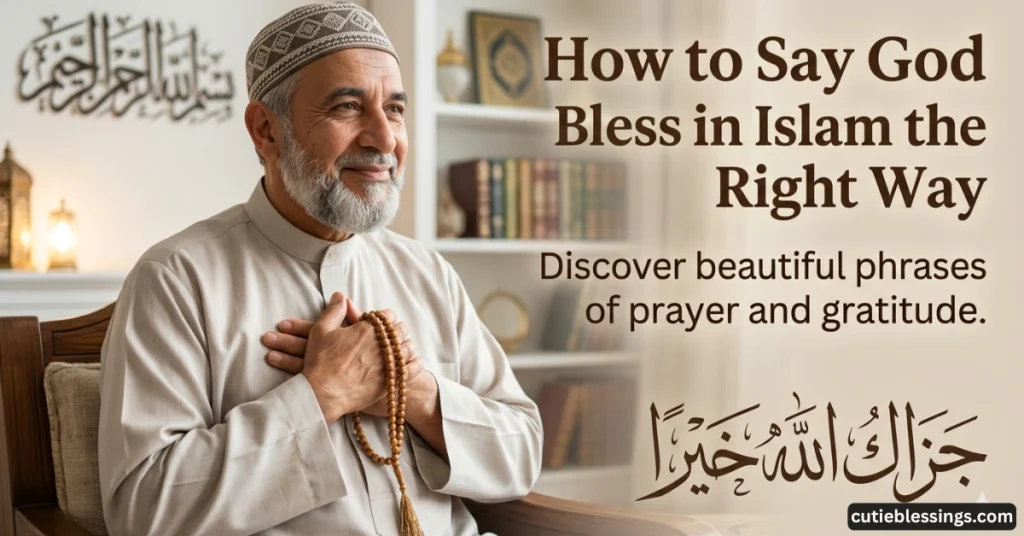
JazakAllahu Khair
Meaning:
“May Allah reward you with goodness.”
While not exactly “God bless,” it is commonly used to thank someone in a meaningful Islamic way.
Instead of saying only “thank you,” many Muslims say:
“JazakAllahu Khair.”
When Muslims Say “God Bless You” After Sneezing
Islam has a beautiful etiquette related to sneezing.
When a Muslim sneezes, they usually say:
Alhamdulillah
Meaning:
“All praise belongs to Allah.”
The listener then responds:
Yarhamuk Allah
Meaning:
“May Allah have mercy on you.”
The sneezer replies:
Yahdeekum Allah wa yuslihu balakum
Meaning:
“May Allah guide you and set your affairs right.”
This tradition teaches gratitude, kindness, and prayer for one another in everyday moments.
The Difference Between Cultural and Religious Expressions
One important thing to understand is that not every Arabic phrase is automatically religious, and not every Muslim speaks Arabic.
Islamic blessings are rooted in faith, but cultural habits differ across countries. Muslims from different backgrounds may use slightly different expressions.
For example:
- Arab Muslims may use Arabic daily
- Turkish Muslims may combine Turkish and Arabic phrases
- South Asian Muslims may use Urdu expressions alongside Arabic
- Indonesian Muslims may use local language blessings
Even with these differences, the core meanings remain connected to faith and kindness.
How to Use Islamic Blessings Respectfully
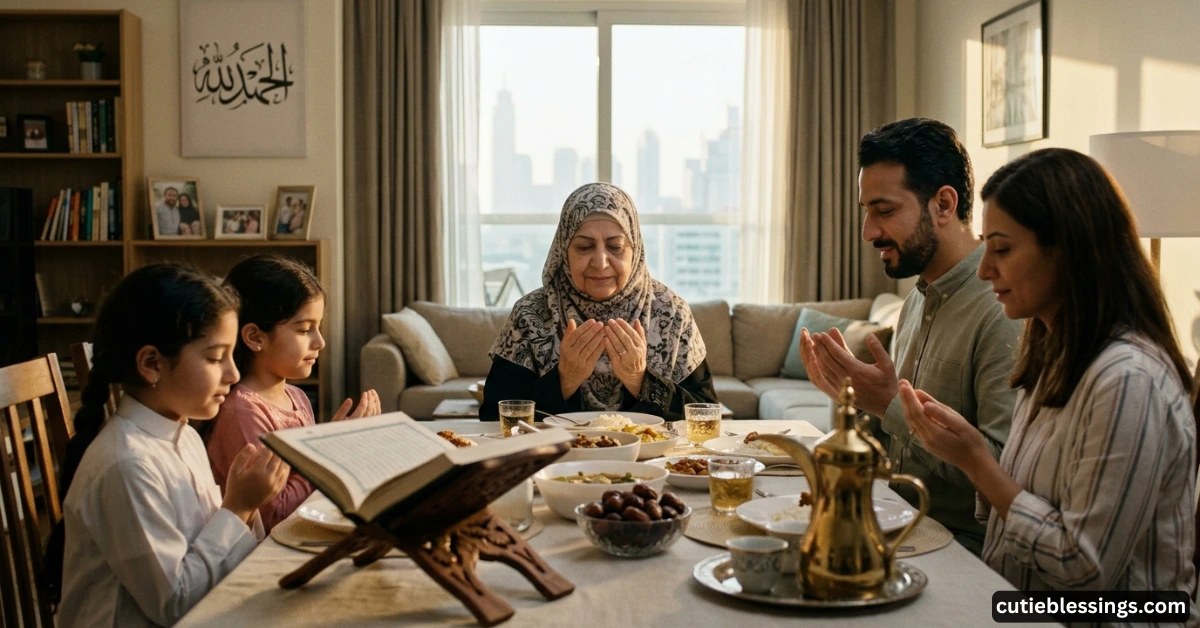
If you are learning how to say God bless in Islam, respect and sincerity are more important than sounding perfect.
Understand the Meaning
Before using any phrase, know what it means. This prevents misuse and helps conversations feel genuine.
Use the Right Context
Some phrases fit casual moments, while others are more formal or spiritual.
For example:
- “Barak Allahu Feek” works well for appreciation
- “Yarhamuk Allah” is specific to sneezing
- “Allahumma Barik” is often used when admiring something
Speak Naturally
You do not need to overuse Arabic expressions. Using one sincere phrase naturally is enough.
Avoid Mockery or Imitation
Religious phrases should never be used jokingly or disrespectfully. Even if intentions are lighthearted, it is important to treat faith expressions with care.
Real-Life Situations Where You Can Say Islamic Blessings
Many people learn phrases but struggle with practical usage. Here are real-life examples to make things easier.
Congratulating Someone
If someone graduates, gets married, buys a house, or receives good news:
- “Barak Allahu Feek”
- “Allahumma Barik”
- “May Allah bless your success.”
Thanking Someone
Instead of only saying thank you:
- “JazakAllahu Khair”
This expresses gratitude while making a prayer for the person.
Seeing Something Beautiful
If someone shares a picture of their child, home, or achievement:
- “Allahumma Barik”
- “MashaAllah, Allahumma Barik”
Wishing Someone Safety
When someone travels:
- “Fi Amanillah”
- “May Allah protect you.”
Comforting Someone
During hardship or sadness:
- “May Allah ease your difficulties.”
- “May Allah bless you with patience and peace.”
Understanding “MashaAllah” and Blessings
Many people confuse “MashaAllah” with “God bless,” but they are not exactly the same.
What Does MashaAllah Mean?
“MashaAllah” means:
“What Allah has willed.”
Muslims say this when admiring something good. It expresses appreciation while recognizing that blessings come from Allah.
Example:
“MashaAllah, your family is beautiful.”
This phrase helps encourage humility and gratitude.
Why Muslims Say It Often
In Islamic teachings, believers are encouraged to avoid envy. Saying “MashaAllah” when admiring something helps keep the heart sincere and respectful.
Sometimes people combine phrases:
“MashaAllah, Allahumma Barik.”
This means:
“What Allah has willed. O Allah, bless it.”
Can Non-Muslims Use Islamic Blessings?
Yes, many non-Muslims use Islamic phrases respectfully when speaking with Muslim friends, family, coworkers, or communities.
What matters most is sincerity and respect.
Using phrases thoughtfully can help build understanding and connection. However, it is always good to learn the meaning first rather than copying words without understanding them.
Many Muslims appreciate genuine efforts to learn respectful expressions.
Common Mistakes People Make
Learning how to say God bless in Islam becomes easier when you understand common mistakes to avoid.
Using the Wrong Phrase in the Wrong Situation
Each expression has a purpose. For example:
- “Yarhamuk Allah” is mainly for sneezing
- “JazakAllahu Khair” is for gratitude
- “Allahumma Barik” is for blessings and admiration
Treating Phrases Like Trends
Islamic phrases carry spiritual significance. They should not be used casually for entertainment or social media trends without understanding.
Overcomplicating Pronunciation
Many learners become anxious about perfect Arabic pronunciation. While correct pronunciation is valuable, sincerity matters most for beginners.
Assuming All Muslims Use the Same Expressions
Islam is practiced worldwide across many cultures. You may hear variations in pronunciation or usage depending on language and region.
The Spiritual Meaning Behind Blessings in Islam
Islamic blessings are deeply connected to the belief that Allah controls all goodness and protection.
When Muslims say blessings, they acknowledge:
- Human beings depend on Allah
- Success comes from Allah
- Protection comes from Allah
- Mercy comes from Allah
This spiritual awareness keeps believers humble and grateful.
Blessings also strengthen relationships. Saying good words creates kindness between people and encourages positive interactions.
Islam teaches that words matter greatly. A good word can become a source of reward and healing.
You can also read: 145+ Powerful Muslim God Bless You Messages and Duas in English
Beautiful Islamic Blessings You Can Use Daily
Here are some meaningful blessings that fit everyday life.
For General Blessings
- Barak Allahu Feek
- May Allah bless you
- Allahumma Barik
For Gratitude
- JazakAllahu Khair
- May Allah reward you
For Protection
- Fi Amanillah
- May Allah keep you safe
For Comfort
- May Allah ease your pain
- May Allah grant you patience
For Success
- May Allah bless your efforts
- May Allah grant you success and peace
How Parents Teach Children Islamic Blessings
In many Muslim homes, children learn blessings from an early age.
Parents often teach children to:
- Say “Bismillah” before eating
- Say “Alhamdulillah” after eating
- Respond kindly to sneezing
- Pray for others
- Use respectful greetings
This daily practice helps children grow with gratitude, faith, and kindness.
Blessings become part of ordinary life rather than only formal religious moments.
Islamic Greetings and Blessings
One of the most famous Islamic greetings is:
Assalamu Alaikum
Meaning:
“Peace be upon you.”
The response is:
Wa Alaikum Assalam
Meaning:
“And peace be upon you too.”
This greeting itself is a blessing because it wishes peace upon another person.
Many Muslims prefer this greeting because it spreads goodwill and brotherhood.
Why Islamic Blessings Feel So Meaningful
People often notice that Islamic phrases sound warm and sincere. This is because they usually include direct prayers for others.
Instead of only saying:
- Good luck
- Congrats
- Thanks
Islamic expressions often include remembrance of Allah and wishes for genuine goodness.
This spiritual depth makes the words emotionally powerful.
For example:
“May Allah bless your family and protect your home.”
This feels personal, caring, and heartfelt.
The Importance of Intention in Islam
In Islam, intention matters greatly.
A blessing spoken sincerely carries more value than words said without thought. Even simple phrases become meaningful when spoken with kindness.
This is why Muslims focus not only on wording but also on sincerity of heart.
Someone may pronounce Arabic perfectly but speak carelessly. Another person may struggle with pronunciation but speak with genuine respect and kindness. In Islamic teachings, sincerity holds great importance.
Practical Tips for Learning Islamic Expressions
If you want to become more comfortable using Islamic blessings, these simple tips can help.
Start With One Phrase
Begin with a simple expression like:
“Barak Allahu Feek.”
Use it naturally in appropriate situations.
Learn Meanings Slowly
Focus on understanding meanings instead of memorizing many phrases at once.
Listen to Native Speakers
Hearing Muslims use expressions in real conversations helps pronunciation and confidence.
Practice Respectfully
Use phrases sincerely and avoid forcing them unnaturally into conversations.
Ask Questions Politely
Most Muslims appreciate respectful curiosity about Islamic language and traditions.
Frequently Confused Islamic Terms
Many beginners mix up common expressions. Here is a simple clarification.
MashaAllah
Used when admiring something.
InshaAllah
Means:
“If Allah wills.”
Used for future plans.
Example:
“I will see you tomorrow, InshaAllah.”
Alhamdulillah
Means:
“All praise belongs to Allah.”
Used for gratitude.
SubhanAllah
Means:
“Glory be to Allah.”
Used when amazed or reflecting on something remarkable.
BarakAllahu Feek
Means:
“May Allah bless you.”
Used as a blessing or appreciation.
You can also read: Powerful Marriage Muslim Quotes for Love & Blessing
How Islamic Blessings Strengthen Relationships
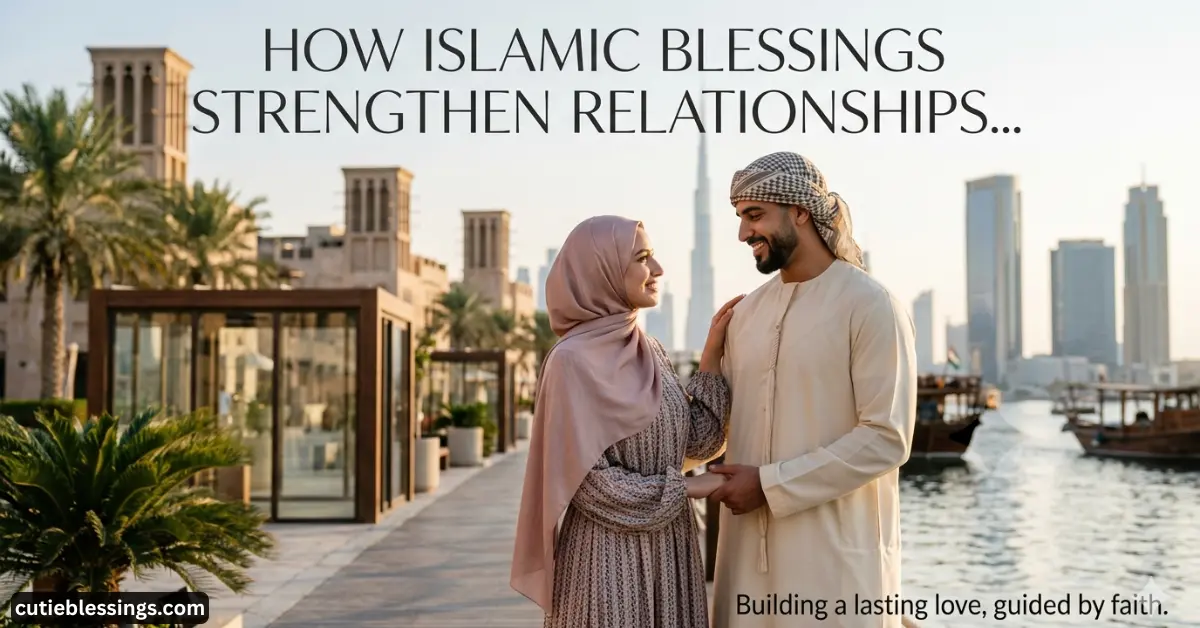
Words shape human relationships. Islamic blessings encourage compassion, gratitude, and care.
When people pray for one another, relationships become warmer and more meaningful.
For example:
- Thanking someone with a prayer feels deeper
- Blessing someone during hardship offers comfort
- Wishing peace upon others builds goodwill
This is one reason Islamic greetings and blessings remain central to Muslim culture worldwide.
Using Islamic Blessings Online and in Messages
Today, many Muslims use blessings in text messages, emails, and social media conversations.
Examples include:
- “JazakAllahu Khair for your help.”
- “Allahumma Barik, beautiful family.”
- “May Allah bless your journey.”
- “Fi Amanillah.”
These phrases help keep communication respectful and spiritually mindful even in digital spaces.
Why Learning These Phrases Matters
Learning how to say God bless in Islam correctly shows respect for language, faith, and people.
It can help you:
- Build stronger relationships
- Understand Muslim culture better
- Speak more thoughtfully
- Avoid misunderstandings
- Express kindness meaningfully
Even learning a few phrases can create positive interactions and deeper understanding.
Conclusion
Learning how to say God bless in Islam the right way is not only about memorizing Arabic words. It is about understanding the spirit behind them. Islamic blessings reflect kindness, gratitude, humility, and sincere prayer for others.
Phrases like “Barak Allahu Feek,” “Allahumma Barik,” and “JazakAllahu Khair” carry deep meaning because they connect everyday speech with faith and compassion. Whether you are Muslim or simply interested in respectful communication, these expressions can help you speak with greater warmth and sincerity.
The beauty of Islamic blessings lies in their intention. A sincere prayer for someone’s happiness, protection, or success can leave a lasting impact. Sometimes a few thoughtful words can bring comfort, strengthen bonds, and remind people that kindness still matters.
As you continue learning these expressions, focus less on perfection and more on sincerity. Respectful words spoken from the heart are often the most meaningful of all.
FAQs:
How do you wish someone a blessing in Islam?
Muslims often use phrases like “BarakAllahu Feek,” which means “May Allah bless you.” Another common expression is “Allahumma Barik,” meaning “O Allah, bless.” These phrases are respectful, meaningful, and commonly used in daily conversations.
What do Muslims say instead of “God bless”?
Instead of saying “God bless,” Muslims may say “BarakAllahu Feek,” “May Allah bless you,” or “Allahumma Barik.” The exact phrase depends on the situation and the relationship between speakers. These expressions carry both spiritual and emotional meaning in Islam.
Is it Alhamdulillah or Allahumma Barik?
“Alhamdulillah” means “All praise belongs to Allah” and is usually said to express gratitude. “Allahumma Barik” means “O Allah, bless” and is often used when admiring something good or asking for blessings. Both phrases are important in Islam but used in different situations.
Can Muslims say “May Allah bless you”?
Yes, Muslims commonly say “May Allah bless you” in both English and Arabic. It is a kind and respectful way to pray for someone’s happiness, protection, or success. Many Muslims use this phrase in conversations, messages, and special occasions.
What does BarakAllahu Feek mean?
“BarakAllahu Feek” means “May Allah bless you.” It is a popular Islamic expression used to thank someone, congratulate them, or make a sincere prayer for goodness in their life. The phrase reflects kindness, respect, and gratitude.