
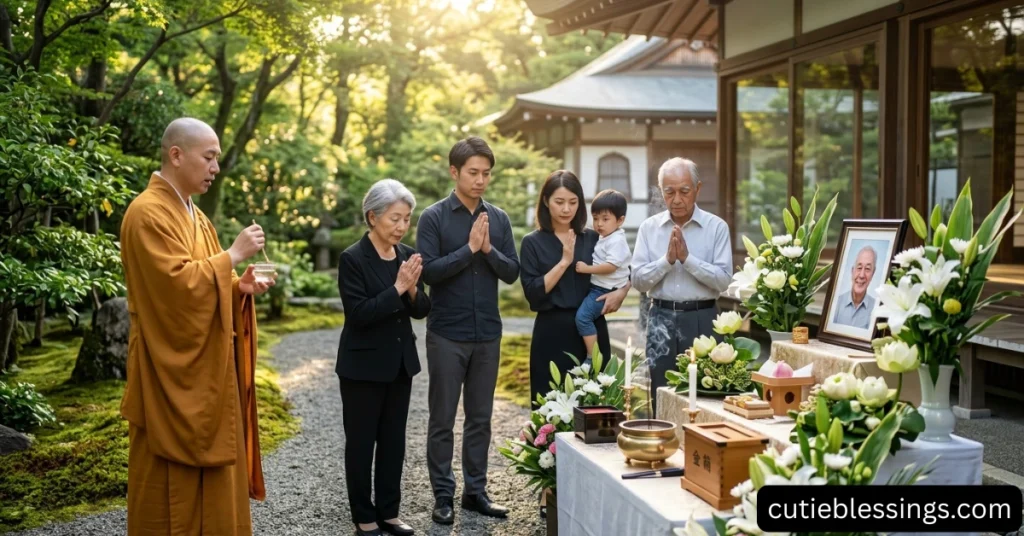
Death is a natural part of life, yet it remains one of the most emotional experiences people face. Across different cultures and religions, prayers, blessings, and rituals help families honor loved ones who have passed away. In Buddhism, blessings for the dead are deeply meaningful because they focus on compassion, peace, merit, and the continuation of the spiritual journey.
Many people search for the best Buddhist blessing for the dead when preparing for a funeral, memorial service, or private remembrance. These blessings offer comfort to the living while expressing goodwill for the deceased. They remind us that death is not necessarily an end but a transition in the cycle of existence.
This guide explores the best Buddhist blessings for the dead, their meanings, importance, and how they are used in Buddhist traditions around the world.
Table of Contents
What Is a Buddhist Blessing for the Dead?
A Buddhist blessing for the dead is a prayer, chant, or expression of loving-kindness offered on behalf of someone who has passed away. The purpose is not simply to mourn but to generate positive merit and compassionate intentions that may benefit the deceased in their next stage of existence.
In Buddhism, blessings often include wishes for:
- Peace and freedom from suffering
- A favorable rebirth
- Spiritual progress
- Release from attachment
- Compassion and wisdom
These blessings are commonly recited during funerals, memorial ceremonies, anniversaries of death, and personal prayer sessions.
Understanding the Buddhist View of Death
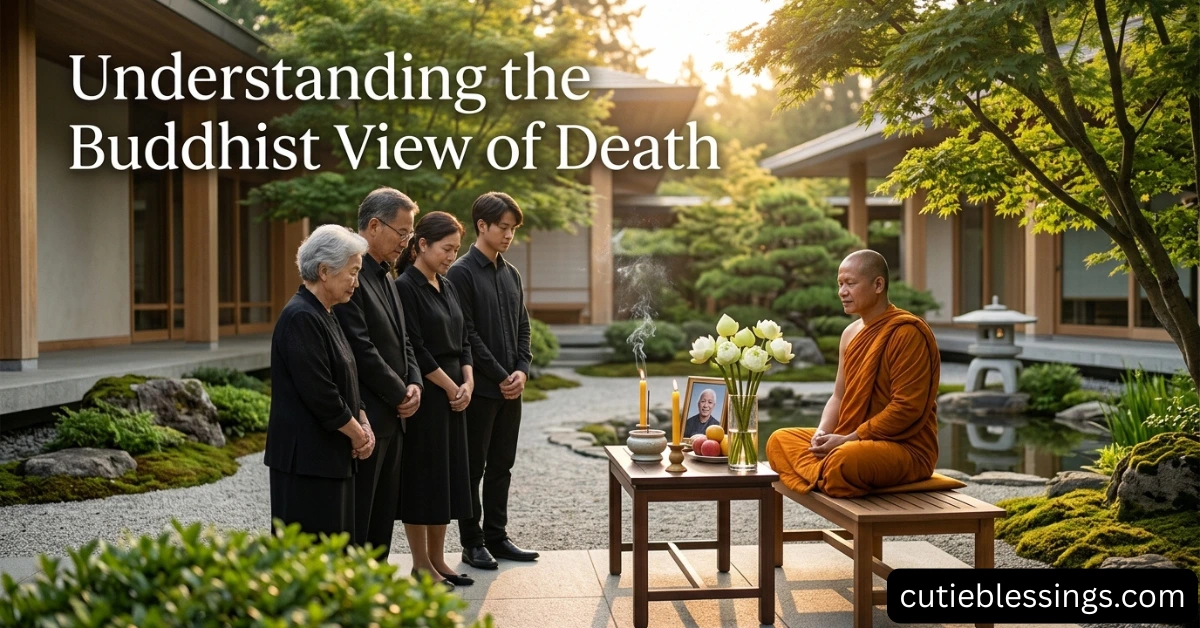
To understand Buddhist blessings, it helps to know how Buddhism views death.
Buddhists generally believe that life is part of a continuous cycle of birth, death, and rebirth. This cycle is influenced by karma, which refers to the actions and intentions accumulated throughout life.
Death is seen as a transition rather than a final ending. Therefore, prayers for the deceased often focus on supporting a peaceful journey and encouraging positive conditions for the next rebirth.
Instead of emphasizing fear, Buddhist teachings encourage acceptance, mindfulness, and compassion. This perspective allows blessings for the dead to be hopeful rather than despairing.
The Best Buddhist Blessing for the Dead
One of the most widely used Buddhist blessings for the deceased is:
“May you be free from suffering. May you find peace. May your journey be guided by wisdom and compassion. May you attain a fortunate rebirth and ultimate liberation.”
This blessing reflects key Buddhist values:
- Freedom from suffering
- Inner peace
- Wisdom
- Compassion
- Positive rebirth
- Spiritual awakening
Because it captures the essence of Buddhist teachings, many consider it one of the most meaningful blessings for someone who has passed away.
Meaning of This Buddhist Blessing
May You Be Free From Suffering
The first part addresses one of Buddhism’s central teachings. The Buddha taught that suffering exists in life, but freedom from suffering is possible.
By offering this wish, loved ones express hope that the deceased experiences relief from pain, fear, and attachment.
May You Find Peace
Peace is a recurring theme in Buddhist prayers.
This line asks that the departed soul or consciousness experience calmness and serenity. It reflects a desire for a smooth transition beyond death.
May Your Journey Be Guided by Wisdom and Compassion
Wisdom and compassion are among the highest Buddhist virtues.
This blessing acknowledges that the path after death should be illuminated by understanding and kindness, helping the deceased move forward positively.
May You Attain a Fortunate Rebirth
Many Buddhist traditions teach rebirth.
A favorable rebirth is considered beneficial because it provides opportunities for spiritual growth and continued progress toward enlightenment.
May You Attain Ultimate Liberation
Liberation refers to freedom from the cycle of birth and death.
This final wish represents the highest spiritual aspiration in Buddhism.
Traditional Buddhist Funeral Blessings
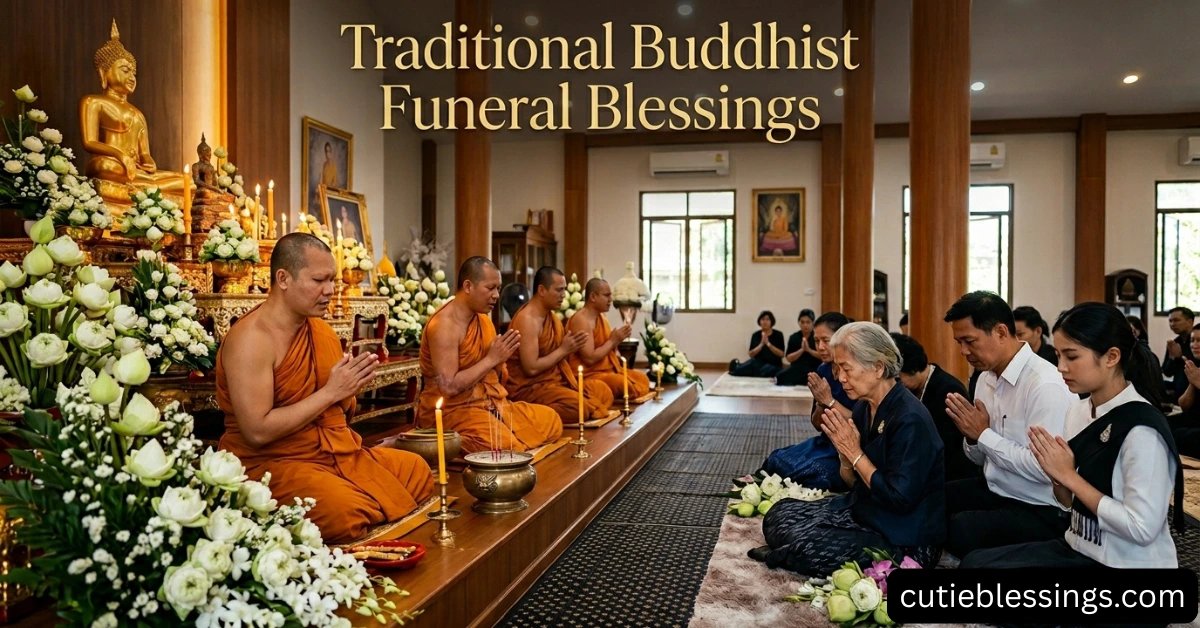
Different Buddhist schools use various prayers and chants during funeral ceremonies.
Blessing of Loving-Kindness
A common blessing states:
“May all beings be happy. May all beings be peaceful. May all beings be free from suffering.”
Though addressed to all living beings, it is often included in memorial services for the deceased.
Blessing of Compassion
This prayer focuses on extending compassion toward the departed and their grieving family members.
It encourages emotional healing and spiritual support.
Blessing of Merit Transfer
Many Buddhist traditions practice merit transfer.
After performing good deeds, practitioners dedicate the resulting merit to the deceased by saying:
“May the merit generated through these actions benefit the departed and support their journey toward peace.”
This blessing is particularly common in Theravada Buddhism.
Why Buddhist Blessings Matter
Buddhist blessings serve several important purposes.
Providing Comfort
The death of a loved one often brings sadness and uncertainty.
Blessings provide emotional support by reminding mourners that compassion continues beyond death.
Honoring the Deceased
Reciting blessings is a respectful way to remember and celebrate someone’s life.
It acknowledges their presence, contributions, and spiritual journey.
Generating Positive Intentions
Buddhism places great importance on intention.
Blessings create a mental atmosphere of kindness, gratitude, and goodwill.
Encouraging Healing
Prayer and reflection can help families process grief while maintaining a sense of connection with the departed.
Buddhist Chant for the Dead
One of the most respected Buddhist chants is:
“Gate Gate Paragate Parasamgate Bodhi Svaha.”
This ancient mantra comes from the Heart Sutra.
Its meaning is often interpreted as:
“Gone, gone, gone beyond, completely gone beyond, awakening, so be it.”
Many Buddhists find comfort in this chant because it symbolizes transcendence and spiritual awakening.
It is frequently recited during memorial ceremonies and funerals.
The Role of Merit in Buddhist Blessings
Merit is an important concept in Buddhism.
Merit is created through positive actions such as:
- Charity
- Generosity
- Meditation
- Kindness
- Ethical living
Families often perform good deeds in memory of the deceased and dedicate the merit to them.
Examples include:
- Donating to charity
- Feeding monks
- Supporting temples
- Helping those in need
- Participating in meditation retreats
The intention behind these actions is to benefit the deceased while promoting compassion in the world.
Buddhist Blessings in Different Traditions
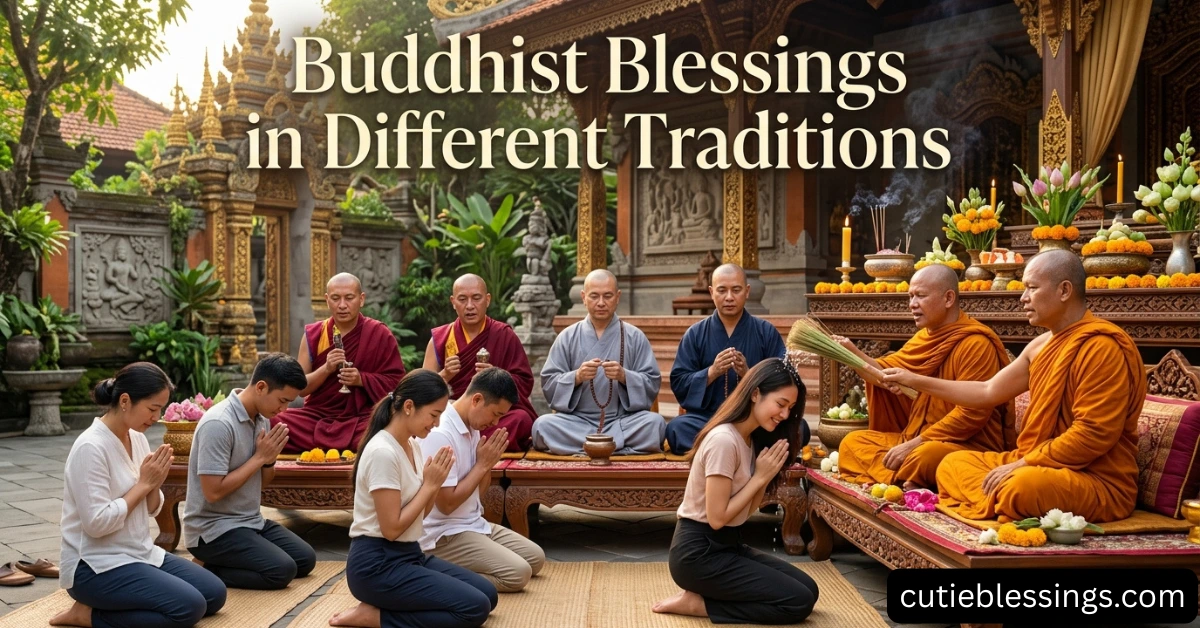
Theravada Buddhism
Theravada Buddhists commonly recite protective discourses known as parittas.
These chants are believed to create positive conditions and blessings for both the living and the deceased.
Mahayana Buddhism
Mahayana traditions often emphasize compassion and prayers for all beings.
Memorial ceremonies may include sutra recitations and dedications of merit.
Tibetan Buddhism
Tibetan Buddhism contains extensive practices related to death and rebirth.
Special prayers may be recited to guide consciousness through transitional states after death.
Zen Buddhism
Zen traditions often focus on mindfulness, simplicity, and acceptance.
Funeral blessings encourage awareness of life’s impermanence while honoring the deceased with dignity.
Short Buddhist Blessings for the Dead
Sometimes a simple blessing carries profound meaning.
Blessing 1
May you rest in peace and be free from suffering.
Blessing 2
May wisdom guide your path and compassion surround your journey.
Blessing 3
May your spirit find peace and your next life be blessed.
Blessing 4
May all good deeds dedicated to you bring comfort and happiness.
Blessing 5
May you move forward with serenity, wisdom, and light.
Buddhist Blessings for Funeral Services
Funeral services often include blessings spoken by monks, family members, or spiritual leaders.
A meaningful example is:
“As this life comes to an end, may peace arise. May all attachments be released. May wisdom illuminate the path ahead. May compassion accompany every step of the journey.”
This blessing reflects core Buddhist teachings while offering comfort to those gathered.
Buddhist Blessings for Memorial Services
Memorial services provide opportunities to remember loved ones long after the funeral.
A memorial blessing may say:
“Today we remember with gratitude. May the goodness created through this gathering support the departed and bring peace to all who mourn.”
This type of blessing emphasizes remembrance and collective healing.
How to Use a Buddhist Blessing for the Dead
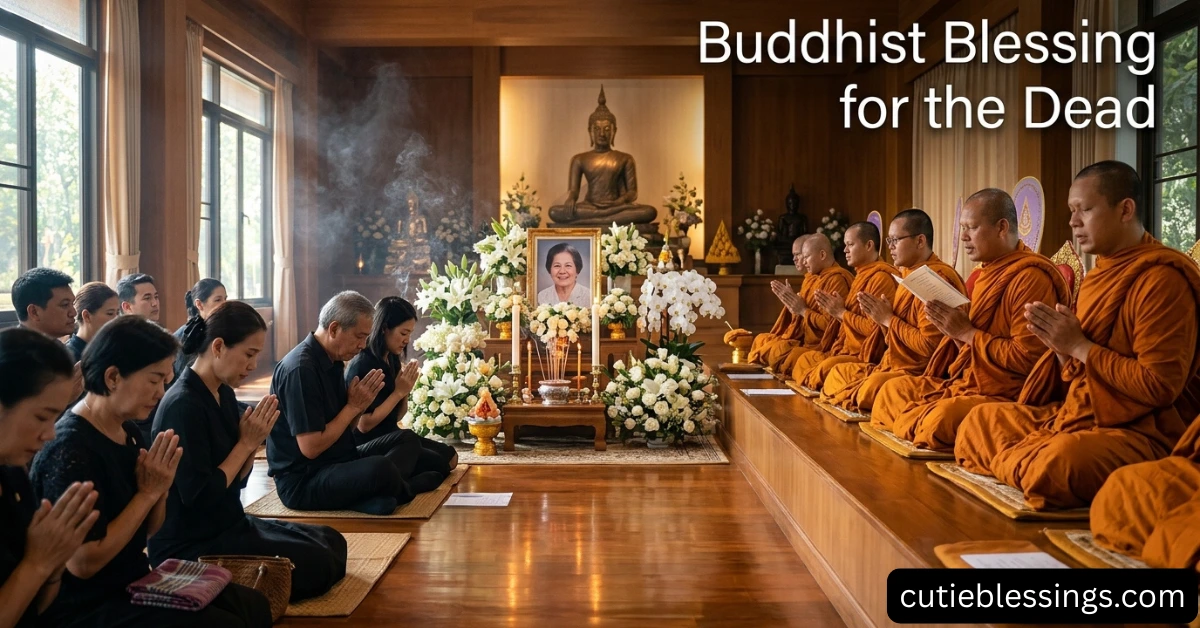
There are many ways to incorporate Buddhist blessings into remembrance practices.
During a Funeral
Read a blessing during the ceremony.
At a Memorial Gathering
Share blessings before stories and reflections about the deceased.
During Meditation
Recite blessings quietly while practicing mindfulness.
On Death Anniversaries
Many families honor loved ones each year with prayers and offerings.
In Personal Reflection
A simple blessing can be spoken privately whenever remembering someone who has passed away.
The Connection Between Compassion and Grief
Buddhism teaches that compassion is one of the most powerful responses to suffering.
When grieving, blessings help transform sorrow into compassion.
Rather than focusing solely on loss, they encourage:
- Gratitude
- Kindness
- Acceptance
- Loving remembrance
This shift can make the grieving process more meaningful and healing.
Lessons We Can Learn From Buddhist Blessings
Buddhist blessings for the dead offer valuable life lessons.
Everything Is Impermanent
Life constantly changes.
Recognizing impermanence helps people appreciate the present moment.
Compassion Matters
Kindness remains important even after death.
Blessings remind us to care for others throughout our lives.
Positive Actions Have Value
Good deeds create beneficial effects for ourselves and others.
Peace Is Possible
Even during grief, inner peace can be cultivated through mindfulness and spiritual reflection.
Creating Your Own Buddhist-Inspired Blessing

You can also create a personal blessing inspired by Buddhist principles.
Consider including wishes for:
- Peace
- Compassion
- Wisdom
- Freedom from suffering
- Spiritual growth
Example:
“May you be surrounded by peace. May all suffering fall away. May wisdom guide your journey. May compassion accompany you always. May you find happiness and liberation.”
This personalized approach can make a memorial tribute especially meaningful.
Conclusion
The best Buddhist blessing for the dead is one that expresses compassion, peace, and hope for the departed soul’s journey. Whether recited during a funeral, memorial service, meditation session, or personal reflection, these blessings provide comfort to the living while honoring the deceased with dignity and respect.
At the heart of every Buddhist blessing lies a simple but powerful message: may all beings be free from suffering and find lasting peace. By offering prayers, performing acts of kindness, and dedicating merit to loved ones who have passed away, Buddhists transform grief into compassion and remembrance into spiritual growth.
These timeless blessings continue to bring comfort across generations, reminding us that love, kindness, and goodwill can extend far beyond the boundaries of life and death.
FAQS
What is a Buddhist blessing for the dead?
A Buddhist blessing for the dead is a prayer or ritual that honors the deceased and wishes them peace in their next journey.
Why do Buddhists perform blessings after death?
They believe blessings can generate merit and help guide the deceased toward a favorable rebirth.
Who can give a Buddhist blessing for the dead?
Buddhist monks, nuns, or experienced practitioners typically perform these blessings.
What prayers are commonly used in Buddhist funeral blessings?
Chanting sutras, mantras, and dedicating merit are common practices during Buddhist funeral ceremonies.
Can family members participate in a Buddhist blessing for the dead?
Yes, family members often join prayers, offer candles or incense, and dedicate merit to their loved one.

