The Blessed Sacrament Festival is one of the most meaningful celebrations in the Christian calendar. Rooted in faith, reverence, and community, this sacred feast honors the Real Presence of Jesus Christ in the Holy Eucharist. In 2025, believers across the world will once again gather in churches, streets, and homes to celebrate this holy occasion with prayers, processions, music, and joyful traditions.
This Blessed Sacrament Festival 2025 Dates Traditions Guide is written in a simple, easy, and natural tone to help you understand everything you need to know—whether you are attending for the first time or continuing a lifelong devotion.
Table of Contents
What Is the Blessed Sacrament Festival?
The Blessed Sacrament Festival is commonly known as the Feast of the Most Holy Body and Blood of Christ, also called Corpus Christi. It is a Catholic feast dedicated to honoring the Eucharist, which Catholics believe is the true Body and Blood of Jesus Christ.
Unlike Holy Thursday, which also focuses on the Eucharist but is surrounded by the solemn events of the Passion, this festival is purely joyful and celebratory. It allows believers to publicly express love, gratitude, and devotion to Christ present in the Blessed Sacrament.
Why the Blessed Sacrament Is So Important in Christian Faith
The Blessed Sacrament holds a central place in Catholic belief because it represents:
- The living presence of Jesus
- Spiritual nourishment for the soul
- A sign of unity within the Church
- A reminder of Christ’s sacrifice and love
For many believers, devotion to the Blessed Sacrament is deeply personal. It brings peace, strengthens faith, and offers comfort during difficult times.
Blessed Sacrament Festival 2025 Dates
The date of the Blessed Sacrament Festival is not fixed, as it depends on the date of Easter each year.
General Date for 2025
- In many countries, the feast will be observed on Thursday, June 19, 2025
- In regions where it is moved to Sunday for pastoral reasons, it will be celebrated on Sunday, June 22, 2025
Why the Date Changes
The Blessed Sacrament Festival is traditionally celebrated on the Thursday after Trinity Sunday, which itself comes after Pentecost. Because Easter changes each year, the date of Corpus Christi also changes.
Local Observances
Some dioceses celebrate the feast on Sunday to allow more people to attend. Always check with your local parish for exact dates and times.
Historical Background of the Blessed Sacrament Festival
Origins of the Feast
The Blessed Sacrament Festival began in the 13th century after a series of Eucharistic visions experienced by Saint Juliana of Liège. Her devotion inspired Church leaders to establish a special feast dedicated solely to the Eucharist.
Official Recognition
The feast was officially established for the universal Church in 1264. Over time, it grew into a major celebration marked by public processions and solemn worship.
Growth of Traditions
As Christianity spread, different cultures added their own customs—flowers, music, banners, and artistic expressions—making the festival rich and diverse across the world.
Blessed Sacrament Festival Traditions Around the World
One of the most beautiful aspects of this feast is how different cultures celebrate it in unique ways while keeping the same spiritual focus.
Eucharistic Processions
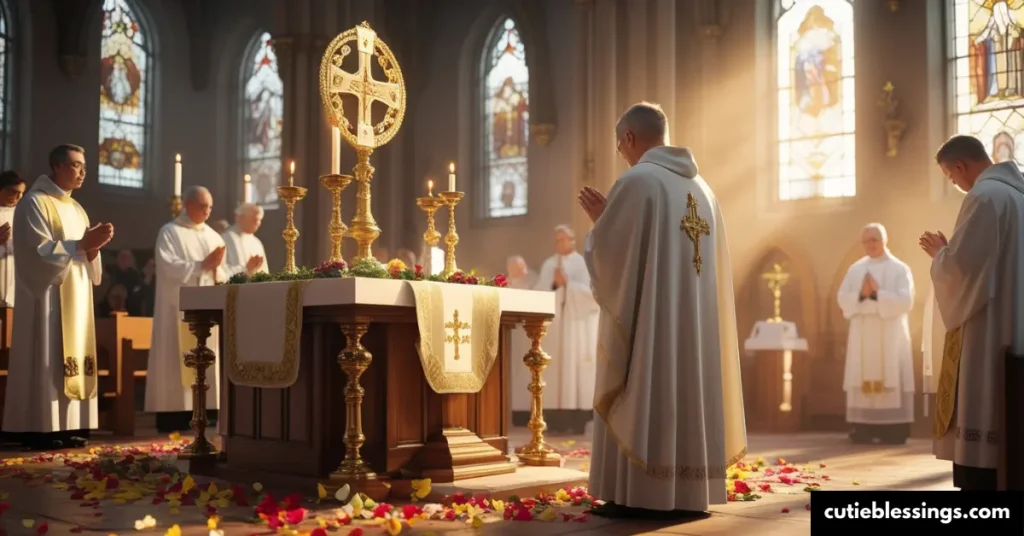
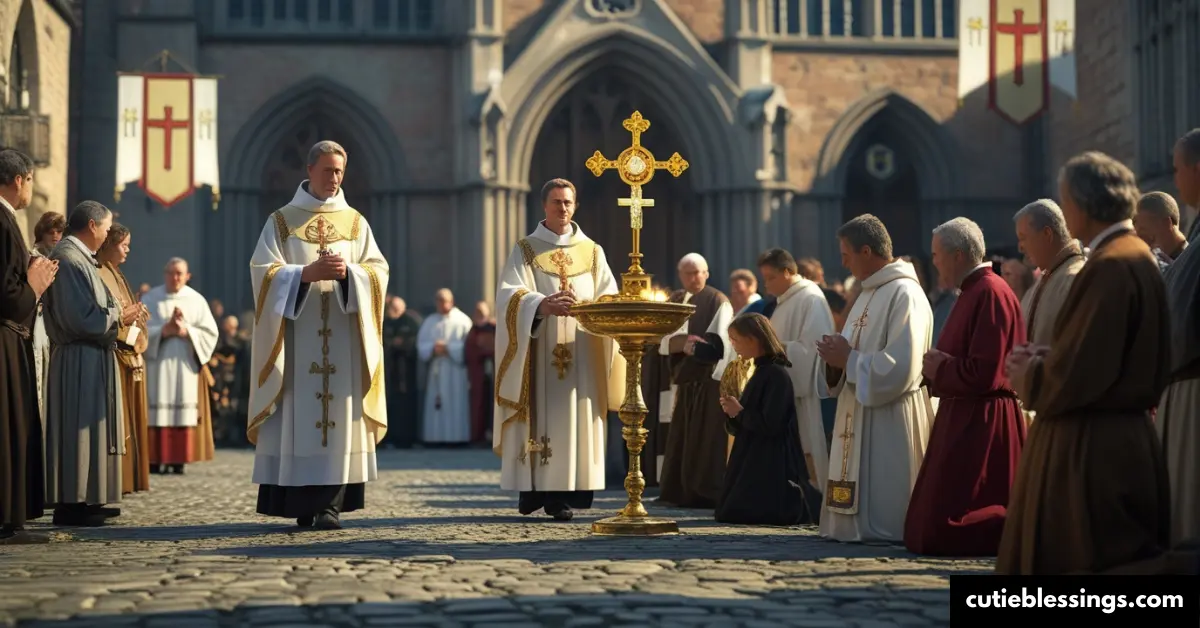
The most well-known tradition of the Blessed Sacrament Festival is the Eucharistic procession.
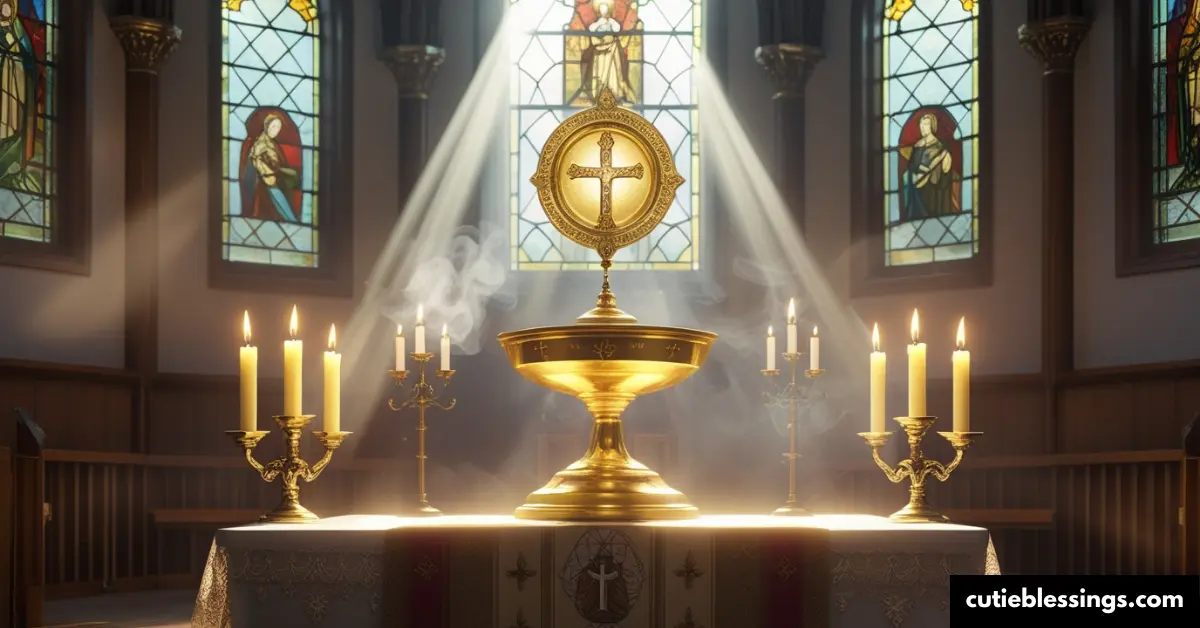
- The consecrated Host is placed in a sacred vessel called a monstrance
- The priest carries it through streets or church grounds
- People walk together in prayer and song
- Streets are often decorated with flowers and symbols of faith
This public procession is a powerful sign of faith and unity.
Floral Carpets and Decorations
In many countries, communities create intricate flower carpets on the streets where the procession passes.
- Made from petals, leaves, colored sand, or sawdust
- Designed with crosses, chalices, and religious symbols
- Prepared by families and volunteers throughout the night
These carpets symbolize honor and reverence for Christ.
Special Mass and Adoration
The celebration usually begins with a solemn Mass, followed by:
- Eucharistic adoration
- Benediction of the Blessed Sacrament
- Silent prayer and reflection
Many churches extend adoration hours during this feast.
Hymns and Sacred Music
Music plays an important role in the festival:
- Traditional Eucharistic hymns
- Choir performances
- Bells ringing during the procession
These sounds create an atmosphere of joy and reverence.
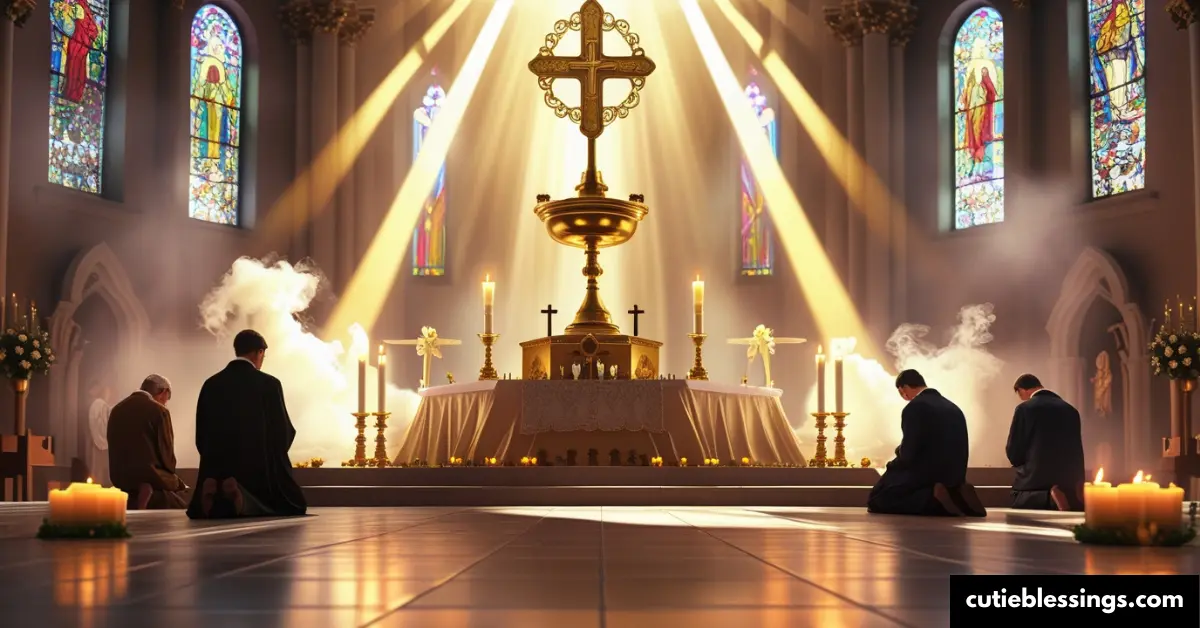
Candles and Incense
Candles represent the light of Christ, while incense symbolizes prayers rising to heaven. Their use adds a sacred and sensory beauty to the celebration.
Blessed Sacrament Festival Traditions by Region
Europe
- Grand processions through historic streets
- Elaborate church decorations
- Strong involvement of entire towns
Latin America
- Colorful celebrations
- Music, dance, and community feasts
- Deep emotional devotion
Asia
- Smaller but deeply reverent gatherings
- Emphasis on prayer and reflection
- Cultural symbols blended with liturgy
Africa
- Joyful singing and drumming
- Community participation
- Strong sense of unity and thanksgiving
Spiritual Meaning of the Blessed Sacrament Festival
Beyond traditions and ceremonies, this festival carries deep spiritual meaning.
A Celebration of Presence
It reminds believers that Jesus is not distant—He is present, close, and accessible through the Eucharist.
A Call to Faith
The festival invites Christians to renew belief in the mystery of the Eucharist.
A Moment of Gratitude
It is a time to thank God for spiritual nourishment and divine love.
A Witness to the World
Public celebrations show faith openly and encourage others to reflect on spiritual truths.
How Families Celebrate the Blessed Sacrament Festival
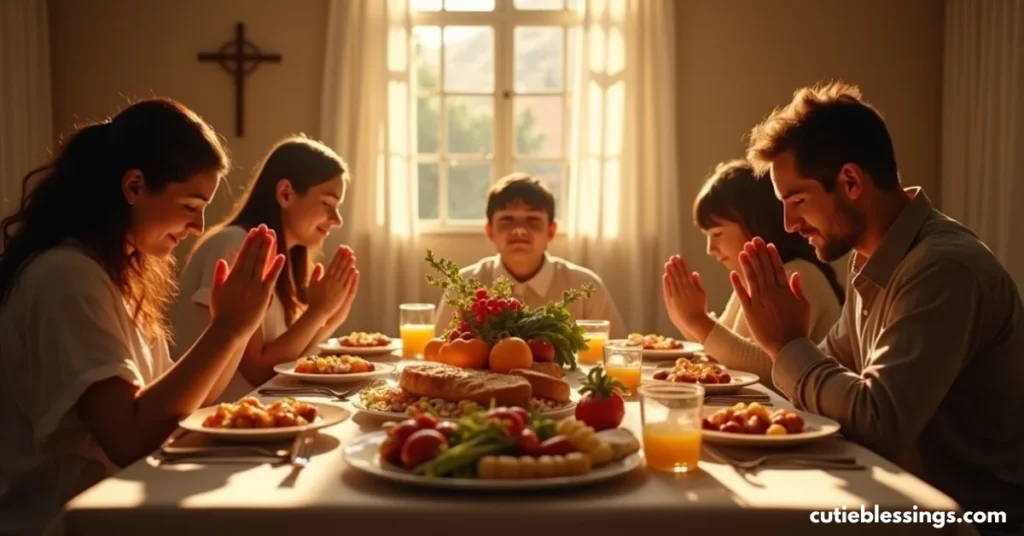
The festival is not only celebrated in churches but also in homes.
At Home Traditions
- Family prayer time
- Reading Scripture about the Eucharist
- Teaching children about the meaning of the feast
Teaching Children
Parents often explain:
- What the Eucharist represents
- Why respect and reverence matter
- How faith shapes daily life
These lessons help pass traditions to the next generation.
How to Prepare Spiritually for the Blessed Sacrament Festival
Preparation is just as important as the celebration itself.
Spiritual Preparation
- Attend confession
- Spend time in Eucharistic adoration
- Reflect on personal faith journey
Practical Preparation
- Volunteer for decorations or choir
- Help organize the procession
- Invite family and friends to attend Mass
What to Wear on the Blessed Sacrament Festival
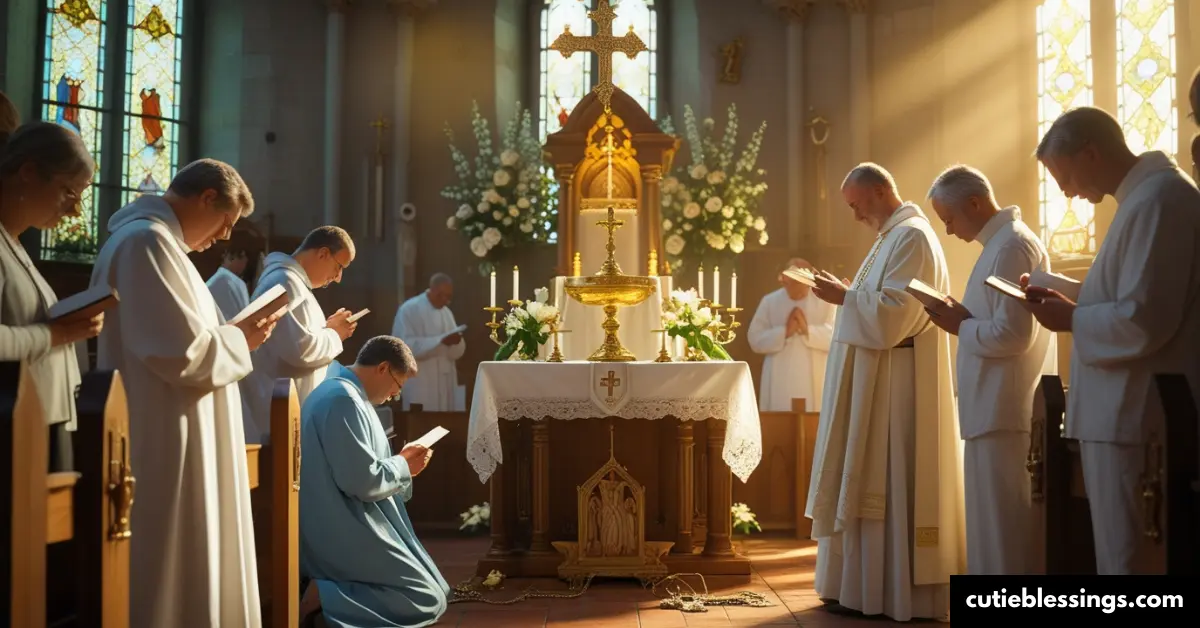
There is no strict dress code, but modest and respectful attire is encouraged.
- Light-colored or white clothing is common
- Comfortable shoes for processions
- Traditional attire in some cultures
The goal is to honor the sacred nature of the feast.
The Role of the Community in the Festival
The Blessed Sacrament Festival brings people together.
- Neighbors work side by side
- Churches become centers of unity
- Differences fade in shared worship
It strengthens social bonds while deepening spiritual connection.
Blessed Sacrament Festival and Modern Times
Even in today’s fast-paced world, the festival remains relevant.
Faith in Public Life
The festival reminds people that faith can be lived openly, peacefully, and joyfully.
Inner Peace and Reflection
In a noisy world, Eucharistic devotion offers silence, calm, and clarity.
Continuing Ancient Traditions
Participating in the festival connects believers to centuries of shared faith.
Common Symbols of the Blessed Sacrament Festival
- Monstrance – Displays the consecrated Host
- Host – Represents the Body of Christ
- Chalice – Symbol of Christ’s Blood
- Wheat and Grapes – Bread and wine of the Eucharist
- Light and Flowers – Honor and celebration
Each symbol carries deep meaning and teaches spiritual truths.
Blessed Sacrament Festival 2025: What Makes It Special
Every year is special, but 2025 offers another chance to:
- Renew personal faith
- Participate in community worship
- Pass traditions to younger generations
- Experience peace and spiritual joy
The festival is not about one day alone—it inspires faith throughout the year.
Blessed Sacrament Festival: Muslim Perspective – Should Muslims Celebrate It?
From an Islamic point of view, every act of worship and religious celebration is based on Tawheed (the oneness of Allah) and the teachings of the Prophet Muhammad (peace be upon him). In this context, the Blessed Sacrament Festival, which is a central celebration in the Christian faith, is not a religious event that Muslims are required or permitted to celebrate as an act of worship.
Islamic Viewpoint
According to Islamic beliefs:
-
Worship is directed to Allah alone
-
No person or object is considered divine
-
Each religion has its own beliefs, rituals, and sacred practices
The Blessed Sacrament Festival focuses on the Christian belief in the Eucharist and the divine presence of Jesus Christ, which differs from Islamic theology.
Can Muslims Celebrate the Blessed Sacrament Festival?
-
Religiously: No
-
As an act of faith or worship: Not permitted in Islam
-
Participating in religious rituals: Not allowed for Muslims
Islam encourages Muslims to remain firm in their own faith while respecting the beliefs of others.
Is It Acceptable for Muslims to Learn About This Festival?
Yes.
Islam supports knowledge, understanding, and respectful awareness of other religions, as long as it does not affect one’s own beliefs.
Therefore:
-
Learning about the festival for educational or informational purposes is acceptable
-
Understanding it for cultural or interfaith awareness is allowed
-
Religious participation or belief acceptance is not required for Muslims
Interfaith Respect and Coexistence
Islam teaches peaceful coexistence, good character, and respect toward people of all faiths. Muslims are encouraged to:
-
Treat others with kindness
-
Respect religious differences
-
Maintain their own Islamic identity
Respect does not mean religious agreement, but rather peaceful understanding and mutual respect.
Summary of the Muslim Perspective
-
The Blessed Sacrament Festival is part of Christian religious practice
-
Muslims are not required or permitted to celebrate it as a religious event
-
Learning about it for knowledge and awareness is acceptable
-
Maintaining Islamic beliefs while showing respect is essential
Final Thoughts
The Blessed Sacrament Festival 2025 is more than a religious event—it is a heartfelt celebration of faith, love, and divine presence. Through its dates, traditions, and spiritual meaning, it offers believers a chance to slow down, reflect, and reconnect with what truly matters.
Whether you join a grand procession, attend a quiet Mass, or pray at home with family, this sacred feast invites everyone to experience peace, unity, and hope through devotion to the Blessed Sacrament.
May the Blessed Sacrament Festival 2025 bring light to your heart and blessings to your life.
FAQS
What is the Blessed Sacrament Festival?
It is a Christian feast celebrating the Real Presence of Jesus Christ in the Eucharist.
When is the Blessed Sacrament Festival in 2025?
It will be celebrated on June 19, 2025, in many places, and June 22, 2025, in others.
Is Corpus Christi the same as the Blessed Sacrament Festival?
Yes, Corpus Christi is another name for the Blessed Sacrament Festival.
Do all Christians celebrate this feast?
It is primarily celebrated in the Catholic Church, though other Christian communities may honor the Eucharist differently.
Can children participate?
Yes, children are encouraged to take part and learn about the meaning of the Eucharist.