
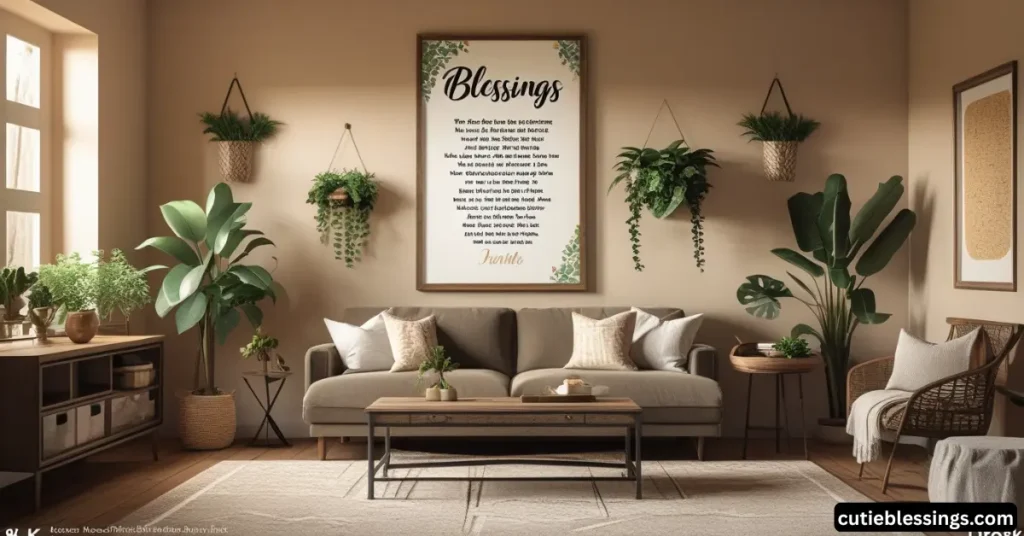
What if a single piece of wall art could instantly transform the mood of your entire home?
Blessings Wall Art is not just decorative typography. When styled with intention, it becomes the emotional centerpiece of a room — expressing gratitude, faith, warmth, and purpose the moment someone walks through the door.
Yet this is where most homes fall short.
A framed quote is often hung without considering proportion, placement, color balance, or visual hierarchy. The result? Even meaningful Blessings Wall Art can feel awkward, undersized, or visually disconnected.
Professional interior designers never treat wall art as an afterthought. They analyze scale, negative space, lighting direction, room function, and material contrast before placing a single nail in the wall. When these elements align, the artwork does not simply decorate — it defines the atmosphere.
If you want your space to feel polished, intentional, and deeply welcoming, this guide will show you exactly how to style Blessings Wall Art with the precision and confidence of a designer.
Table of Contents
Why Blessings Wall Art Is More Than Just Decor
Before discussing styling, it is important to understand why Blessings Wall Art has become a staple in modern home design.
It Creates Emotional Anchors
Decor that includes blessings, affirmations, or meaningful phrases establishes emotional warmth. It sets the tone of the room and reflects personal values.
Guests often remember the message long after they leave.
It Works Across Design Styles
Whether your home is:
- Modern minimal
- Farmhouse
- Traditional
- Bohemian
- Contemporary
- Transitional
Blessings Wall Art can adapt. The key is selecting typography, materials, and framing that align with your design aesthetic.
It Supports Layered Interior Design
Professional interior styling relies on layers:
- Large anchor pieces
- Supporting decor
- Texture variation
- Visual flow
Blessings Wall Art functions as either a primary statement piece or a supporting visual layer.
Step One: Choose the Right Blessings Wall Art for Your Style
Not all wall art fits all homes. Styling begins with selection.
1. Match Typography to Your Interior Style
Typography dramatically impacts the mood of Blessings Wall Art.
- Script fonts feel romantic and soft
- Serif fonts feel traditional and elegant
- Sans-serif fonts feel clean and modern
- Hand-lettered styles feel cozy and farmhouse-inspired
If your home features sleek furniture and neutral tones, avoid overly ornate lettering. If your space is rustic, a bold modern font may feel disconnected.
2. Consider Material and Texture
Blessings Wall Art comes in multiple materials:
- Canvas prints
- Framed paper prints
- Wood panels
- Metal signage
- Acrylic pieces
Choose materials that complement existing finishes in your room. For example:
- Wood frames pair well with hardwood flooring.
- Black metal frames align with industrial interiors.
- Light oak frames complement Scandinavian decor.
3. Select the Right Size
One of the biggest styling mistakes is choosing art that is too small.
Follow these general scale rules:
- Art above furniture should be 60 to 75 percent the width of the furniture.
- For blank walls, larger pieces create stronger impact than multiple tiny frames.
- Gallery walls should occupy a defined visual block rather than scattered placements.
Proper scale instantly makes Blessings Wall Art look intentional instead of random.
How to Style Blessings Wall Art in the Living Room
The living room is often the most visible and frequently used space in a home. Styling here requires balance between impact and cohesion.
Above the Sofa Placement
This is the most common location.
Best practices:
- Hang the art 6 to 8 inches above the sofa back.
- Center it horizontally with the furniture.
- Ensure the width proportion is balanced.
If using one large Blessings Wall Art piece, let it stand alone. If using multiple frames, create a structured layout with consistent spacing.
Create a Statement Wall
For homes with open layouts, a statement wall featuring Blessings Wall Art can define the living area.
Ideas:
- Oversized canvas with minimal decor around it.
- Black and white typography against a colored accent wall.
- Wooden blessing sign paired with floating shelves.
Keep surrounding decor minimal so the message remains the focal point.
Layer with Complementary Decor
Professional styling includes layering:
- Add wall sconces on either side.
- Place a console table underneath.
- Use greenery to soften the visual weight.
The goal is visual balance, not overcrowding.
Styling Blessings Wall Art in the Entryway
Your entryway sets the tone for your home.
A blessing message here feels welcoming and intentional.
Above a Console Table
This is a powerful placement.
Styling tips:
- Add a mirror above or behind smaller Blessings Wall Art pieces.
- Use table lamps to frame the art visually.
- Include a bowl or tray for functionality.
A simple message about gratitude or welcome works beautifully in this space.
Vertical Layout for Narrow Walls
Entryways are often narrow.
Use:
- Vertical framed Blessings Wall Art
- Stacked typography prints
- Tall wood signage
This draws the eye upward and creates height.
How to Style Blessings Wall Art in the Bedroom
The bedroom requires softer, calmer styling.
Above the Bed
This placement must feel serene.
Choose:
- Neutral color palettes
- Gentle typography
- Minimalistic frames
Avoid overly bold or loud designs. The bedroom is a retreat, not a statement showroom.
Beside the Bed
Smaller Blessings Wall Art pieces can be styled:
- Above nightstands
- In pairs
- With matching frames
This creates symmetry and sophistication.
Create a Personal Reflection Corner
If you have a reading nook or chair in your bedroom, add Blessings Wall Art nearby to enhance the emotional atmosphere.
Combine with:
- A floor lamp
- A small side table
- Soft textiles
Styling Blessings Wall Art in the Dining Room
Dining rooms are perfect for messages about gratitude and togetherness.
Centered on the Main Wall
Place Blessings Wall Art where it is visible from the table.
Best practice:
- Align the center of the art at eye level.
- Keep it proportional to the dining table size.
- Avoid overly busy designs that distract from conversation.
Pair with Wall Molding
If your dining room has decorative molding, ensure the artwork fits within the panel dimensions.
This creates a high-end, tailored look.
Blessings Wall Art in the Kitchen
Kitchens benefit from uplifting messages.
Above the Breakfast Nook
Small framed pieces can add warmth without overpowering the space.
Between Cabinets and Ceiling
If you have extra vertical space, horizontal Blessings Wall Art can fill the gap elegantly.
Choose durable materials like canvas or sealed prints for kitchen environments.
Creating a Gallery Wall with Blessings Wall Art
Gallery walls are popular but require structure.
Define a Layout Before Hanging
Common layouts:
- Symmetrical grid
- Organic salon-style
- Linear horizontal alignment
Lay everything on the floor first before installing.
Maintain Consistent Spacing
Professional designers use consistent spacing of 2 to 3 inches between frames.
Combine With Other Elements
Blend Blessings Wall Art with:
- Family photos
- Abstract art
- Botanical prints
Keep a unified color palette to avoid visual chaos.
Color Coordination and Contrast Strategy
Color harmony is essential for cohesive styling.
Match Existing Decor
If your room has warm tones:
- Choose warm beige or brown frames.
If your room is monochrome:
- Black and white typography works best.
Use Contrast for Emphasis
White walls benefit from darker frames.
Dark walls look stunning with light typography.
Contrast ensures the message is readable and impactful.
Height and Hanging Guidelines
Correct height placement is critical.
Standard guideline:
- Center of artwork should be 57 to 60 inches from the floor.
Above furniture:
- Maintain 6 to 8 inches of spacing.
For gallery walls:
- Anchor around a central focal point.
Improper height can make even expensive Blessings Wall Art look unbalanced.
Lighting Considerations
Lighting dramatically affects how Blessings Wall Art is perceived.
Natural Light
Avoid direct sunlight to prevent fading.
Accent Lighting
Use:
- Picture lights
- Wall sconces
- Adjustable spotlights
Subtle lighting elevates the art and enhances its message.
Seasonal Styling Updates
You do not need to change Blessings Wall Art frequently, but seasonal adjustments can refresh the look.
Ideas:
- Add seasonal greenery.
- Change surrounding decor accents.
- Swap frames for a lighter or darker tone.
Keep the core blessing message timeless.
Common Styling Mistakes to Avoid
Even beautiful Blessings Wall Art can fail if styled incorrectly.
Choosing Art That Is Too Small
Small pieces on large walls look disconnected.
Hanging Too High
This is extremely common and makes the room feel awkward.
Ignoring Room Scale
Oversized art in tiny rooms can overwhelm.
Mixing Too Many Fonts
Typography inconsistency creates visual noise.
Overcrowding the Wall
Allow negative space for breathing room.
Advanced Styling Tips for a Designer Finish
If you want your home to look professionally styled, apply these advanced techniques.
Use the Rule of Three
Group decor in threes for natural balance.
Mix Textures
Combine:
- Wood
- Metal
- Fabric
- Glass
This creates depth.
Anchor With Furniture
Always relate Blessings Wall Art to nearby furniture so it feels grounded.
Blessings Wall Art for Different Interior Styles
Modern Interiors
- Black and white typography
- Thin metal frames
- Minimal words
Farmhouse Style
- Wood panels
- Script fonts
- Warm neutrals
Traditional Homes
- Ornate frames
- Serif fonts
- Symmetrical placement
Minimalist Spaces
- Single bold blessing
- Large scale
- Clean white walls
Building Authority Through Meaningful Decor
When styling Blessings Wall Art, think beyond decoration.
Ask:
- What message represents your household?
- What tone do you want guests to feel?
- How does this align with your lifestyle?
Homes that reflect intentional design always feel more welcoming and elevated.
How Blessings Wall Art Enhances Guest Experience
Guests subconsciously read the emotional cues in your space.
A thoughtfully placed blessing:
- Creates warmth.
- Sparks conversation.
- Shows intentional living.
- Leaves a memorable impression.
When styled correctly, it feels integrated, not decorative.
You can also read: Secret Blessed Is She Wallpaper Designs You’ll Love
Final Thoughts:
Beautiful homes are not built by accident. They are created through intentional choices.
Blessings Wall Art is one of the most powerful tools you can use to transform a space — not because it fills a wall, but because it communicates identity. It tells guests what matters to you before a single word is spoken.
When styled with proper scale, thoughtful placement, balanced color coordination, and strategic lighting, it becomes more than décor. It becomes an anchor of warmth and purpose.
Remember the essentials:
-
Match typography to your interior style
-
Choose the correct size for visual balance
-
Hang at professional height standards
-
Avoid overcrowding
-
Use contrast and lighting strategically
Start with one room. Apply these principles carefully. Step back and refine.
You will notice something important.
The room will not just look better. It will feel different.
That is the power of styling Blessings Wall Art with intention — it transforms walls into statements and houses into homes that leave lasting impressions.
FAQs:
What is the best height to hang Blessings Wall Art?
The center of your artwork should be 57–60 inches from the floor, or 6–8 inches above furniture for balanced visual impact.
How do I choose the right size for Blessings Wall Art?
For walls above furniture, choose art that’s 60–75% the width of the piece below it; larger pieces work best on blank walls.
Which typography works best for different interior styles?
Script fonts: romantic or farmhouse
Serif fonts: traditional
Sans-serif fonts: modern and clean
Match the font to your room’s overall style.
Can Blessings Wall Art be layered with other decor?
Yes. Combine it with family photos, plants, or wall accents, but maintain spacing and a unified color palette.
How do I style Blessings Wall Art in small or narrow spaces?
Use vertical art, stacked prints, or slim panels to draw the eye upward and create a sense of height without overcrowding.