
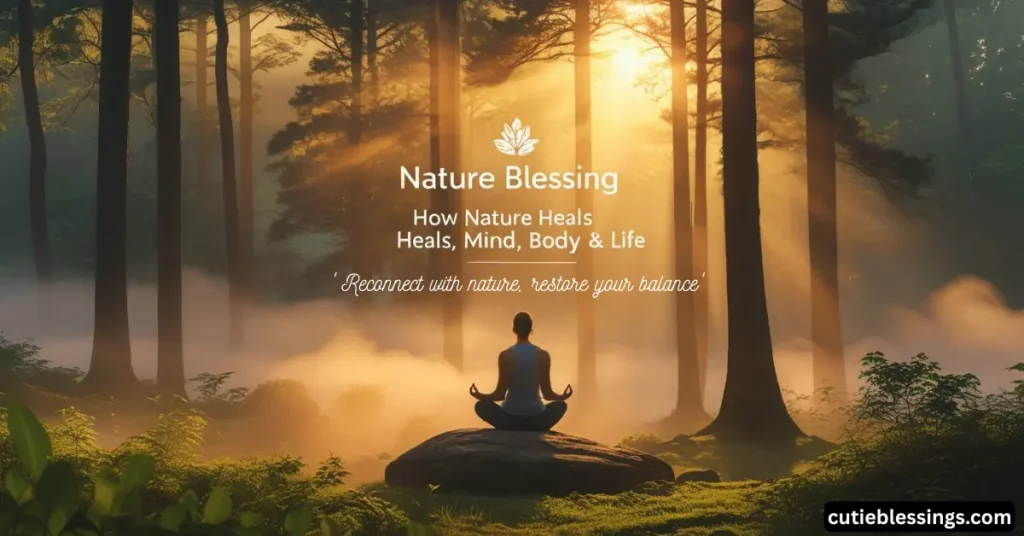
Nature blessing is not an abstract idea or poetic expression. It is a practical, observable experience with measurable benefits for human well-being. Across cultures, ages, and lifestyles, people instinctively turn to nature for calm, clarity, emotional stability, and renewal. This is not accidental—it reflects a deep, long-standing biological and psychological connection between humans and the natural world.
From sunlight and fresh air to greenery, open space, and natural rhythms, nature quietly restores what modern life often depletes. In an age dominated by screens, constant stimulation, and compressed schedules, nature blessing helps stabilize mind, body, and spirit.
This article explores the meaning of nature blessing, its mental, physical, and emotional benefits, and practical strategies to integrate it into daily life. It draws on environmental psychology principles, lifestyle observations, and wellness outcomes to provide reliable guidance.
Table of Contents
Understanding Nature Blessing
Nature blessing refers to the positive effects humans experience through consistent interaction with natural elements. These benefits emerge naturally from exposure to daylight, greenery, water, fresh air, seasonal changes, and open spaces.
Unlike material comforts, nature blessing requires no purchase, belief system, or ritual. Even small, consistent interactions—such as sitting near a plant, walking in the park, or observing sunlight streaming through a window—activate the body’s natural ability to relax and restore balance.
Observable Benefits of Nature Blessing
People who regularly spend time in natural settings often report:
- Reduced stress and anxiety
- Improved focus and cognitive clarity
- Emotional stability and resilience
- Physical comfort and vitality
These effects are universal, observable across cultures, and supported by research in environmental psychology and behavioral science. Even minimal engagement, such as five to ten minutes outdoors daily, can have measurable improvements on mood and energy levels.
The Deep Connection Between Humans and Nature
Evolutionary Alignment With Nature
Humans evolved in nature-rich environments. For thousands of years, daily life depended on daylight, weather patterns, and seasonal rhythms. Modern infrastructure has replaced these natural settings, but the human nervous system continues to respond positively to natural stimuli.
Time spent outdoors often leads to improved mood, focus, and reduced mental fatigue. This response reflects evolutionary familiarity rather than novelty—our biology recognizes natural environments as safe and supportive.
Nature as a Low-Demand Environment
Unlike workspaces or social settings, nature requires nothing of us. There are no deadlines, comparisons, or performance expectations. This lack of pressure allows the nervous system to relax and cognitive load to decrease.
For individuals experiencing chronic stress, burnout, or decision fatigue, nature provides a natural restorative environment. It is a space where the mind can wander freely, and the body can rest without conscious effort.
Mental Health Benefits of Nature Blessing
Stress and Anxiety Regulation
Exposure to natural environments is linked to reduced stress responses. Gentle stimuli—flowing water, wind through trees, or birdsong—help regulate nervous system activity. Research shows that even short periods in greenery reduce cortisol levels and mental tension.
People who spend regular time outdoors report feeling less overwhelmed and more emotionally steady. Regular engagement with nature can complement mindfulness practices, therapy, or stress management techniques, making it a highly accessible mental health resource.
Improved Focus and Cognitive Recovery
Modern life demands constant attention. Screen use, multitasking, and information overload fatigue cognitive systems. Nature provides a low-demand environment that allows attention restoration.
Environmental psychology studies consistently find that natural settings improve memory, focus, and problem-solving ability. Even brief time outdoors enhances cognitive clarity and decision-making. Schools, offices, and homes that integrate natural light and greenery often report improved concentration and productivity.
Emotional Balance and Perspective
Nature supports emotional regulation by providing grounding experiences. Observing natural cycles—growth, decay, movement, and stillness—teaches that change is normal and manageable.
This perspective fosters patience, resilience, and emotional intelligence. During times of stress, uncertainty, or personal challenge, nature encourages acceptance and provides a safe backdrop for reflection and problem-solving.
Physical Health Benefits of Nature Blessing
Encouraging Natural Movement
Natural environments promote movement in ways that feel effortless. Walking on uneven ground, stretching, climbing, and posture adjustments occur more naturally outdoors, supporting cardiovascular health, muscle engagement, and overall vitality.
Many people find physical activity more enjoyable in natural settings, increasing the likelihood of consistent exercise. Integrating nature into daily routines—such as walking to work, using stairs in green spaces, or gardening—creates long-term physical benefits.
Sunlight and Biological Rhythms
Sunlight regulates circadian rhythms, improving sleep quality, mood, and alertness. Aligning daily routines with natural light supports long-term health and energy balance.
Exposure to natural light during the day enhances hormone regulation, strengthens the body’s internal clock, and reduces fatigue. Even indoor environments benefit from maximizing sunlight through windows, skylights, or light-colored decor.
Supporting Immune Resilience
Interaction with diverse natural environments can help the body maintain adaptive balance. While not a substitute for medical care, regular exposure to greenery, fresh air, and natural stimuli complements healthy lifestyle behaviors and supports immune function.
Spending time outdoors can reduce inflammation, improve circulation, and boost overall vitality—benefits particularly relevant in high-stress urban lifestyles.
Emotional Well-Being and Nature Blessing
Reducing Feelings of Isolation
Nature fosters a sense of belonging without social demand. People often feel less alone when surrounded by living systems such as trees, water, and wildlife.
This quiet connection can be particularly supportive during periods of stress, grief, or life transitions, offering companionship without expectation or pressure.
Stillness as Emotional Support
Silence and open space in nature allow for reflection, emotional release, and clarity. Unlike indoor or social environments, nature provides support without requiring explanation or effort.
Regular moments of stillness in green spaces enhance self-awareness, inner calm, and emotional regulation. These practices are beneficial for mental health, personal reflection, and spiritual well-being.
Positive Nature Blessings That Enrich Daily Life
Nature blessing manifests in practical, measurable ways that enhance daily life. These benefits accumulate over time, creating long-term improvements in mental, emotional, and physical health.
Mental Calm and Inner Stability
Even brief moments outdoors reduce mental noise, restoring internal steadiness. Regular exposure fosters better decision-making, emotional control, and resilience.
Renewed Energy and Vitality
Natural elements like sunlight, fresh air, and gentle movement restore energy without overstimulation. This leads to balanced alertness and sustainable productivity throughout the day.
Improved Mood and Optimism
Time in nature naturally boosts mood, fostering contentment, gratitude, and quiet joy without external validation. Positive emotions experienced outdoors often carry into daily tasks, improving relationships, motivation, and performance.
Clarity and Perspective
Nature creates mental space. Problems that seem overwhelming indoors often appear manageable after time outdoors. This clarity supports adaptive thinking and long-term problem-solving.
Emotional Resilience
Observing natural cycles encourages patience, acceptance, and emotional strength. These insights enhance coping mechanisms for life challenges and foster psychological flexibility.
Nature Blessing and Creativity
Mental Clarity for Ideas
Nature reduces cognitive clutter and creates mental spaciousness. Creative professionals frequently report new insights during walks or time spent in greenery.
This mental refresh enhances brainstorming, innovation, and creative problem-solving, making nature a powerful tool for students, writers, designers, and professionals.
Renewed Motivation
Exposure to nature restores focus and engagement. Tasks return to daily routines with renewed interest, making productivity sustainable without stress or burnout.
Nature Blessing in Daily Life
Small, Consistent Interactions
Nature blessing does not require scale. Consistency is key. Practices include:
- Opening windows for airflow
- Adding indoor plants
- Taking short outdoor breaks
- Observing natural light changes
- Walking in parks or gardens
Even minimal daily exposure produces cumulative benefits, enhancing mental clarity, physical vitality, and emotional resilience over time.
Nature in Urban Settings
Urban residents can access nature through parks, trees, balconies, rooftop gardens, and natural light. Mindful awareness of these elements enhances their restorative effect. Simple interventions—like placing plants on a windowsill or walking in a tree-lined street—create meaningful improvements.
Teaching Children the Value of Nature
Supporting Healthy Development
Outdoor play enhances physical coordination, emotional regulation, and curiosity. Nature supports problem-solving and cognitive growth, fostering confidence and adaptability.
Learning Through Observation
Children develop empathy, patience, and respect for living systems by observing cause and effect in nature. Early exposure instills lifelong habits of environmental stewardship and well-being.
Bringing Nature Into the Home
Designing Supportive Spaces
Nature-inspired interiors improve comfort and calm. Elements such as plants, natural light, organic materials, and airflow enhance mood, focus, and creativity.
Reducing Sensory Overload
Balanced lighting, natural textures, and gentle color palettes reduce mental strain, supporting relaxation and cognitive clarity.
Nature Blessing and Mindful Living
Nature naturally encourages mindfulness. Observing movement in trees, clouds, or water slows mental pace and reduces urgency, supporting intentional living without structured practices.
Seasonal Nature Blessings
Each season offers unique benefits:
- Spring: Renewal and growth
- Summer: Energy and expansion
- Autumn: Reflection and transition
- Winter: Rest and restoration
Aligning routines with seasonal rhythms enhances emotional balance, resilience, and well-being.
Nature Blessing for High-Stress Lifestyles
Short, intentional exposure counteracts modern life stress. Brief outdoor breaks improve mood, cognitive clarity, and emotional resilience. Nature supports recovery without requiring effort or productivity.
Simple Practices to Strengthen Nature Connection
- Daily walks in natural light
- Outdoor breathing exercises
- Mindful observation of plants, clouds, or wildlife
- Reducing digital distractions outdoors
Consistency deepens connection and amplifies benefits.
Nature Blessing and Aging Well
Nature-based activities support mobility, cognitive function, and emotional comfort in older adults. Gentle movement, sunlight, and outdoor engagement improve quality of life and reduce feelings of isolation.
The Science Behind Nature Blessing
Environmental psychology research shows that natural settings reduce cortisol levels, support attention restoration, and improve nervous system regulation. Gentle sensory input in nature helps the brain recover from mental fatigue and stress.
Nature Blessing During Difficult Times
Nature provides comfort and perspective during hardship. Observing resilience, cycles of renewal, and natural balance fosters emotional strength, acceptance, and hope.
Respecting and Protecting Nature
Nature blessing is reciprocal. Caring for natural spaces ensures continued access to their benefits. Simple daily actions, such as reducing waste, conserving resources, and appreciating greenery, support long-term sustainability and well-being.
Nature Blessing as a Lifestyle Choice
Integrating nature into daily identity fosters balance, intentional living, and long-term health. When nature is central to routines, decisions naturally support well-being, clarity, and emotional resilience.
Conclusion
Nature blessing is a reliable, accessible source of mental, physical, and emotional support. It requires no purchase, belief, or skill—only presence. Through intentional engagement with natural elements, people restore balance, improve focus, enhance mood, and strengthen resilience.
Whether through brief walks, indoor plants, sunlight, or mindful observation, nature blessing quietly enriches life every day. It is timeless, universally accessible, and profoundly impactful.
You can also read: Bigger Blessings: How to Build Lasting Fulfillment in Life
FAQs:
What is nature blessing and how does it affect well-being?
Nature blessing refers to the positive effects of interacting with natural environments, including improved mental clarity, emotional stability, and physical health. Even small daily exposures to greenery, sunlight, or fresh air can enhance overall well-being.
How can I experience nature blessing in a city?
Urban nature can be accessed through parks, tree-lined streets, balconies, rooftop gardens, and natural light indoors. Mindful observation and consistent short exposures provide measurable benefits.
Can nature blessing reduce stress and anxiety?
Yes. Spending time in natural settings lowers cortisol levels, reduces mental fatigue, and promotes emotional balance. Even a five-minute walk outdoors can provide stress relief.
How does nature blessing improve creativity and focus?
Nature reduces cognitive overload and provides mental spaciousness. This environment supports creative thinking, problem-solving, and renewed motivation for daily tasks.
What are simple ways to integrate nature blessing into daily life?
Simple practices include opening windows for fresh air, caring for indoor plants, walking in green spaces, observing natural light changes, and mindful nature observation without digital distractions.