Have you ever wished you could silence the noise around you and simply feel at peace? In a world filled with deadlines, responsibilities, uncertainty, and constant information, many people long for a sense of calm that seems just out of reach.
The blessing of peace is one of the most valuable gifts a person can experience. It is more than a temporary feeling of relaxation or a quiet moment after a busy day. True peace reaches deeper. It settles the heart, steadies the mind, and helps us face life’s challenges with confidence and hope.
Many people mistakenly believe that peace only comes when problems disappear. The reality is very different. Some of the most peaceful people are not those with perfect lives. They are people who have learned how to remain calm, grateful, and grounded even when circumstances are difficult.
The blessing of peace affects every area of life. It improves relationships, strengthens emotional well-being, helps us make wiser decisions, and allows us to enjoy the present moment instead of constantly worrying about the future.
The good news is that peace is not something reserved for a lucky few. It is something that can be cultivated through intentional habits, healthy perspectives, and meaningful daily choices.
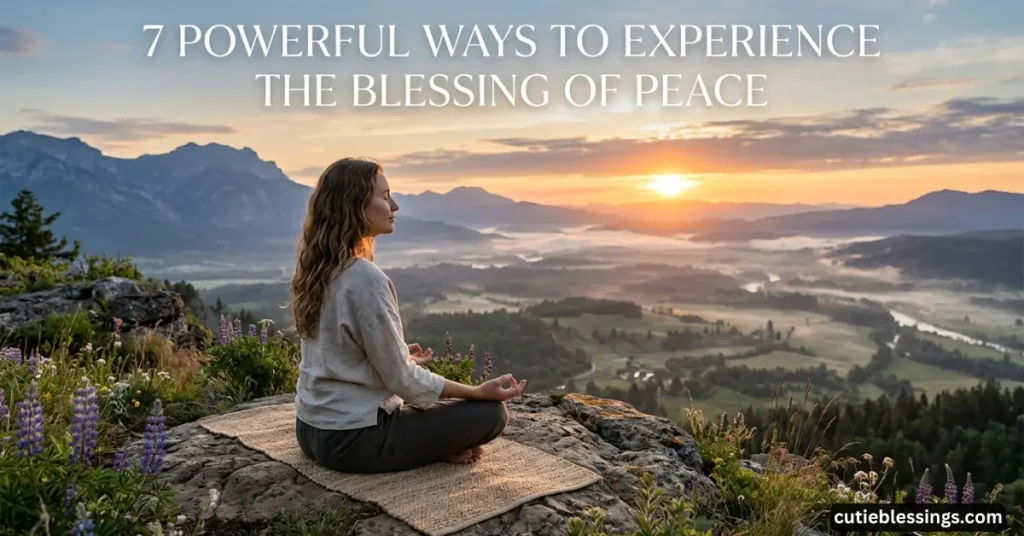
If you have been searching for more calm, balance, and joy in your life, these seven powerful ways can help you experience the blessing of peace on a deeper level.
Table of Contents
Understanding the True Meaning of the Blessing of Peace
Before exploring practical ways to experience peace, it is important to understand what peace truly means.
Many people associate peace with the absence of conflict. While that is part of it, genuine peace goes much further. Peace is an inner sense of security and stability that remains even when life feels uncertain.
A peaceful person still experiences challenges. They still face disappointment, setbacks, and difficult situations. The difference is that those challenges no longer control their thoughts and emotions.
The blessing of peace allows people to respond wisely instead of reacting impulsively. It creates room for patience, gratitude, and clarity.
Peace is not weakness. In many ways, it is one of the greatest forms of strength.
1. Begin Every Day with Gratitude

Why Gratitude Creates Peace
One of the quickest ways to lose peace is to focus entirely on what is missing from your life.
When people constantly think about what they lack, their attention naturally shifts toward disappointment, frustration, and comparison. Gratitude works in the opposite direction.
Gratitude helps you notice and appreciate the good things you already have in your life.
It reminds you that even during difficult seasons, there are still blessings worth appreciating.
A Simple Morning Practice
Before checking your phone or starting your daily routine, take a few minutes to think about three things you are thankful for.
They do not have to be extraordinary.
You might be grateful for:
- A supportive family member
- Good health
- A safe home
- A meaningful friendship
- A new opportunity
- A beautiful sunrise
How Gratitude Changes Your Perspective
Imagine two people facing the same challenge.
One focuses entirely on the problem.
The other acknowledges the challenge but also notices the support, opportunities, and lessons surrounding it.
The second person is much more likely to experience peace because gratitude broadens their perspective.
2. Stop Carrying Burdens You Cannot Control
The Hidden Cause of Stress

Many people spend enormous amounts of energy worrying about things they cannot change.
They worry about:
- What others think
- Future events
- Past mistakes
- Unexpected outcomes
Unfortunately, worrying rarely improves any of these situations.
Instead, it often steals today’s peace.
Focus on What You Can Control
A helpful question to ask yourself is:
“What is within my control right now?”
Usually, the answer includes:
- Your attitude
- Your effort
- Your choices
- Your reactions
Focusing on these areas gives you a sense of purpose and direction.
Let Go Without Giving Up
Letting go does not mean becoming careless.
It means recognizing the difference between responsibility and unnecessary worry.
When you release what you cannot control, you create space for peace to grow.
3. Create Quiet Moments in a Noisy World
Why Silence Matters
Modern life rarely slows down.
Notifications, messages, social media updates, and endless responsibilities compete for our attention every day.
Many people have become so accustomed to noise that silence feels uncomfortable.
Yet silence is often where peace begins.
Making Time for Reflection
Even ten minutes of quiet reflection can make a significant difference.
You might choose to:
- Sit quietly with your thoughts
- Pray
- Meditate
- Journal
- Read an inspiring passage
These moments help clear mental clutter and restore emotional balance.
Listening Instead of Rushing
When life becomes busy, people often move from one task to another without stopping to reflect.
Quiet moments allow you to pause, evaluate your priorities, and reconnect with what truly matters.
That clarity often brings a deep sense of peace.
4. Choose Forgiveness for Your Own Well-Being

How Resentment Affects Peace
Few things disturb inner peace more than unresolved bitterness.
Holding onto anger can feel justified, especially after being hurt by someone else’s actions.
However, carrying resentment often harms the person holding it more than anyone else.
Understanding What Forgiveness Really Means
Forgiveness does not mean:
- Forgetting what happened
- Approving harmful behavior
- Ignoring injustice
Instead, forgiveness means choosing not to let past pain continue controlling your present life.
A Real-Life Example
Imagine carrying a heavy backpack every day.
The longer you carry it, the more exhausted you become.
Bitterness works in a similar way.
Forgiveness removes that unnecessary weight and allows you to move forward with greater freedom and peace.
Taking Small Steps
Forgiveness is often a process.
Start by acknowledging your feelings honestly.
Then gradually work toward releasing the emotional burden.
Over time, many people discover that forgiveness opens the door to a peace they never thought possible.
5. Strengthen Your Spiritual Foundation
Peace Often Begins Within
For countless people throughout history, spiritual practices have been a source of comfort, hope, and strength.
A strong spiritual foundation provides stability during uncertain times.
When circumstances change, spiritual peace can remain.
Building a Daily Spiritual Routine
Simple practices can make a significant difference.
Consider incorporating:
- Prayer
- Scripture reading
- Reflection
- Worship
- Gratitude journaling
Consistency matters more than perfection.
Even a few minutes each day can strengthen your sense of peace.
Finding Comfort During Difficult Seasons
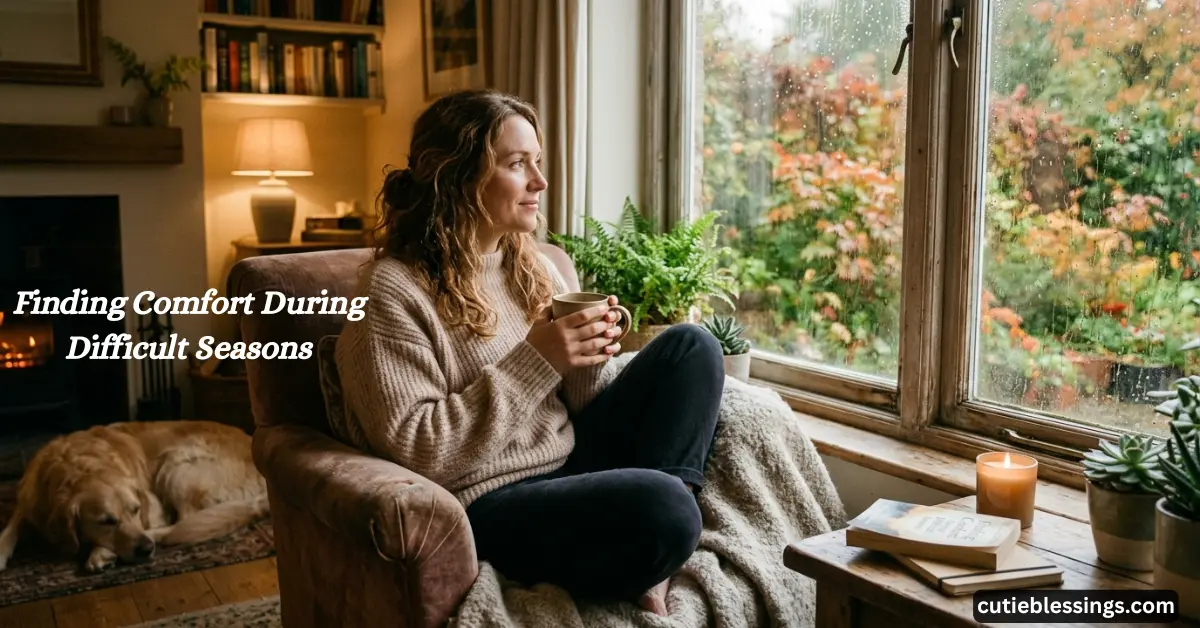
Life inevitably brings challenges.
Financial concerns, health struggles, relationship difficulties, and unexpected setbacks can create stress.
During these moments, spiritual practices often provide reassurance and perspective.
Many people discover that their deepest peace develops during their hardest seasons.
6. Simplify Your Life and Protect Your Energy
The Problem with Constant Busyness
Society often praises busyness.
People frequently measure success by how full their schedules are.
Yet constantly rushing from one obligation to another can leave little room for peace.
Identifying Unnecessary Stress
Take a moment to evaluate your daily life.
Ask yourself:
- What activities truly add value?
- What commitments create unnecessary pressure?
- What habits drain my energy?
Honest answers can reveal opportunities to simplify.
The Power of Healthy Boundaries
Protecting your peace sometimes requires setting boundaries.
This may involve:
- Limiting negative conversations
- Reducing screen time
- Saying no to unnecessary commitments
- Prioritizing rest
Healthy boundaries are not selfish.
They are essential for emotional well-being.
Making Room for What Matters Most
When life becomes less cluttered, it becomes easier to focus on meaningful relationships, personal growth, and inner peace.
Simplifying does not mean doing less of everything.
It means doing more of what truly matters.
7. Share Kindness Wherever You Go
Peace Grows Through Giving
One of the most surprising truths about peace is that it often increases when shared.
Acts of kindness create positive connections and meaningful moments.
Small Actions Make a Big Difference
Kindness does not have to be dramatic.
Simple actions can have a lasting impact.
Examples include:
- Encouraging a friend
- Helping a neighbor
- Offering a sincere compliment
- Listening attentively
- Showing patience during a difficult interaction
These actions create ripple effects that extend far beyond what we can see.
Why Kindness Brings Peace
People who regularly serve and encourage others often report greater happiness and emotional fulfillment.
The blessing of peace becomes easier to experience when our lives are marked by compassion and generosity.
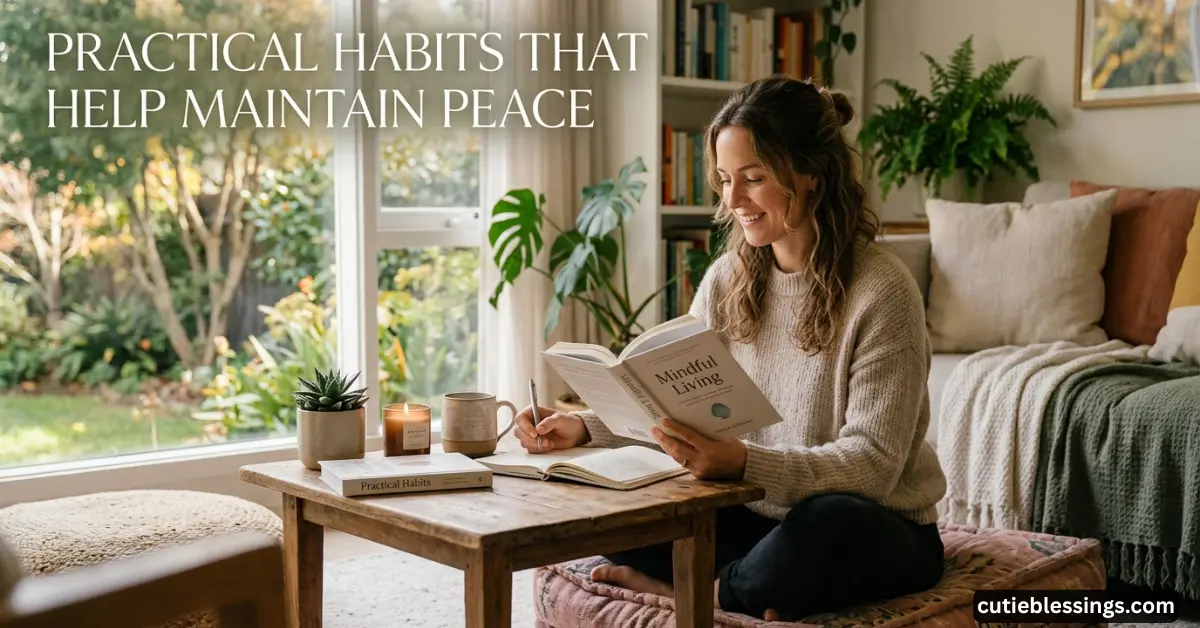
Practical Habits That Help Maintain Peace
Limit Negative Influences
Pay attention to what you consume daily.
Constant exposure to negativity can affect your mindset.
Consider balancing negative information with uplifting content, meaningful conversations, and positive influences.
Spend Time in Nature
A walk through a park, sitting near water, or simply observing the beauty of the outdoors can reduce stress and encourage reflection.
Practice Deep Breathing
When stress levels rise, pause and focus on your breathing.
Slow, intentional breathing can help calm the nervous system and create a greater sense of control.
Keep a Peace Journal
Writing down your thoughts can help process emotions and identify sources of stress.
Many people find that journaling brings clarity and emotional relief.
Celebrate Small Victories
Peace grows when we acknowledge progress instead of focusing only on problems.
Celebrate small achievements and moments of growth.
These reminders encourage hope and gratitude.
Benefits of Experiencing the Blessing of Peace
Better Emotional Health
Peace reduces emotional exhaustion and promotes greater resilience.
People who cultivate peace often feel more balanced and optimistic.
Stronger Relationships
Peaceful individuals tend to communicate more effectively and handle conflict with greater patience.
This leads to healthier and more fulfilling relationships.
Improved Decision-Making
A calm mind is better equipped to evaluate situations clearly.
Peace helps reduce impulsive reactions and encourages thoughtful choices.
Greater Enjoyment of Life
Many people miss today’s blessings because they are constantly worried about tomorrow.
Peace allows us to appreciate the present moment and enjoy life’s simple gifts.
Increased Inner Strength
Contrary to popular belief, peace does not make people weak.
It strengthens their ability to face challenges with confidence, wisdom, and grace.
Common Obstacles That Steal Peace
Comparison
Comparing your life to others often creates dissatisfaction.
Everyone’s journey is different.
Focus on your own growth rather than measuring yourself against someone else’s path.
Perfectionism
The desire for perfection can create constant frustration.
Healthy growth is valuable, but perfection is unrealistic.
Give yourself permission to learn and improve gradually.
Fear of the Future
Worrying excessively about what might happen tomorrow often steals today’s peace.
Preparing wisely is helpful.
Living in constant fear is not.
Unresolved Conflict
Avoiding important conversations can create ongoing stress.
Addressing issues respectfully and honestly often leads to greater peace over time.
Bringing the Blessing of Peace into Everyday Life
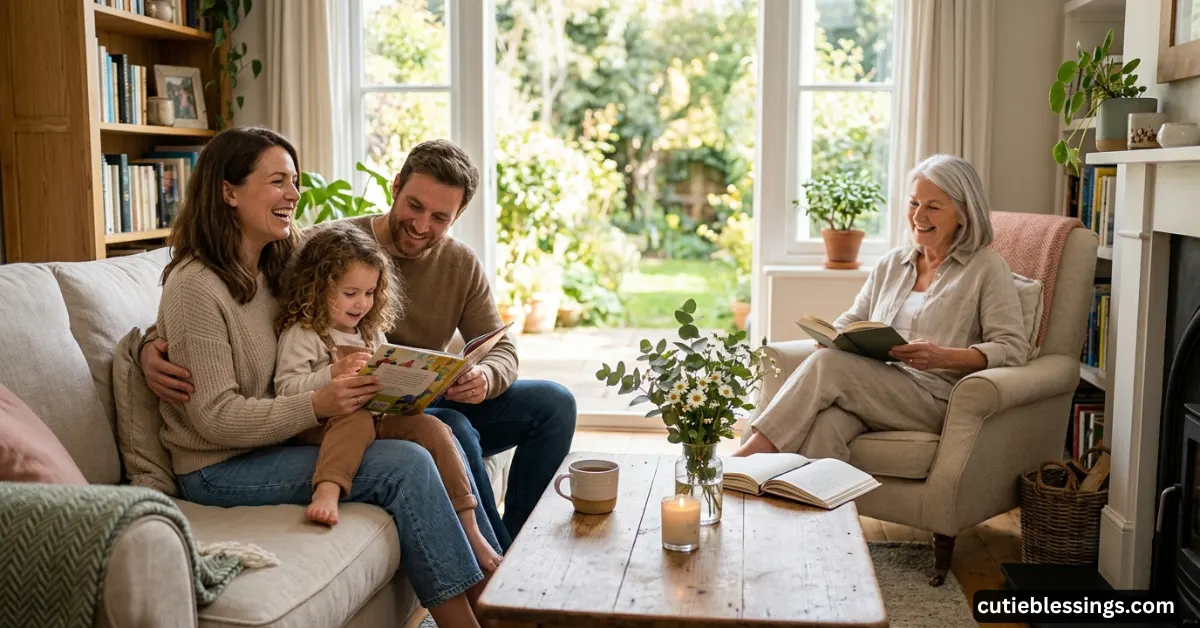
Experiencing peace is not about making one major change overnight.
It is usually the result of small daily choices repeated consistently.
- Choose gratitude over complaint.
- Choose forgiveness over bitterness.
- Choose reflection over constant distraction.
- Choose kindness over negativity.
- Choose faith over fear.
Over time, these choices create a foundation that supports lasting peace.
The blessing of peace becomes less of a distant goal and more of a daily reality.
You can also read: Blessings of Friendship That Bring Peace and Purpose
Conclusion
The blessing of peace is one of life’s most precious gifts. It provides stability during uncertainty, comfort during hardship, and joy during ordinary moments.
By practicing gratitude, releasing what you cannot control, creating quiet moments, choosing forgiveness, strengthening your spiritual life, simplifying your daily routine, and showing kindness to others, you can cultivate a deeper sense of peace that lasts beyond temporary circumstances.
Peace does not require a perfect life. It grows through intentional choices, healthy habits, and a willingness to focus on what truly matters.
As you move forward, consider which of these seven powerful ways you can begin applying today. Even one small step can bring you closer to experiencing the blessing of peace in a meaningful and lasting way.
FAQs:
What is the blessing of peace?
The blessing of peace is a deep sense of calm, comfort, and stability that helps you stay grounded even during difficult times. It allows you to face challenges with confidence and maintain a positive outlook on life.
How can I experience the blessing of peace every day?
You can experience the blessing of peace by practicing gratitude, spending time in prayer or reflection, and focusing on what you can control. Small daily habits that encourage calm and positivity can make a big difference over time.
Why is peace important for emotional well-being?
Peace helps reduce stress, anxiety, and negative thinking. When you experience the blessing of peace, it becomes easier to manage emotions, make wise decisions, and enjoy healthier relationships.
Can the blessing of peace help during difficult times?
Yes, the blessing of peace can provide comfort and strength during life's challenges. While it may not remove problems, it helps you face them with greater patience, hope, and resilience.
What are the best ways to maintain lasting peace?
Lasting peace often comes from consistent habits such as gratitude, forgiveness, kindness, and spiritual growth. By making these practices part of your daily life, you can enjoy the blessing of peace more consistently and deeply.