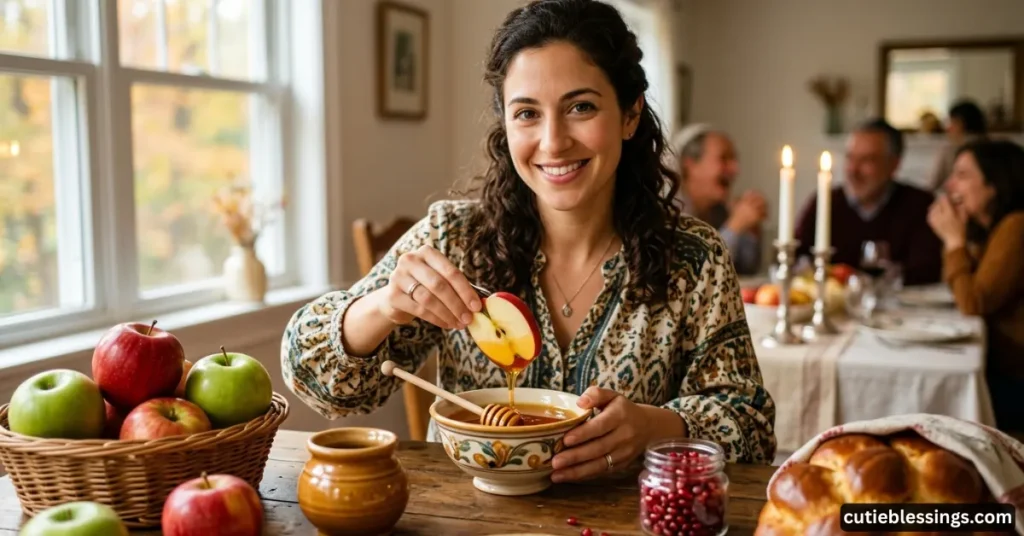
A simple slice of apple dipped in honey carries a message of hope that has touched generations. More than just a delicious tradition, it reminds people to look ahead with gratitude, faith, and the desire for a sweeter future.
The Blessing Over Apples and Honey is one of the most meaningful customs observed during the Jewish New Year, Rosh Hashanah. Families and friends gather around the table, share this symbolic food, and recite a special blessing that expresses hope for a sweet and prosperous year ahead. Even if you’re new to the tradition or simply curious about its meaning, understanding the blessing can deepen your appreciation for its rich spiritual significance.
This complete guide explains the blessing over apples and honey, its history, symbolism, how to say it, when to use it, and why this beautiful tradition continues to inspire millions around the world.
Table of Contents
What Is the Blessing Over Apples and Honey?
The Blessing Over Apples and Honey is a traditional Jewish prayer recited before eating apple slices dipped in honey during Rosh Hashanah.
The custom combines two important blessings:
- A blessing thanking God for creating the fruit of the tree.
- A short prayer asking for a sweet and good new year.
Together, these blessings transform a simple food into a meaningful spiritual experience filled with hope, gratitude, and anticipation.
Although apples and honey are ordinary foods, their combination has become one of the most recognizable symbols of Rosh Hashanah.
Why Apples and Honey Are Eaten on Rosh Hashanah
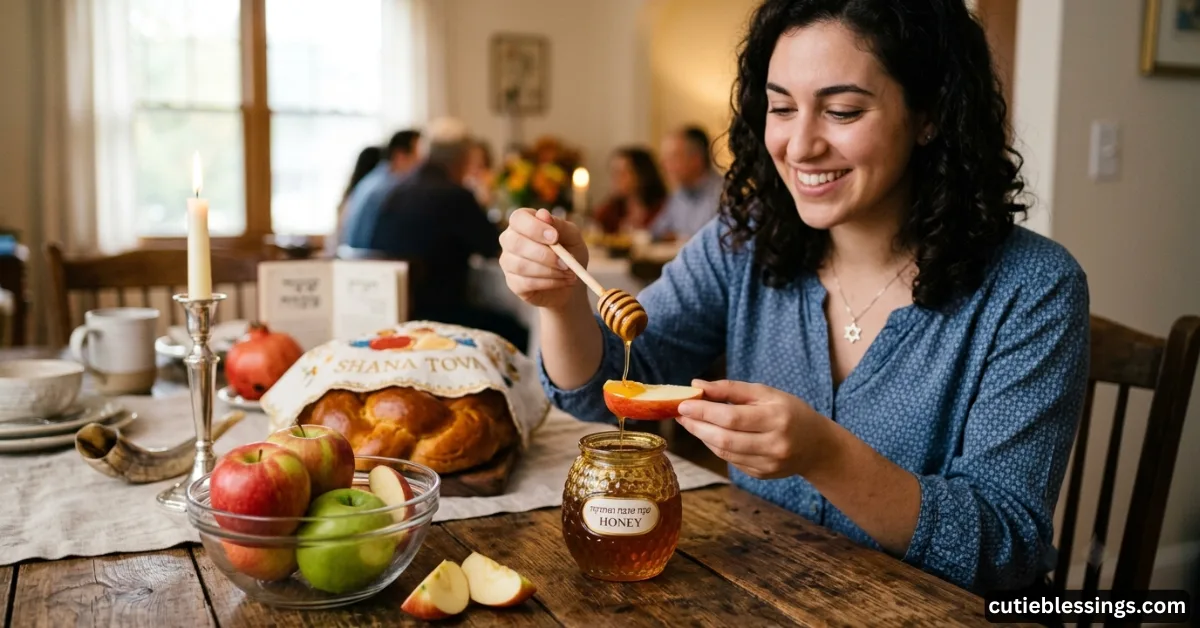
Food often carries symbolic meaning in religious and cultural traditions. Apples and honey represent much more than sweetness.
Apples Symbolize Blessing and Renewal
The apple is associated with beauty, freshness, and new beginnings.
As the Jewish New Year marks the start of another chapter, the apple reminds people that every year offers fresh opportunities to grow, improve, and strengthen relationships with God and others.
Its crisp texture and refreshing taste also reflect the excitement of beginning something new.
Honey Represents Sweetness
Honey symbolizes the hope that the coming year will be filled with:
- Happiness
- Good health
- Peace
- Prosperity
- Success
- Loving relationships
- Spiritual growth
By dipping the apple into honey, participants express their heartfelt wish that every aspect of life becomes sweeter in the months ahead.
The Traditional Blessing Over Apples and Honey
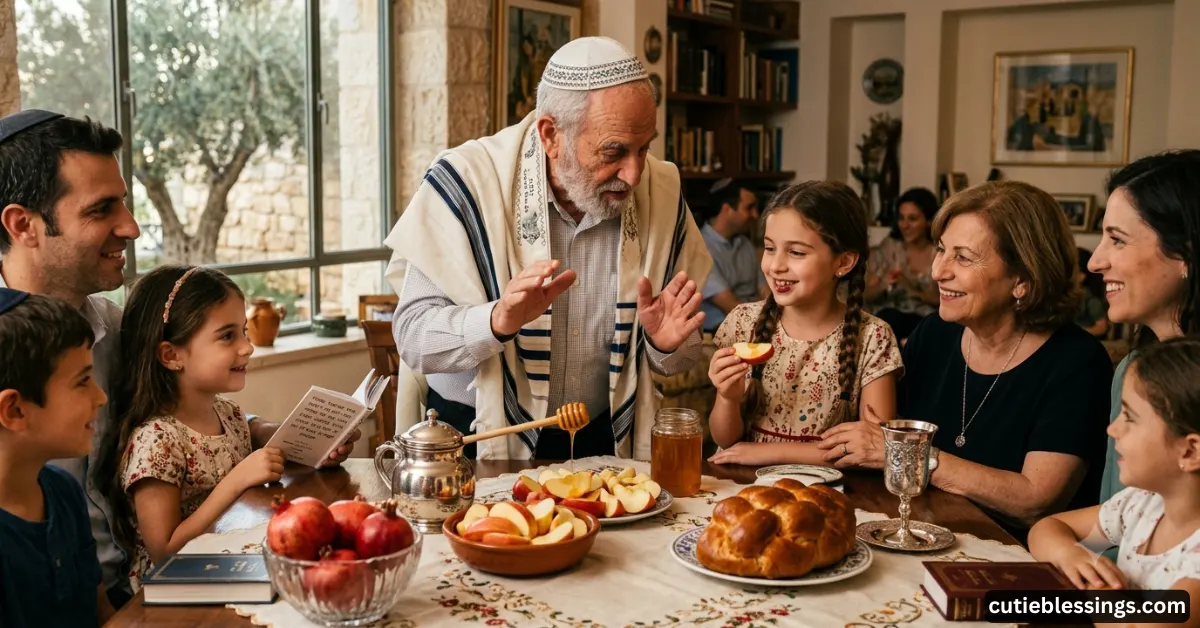
The custom begins with the blessing over the fruit.
Hebrew
Baruch Atah Adonai Eloheinu Melech Ha’olam, Borei Pri Ha’etz.
English Translation
Blessed are You, Lord our God, King of the universe, who creates the fruit of the tree.
After eating a small piece of apple dipped in honey, many families continue with this traditional prayer:
“May it be Your will, Lord our God and God of our ancestors, that You renew for us a good and sweet year.”
This second prayer expresses hope rather than obligation. It beautifully captures the spirit of Rosh Hashanah.
The Meaning Behind the Blessing
The blessing teaches several timeless lessons.
Gratitude Comes First
Before asking God for a sweet new year, the prayer first thanks Him for the food He provides
This reminds us to appreciate today’s gifts before asking for tomorrow’s hopes.
Hope Shapes the Future
The request for a sweet year encourages optimism.
Rather than dwelling on past disappointments, participants look ahead with confidence and faith.
Small Actions Can Carry Great Meaning
Dipping fruit into honey is simple.
Yet when paired with intention and prayer, even ordinary actions become meaningful spiritual moments.
The History of the Apples and Honey Tradition
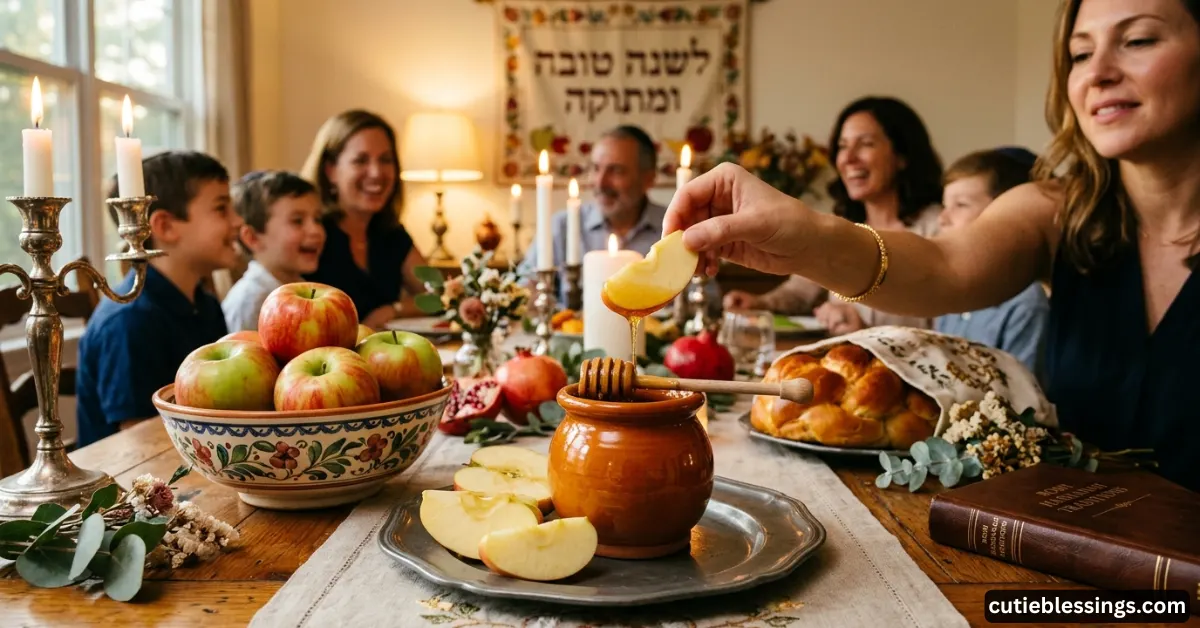
The custom dates back many centuries.
Ancient Jewish writings describe eating symbolic foods during Rosh Hashanah to express hopes for the coming year.
Over time, apples dipped in honey became one of the most beloved traditions because both foods naturally symbolize sweetness and blessing.
Different Jewish communities developed unique customs, but the central message has remained remarkably consistent:
May the coming year be filled with goodness.
When Is the Blessing Recited?
The blessing is traditionally said during the first evening meal of Rosh Hashanah.
Many families also repeat the custom on the second evening.
Some households continue enjoying apples and honey throughout the holiday, although the special prayer is generally associated with the festive meal.
How to Perform the Blessing Step by Step
If you’re participating for the first time, the process is simple.
Step 1: Prepare the Food
Slice fresh apples.
Place honey in a small serving dish.
Step 2: Gather Everyone
Many families gather around the holiday table before the meal begins.
Children often enjoy participating because the tradition is interactive and meaningful.
Step 3: Recite the Fruit Blessing
Say the traditional blessing over the apple.
Step 4: Dip the Apple into Honey
Coat the apple lightly with honey.
Step 5: Eat the Apple
Take a bite after completing the blessing.
Step 6: Say the Prayer for a Sweet Year
Offer the traditional prayer asking for a good and sweet new year.
Many families then wish one another a happy and sweet new year.
Why This Tradition Still Matters Today
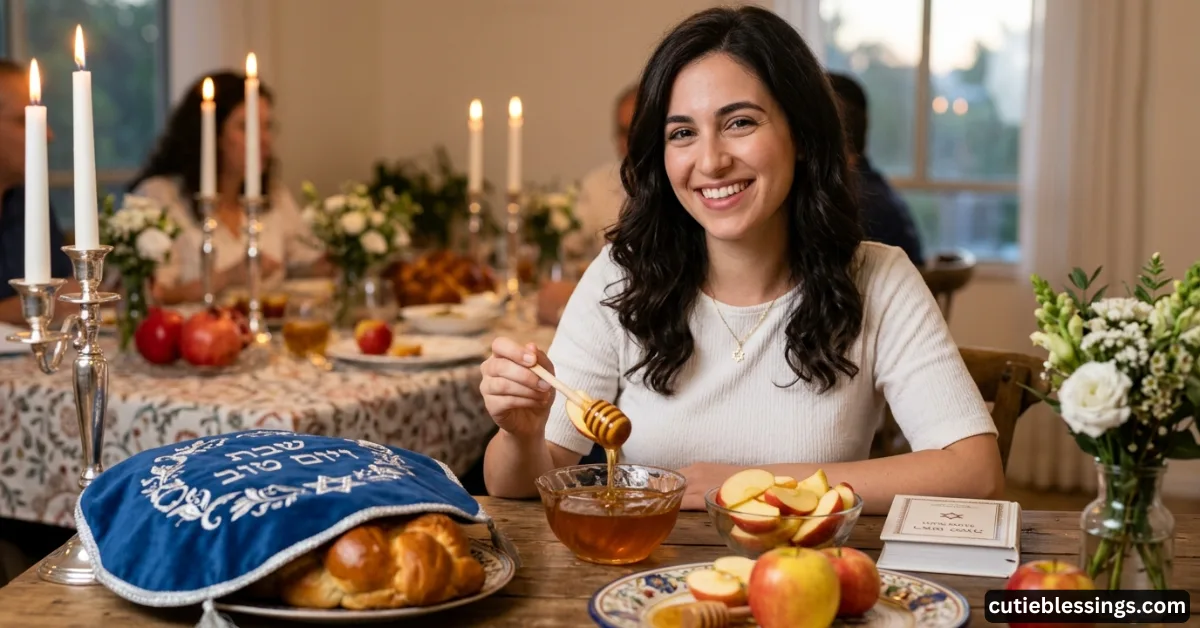
Modern life moves quickly.
People often begin a new year with resolutions, schedules, and goals but rarely pause to reflect spiritually.
The blessing over apples and honey creates that pause.
It encourages people to:
- Slow down
- Practice gratitude
- Strengthen family bonds
- Reflect on personal growth
- Enter the new year with hope
Its simplicity is one reason it has endured across generations.
The Spiritual Lessons Hidden in the Tradition
Every New Beginning Deserves Reflection
Rosh Hashanah invites people to evaluate the previous year.
The blessing reminds us that change begins with thoughtful reflection.
Sweetness Is More Than Comfort
The prayer does not simply ask for pleasure.
It asks for a life enriched by meaningful relationships, kindness, wisdom, and peace.
True sweetness comes from living with purpose.
Gratitude Opens the Heart
Thankfulness changes perspective.
When gratitude comes first, hope naturally follows.
Apples and Honey Around the World
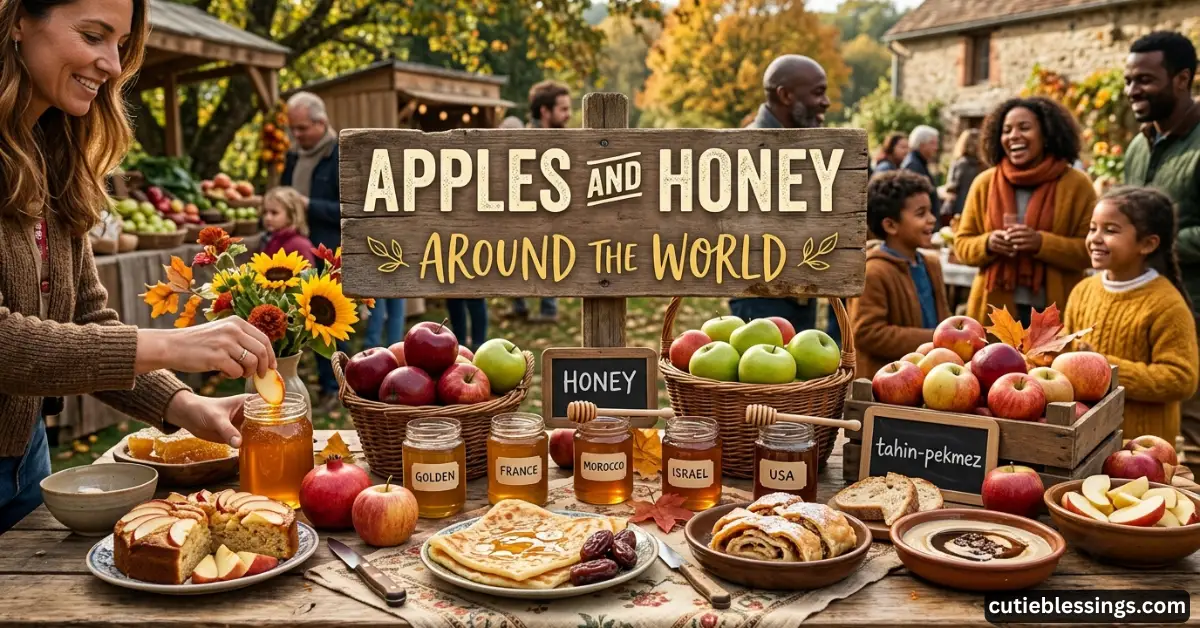
Jewish communities across the globe celebrate this tradition in slightly different ways.
Some families use local varieties of apples.
Others include homemade honey from nearby farms.
Recipes, serving styles, and family customs vary, but the blessing remains beautifully familiar.
This shared tradition creates a sense of connection across cultures and generations.
Common Questions About the Blessing
Is the Blessing Required?
For observant Jews, the blessing over fruit is part of traditional practice.
The additional prayer for a sweet year is a cherished custom that expresses heartfelt hope.
Can Children Participate?
Absolutely.
Many families teach children the blessing from an early age.
It provides a memorable way to learn gratitude and tradition.
Can You Use Other Fruits?
The traditional custom specifically uses apples.
However, different communities may enjoy additional symbolic foods during Rosh Hashanah.
Why Is Honey Chosen Instead of Sugar?
Honey represents natural sweetness that lasts.
It has long symbolized abundance, blessing, and God’s goodness.
Practical Ways to Make the Blessing More Meaningful
The blessing becomes even more memorable when paired with intentional reflection.
Share One Hope for the New Year
Invite everyone at the table to share one personal hope.
It could involve family, health, kindness, learning, or faith.
Express Gratitude
Before eating, mention one blessing received during the past year.
Simple moments often become the most meaningful.
Include Every Generation
Children, parents, grandparents, and guests can all participate.
The tradition becomes richer when everyone contributes.
Create a Family Tradition
Some families keep a journal of yearly hopes and revisit it the following Rosh Hashanah.
This creates lasting memories while highlighting personal growth over time.
Reader Benefits: What You Can Learn from This Tradition
Even if you do not personally observe Rosh Hashanah, the blessing offers valuable lessons that apply to everyday life.
Choose Gratitude Before Expectations
Appreciating today’s blessings creates a healthier mindset for tomorrow.
Celebrate New Beginnings
Every new season offers opportunities to improve relationships, pursue meaningful goals, and grow spiritually.
Build Stronger Family Connections
Shared traditions strengthen families because they create memories filled with purpose and love.
Find Meaning in Everyday Moments
Simple rituals often become life’s most treasured experiences.
An ordinary apple and a spoonful of honey become unforgettable when shared with gratitude.
Beautiful Reflections Inspired by the Blessing

Many people find inspiration in the deeper message behind the blessing over apples and honey.
It reminds us that sweetness is not measured by wealth or success alone. Instead, it can be found in acts of kindness, meaningful conversations, forgiving others, and appreciating life’s everyday gifts.
The tradition also encourages patience. Just as honey takes time to be produced, many of life’s greatest blessings grow slowly through faith, perseverance, and love.
When families gather around the holiday table, they are not simply sharing food. They are sharing hope, memories, and a commitment to begin another year with gratitude and purpose.
Tips for First-Time Participants
If this is your first experience with the blessing over apples and honey, keep these simple tips in mind:
Learn the Meaning First
Understanding why the blessing is said makes the experience more meaningful than simply memorizing the words.
Don’t Worry About Perfection
The spirit of the tradition is sincerity, gratitude, and hope. It is perfectly acceptable to learn step by step.
Focus on the Moment
Turn off distractions and be fully present with family and friends.
Reflect on the Year Ahead
Think about the qualities you hope to develop, the relationships you want to strengthen, and the kindness you hope to share.
You can also read: Proven Blessing Mix for Thanksgiving That Feels Magical
Conclusion
The Blessing Over Apples and Honey is much more than a cherished holiday custom. It is a heartfelt expression of gratitude, hope, and faith that has brought families together for generations. Through a simple apple, a taste of honey, and a meaningful prayer, people pause to appreciate life’s blessings while looking forward to a sweeter future.
Whether you are celebrating Rosh Hashanah for the first time, exploring Jewish traditions, or simply seeking to understand the deeper meaning behind this beautiful practice, the blessing offers timeless wisdom. It reminds us that every new beginning is an opportunity to choose gratitude, extend kindness, and embrace hope with an open heart.
As each new year begins, may the sweetness symbolized by apples and honey inspire not only joyful celebrations but also a life filled with compassion, purpose, peace, and lasting blessings.
FAQs:
What do apples and honey symbolize?
Apples and honey symbolize the hope for a sweet, happy, and prosperous new year during Rosh Hashanah. The apple represents new beginnings, while the honey reflects the wish for sweetness, peace, and blessings in the year ahead.
What is the blessing over apples and honey?
The Blessing Over Apples and Honey includes a traditional blessing over the fruit, followed by a prayer asking God for a good and sweet new year. It is recited before eating apple slices dipped in honey during the Rosh Hashanah celebration.
What is the apple and honey ritual?
The apple and honey ritual is a cherished Rosh Hashanah tradition. People dip apple slices into honey, recite the blessing over apples and honey, and pray for a sweet, healthy, and successful new year.
What blessings are said on Rosh Hashanah?
During Rosh Hashanah, people recite blessings over festive foods, including the Blessing Over Apples and Honey. They also offer prayers asking for a year filled with peace, good health, happiness, and God's blessings.
What are the three symbolic foods of Rosh Hashanah?
Three well-known symbolic foods of Rosh Hashanah are apples dipped in honey, round challah bread, and pomegranates. Each food represents hopes for the new year, including sweetness, abundance, and many good deeds.