
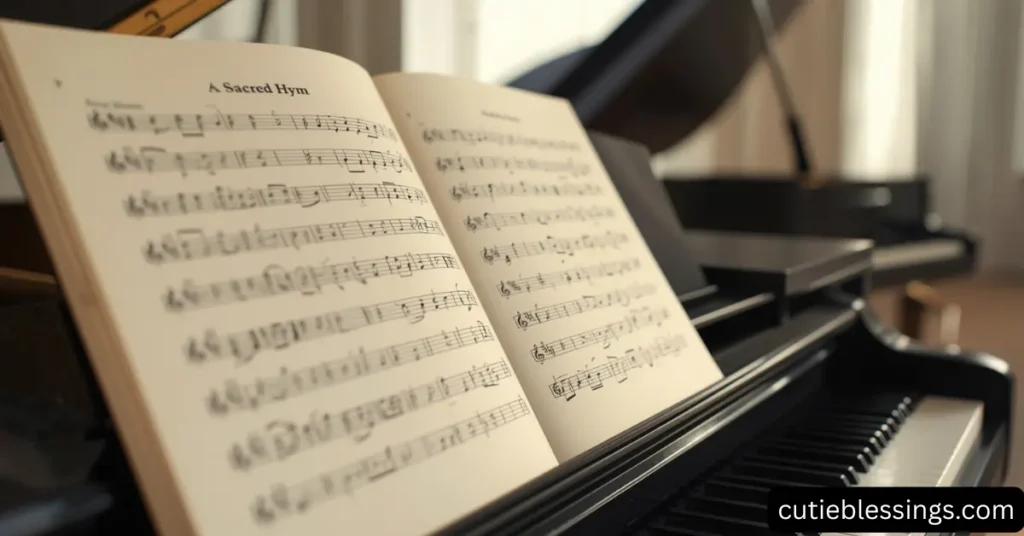
“Praise God From Whom All Blessings Flow” is one of the most timeless and powerful hymns ever written in Christian worship. It is widely sung in churches, choirs, and religious gatherings across the world. Because of its deep spiritual meaning and beautiful melody, many musicians search for Praise God From Whom All Blessings Flow sheet music to play it on piano, organ, guitar, or to arrange it for choir performances.
This article is a complete, easy-to-understand guide that explains everything about the hymn, its structure, musical style, and how you can use its sheet music effectively. Whether you are a beginner or an experienced musician, this guide will help you understand and perform the piece with confidence.
Table of Contents
The Meaning Behind the Hymn

Before learning sheet music, it is important to understand the meaning of the hymn. “Praise God From Whom All Blessings Flow” is a doxology, which means it is a short hymn of praise to God.
The lyrics express gratitude, worship, and acknowledgment that all blessings come from God. It is often sung at the end of church services as a closing hymn.
Simple Meaning of the Lyrics
The main message of the hymn can be understood in simple words:
- God is the source of all blessings
- All praise belongs to Him
- Heaven and earth should glorify Him
- The Holy Trinity is honored
Because of this powerful message, the hymn is often used in both traditional and modern worship settings.
History of “Praise God From Whom All Blessings Flow”
The hymn was originally written by Thomas Ken in the 17th century. He created it as a part of a larger collection of hymns meant for daily prayers.
Doxology became extremely popular because of its simplicity and strong spiritual message. Over time, it was paired with different musical arrangements, and today it is sung in various styles around the world.
Its most common tune is known as “Old 100th”, a melody that dates back to the 16th century.
Understanding the Sheet Music
When people search for “Praise God From Whom All Blessings Flow sheet music,” they usually want a musical arrangement that shows:
- Notes for piano or organ
- Chord symbols for guitar
- SATB choir parts (Soprano, Alto, Tenor, Bass)
- Rhythm and timing
- Key signature
This hymn is usually written in a simple 4/4 time signature, which makes it easy to play and sing.
Musical Structure of the Hymn
The hymn is simple but powerful. Its structure is easy for beginners to understand.
Key Features:
- Time Signature: 4/4 (common time)
- Key: Often G Major or F Major
- Tempo: Moderate (not too fast, not too slow)
- Style: Hymnal / Worship / Classical
Because of its simplicity, it is often one of the first hymns taught to piano students and church choirs.
Basic Melody Overview
The melody of “Praise God From Whom All Blessings Flow” is smooth and repetitive. This makes it easy to remember and perform.
The tune typically moves step-by-step rather than large jumps, which is why beginners find it easy to play.
What Makes the Melody Special?
- Easy to sing for groups
- Strong harmonic structure
- Balanced rhythm
- Suitable for organ, piano, and choir
Even with simple notes, it creates a deeply emotional and spiritual atmosphere.
Piano Sheet Music Guide for Beginners
If you are a beginner pianist, this hymn is a great starting point. The sheet music is simple and does not require advanced skills.
Step-by-Step Guide to Play on Piano
1. Learn the Right Hand Melody
Start by practicing the melody slowly with your right hand. Focus on one line at a time.
2. Add Left Hand Chords
Once the melody feels comfortable, add basic chords in the left hand. Common chords include:
- G Major
- C Major
- D Major
- Em (E minor)
3. Practice Timing
Use a slow tempo first, then gradually increase speed.
4. Combine Both Hands
After practicing separately, combine both hands slowly.
5. Play Smooth Transitions
Make sure your fingers move smoothly between chords to maintain flow.
Easy Piano Tips
- Keep your fingers relaxed
- Do not rush the tempo
- Practice small sections daily
- Use a metronome if possible
- Focus on expression, not speed
This hymn is not about complexity; it is about feeling and devotion.
Guitar Chord Version
For guitar players, this hymn is also very easy to play using basic chords.
Common Guitar Chords:
- G
- C
- D
- Em
Strumming Pattern Suggestion:
A simple pattern like:
Down – Down – Up – Up – Down – Up
works perfectly for this hymn.
You can also slow it down for a more traditional worship feel.
Choir Arrangement (SATB)
One of the most beautiful ways to perform this hymn is with a choir.
SATB Breakdown:
- Soprano: Carries the main melody
- Alto: Adds harmony
- Tenor: Supports mid-range harmony
- Bass: Provides depth and foundation
Choir Performance Tips:
- Start softly and build volume gradually
- Keep harmonies balanced
- Focus on unity of voices
- Pronounce lyrics clearly
When performed by a choir, the hymn becomes very powerful and emotional.
Organ Performance Style
In many churches, this hymn is traditionally played on the organ.
Organ Tips:
- Use sustained chords
- Keep registration simple (no heavy effects)
- Emphasize harmony rather than melody alone
- Maintain steady rhythm
The organ gives the hymn a majestic and sacred sound.
Why This Hymn Is So Popular in Sheet Music
There are many reasons why musicians love this hymn:
1. Simplicity
It is easy to read and play.
2. Versatility
It works for piano, guitar, choir, and organ.
3. Spiritual Depth
The lyrics carry deep meaning.
4. Educational Value
It is often used in music schools and churches for learning harmony.
5. Universal Use
It is sung across different denominations and cultures.
Common Variations in Sheet Music
Different versions of this hymn exist in sheet music form:
1. Traditional Version
- Simple melody
- Basic harmony
- Used in churches
2. Modern Arrangement
- Added chords
- Slight rhythm changes
- Used in contemporary worship
3. Choir Arrangement
- Multi-voice harmony
- Rich musical layers
4. Piano Solo Version
- Includes arpeggios
- More expressive style
Each version serves a different musical purpose.
How to Practice Effectively
If you want to master this hymn, follow these practice methods:
Daily Practice Plan:
- 10 minutes: Right-hand melody
- 10 minutes: Left-hand chords
- 10 minutes: Both hands together
Weekly Goal:
- Play without stopping
- Improve smooth transitions
- Add expression and dynamics
Consistency is more important than long practice sessions.
Emotional Expression in Performance
This hymn is not just about playing notes; it is about expressing gratitude.
Tips for Expression:
- Start softly
- Increase volume gradually
- Emphasize key words in lyrics
- End with a calm and peaceful tone
When played with emotion, the hymn becomes more powerful.
Mistakes Beginners Should Avoid
Here are common mistakes to avoid when playing this sheet music:
- Playing too fast
- Ignoring rhythm
- Not practicing hands separately
- Using wrong chord timing
- Lack of expression
Avoiding these mistakes will improve your performance quickly.
Educational Value of the Hymn

Music teachers often use this hymn because:
- It teaches basic harmony
- It improves sight-reading skills
- It introduces chord progressions
- It develops group singing ability
It is often one of the first hymns taught in church music programs.
Who Can Play This Hymn?
This hymn is suitable for:
- Beginners
- Intermediate musicians
- Church pianists
- Choir groups
- Guitar players
- Organists
Even children can learn simplified versions.
Modern Usage in Worship
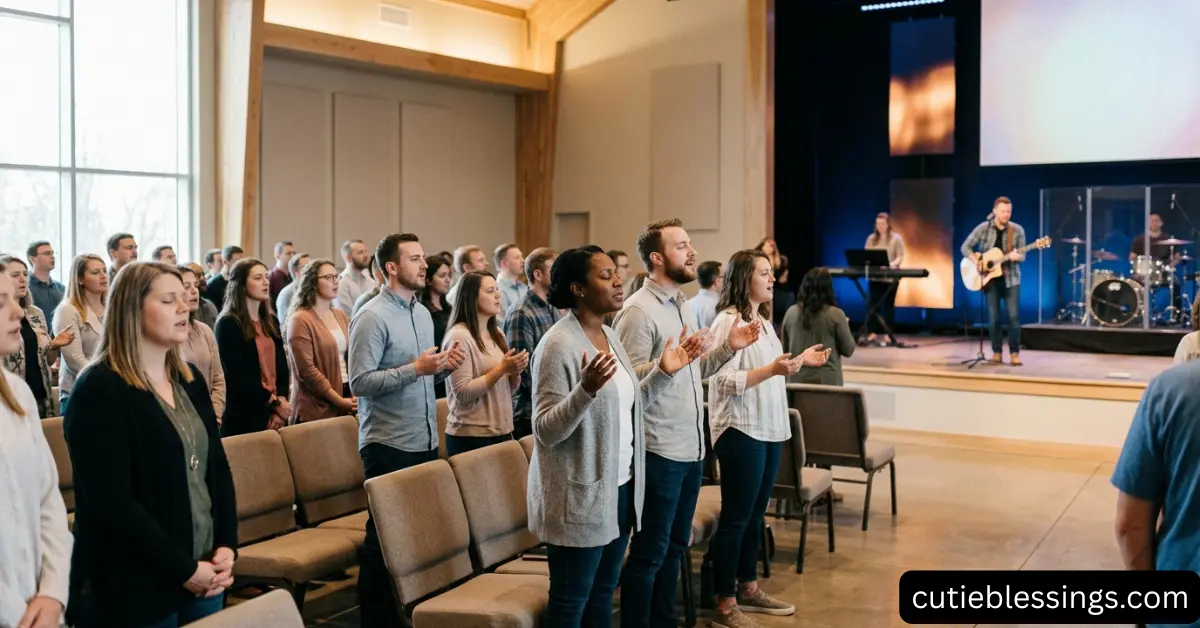
Today, this hymn is still widely used in:
- Church services
- Weddings
- Religious ceremonies
- Choir performances
- Online worship sessions
Its message remains relevant even in modern times
Conclusion
“Praise God From Whom All Blessings Flow Sheet music” is more than just musical notes—it is a powerful expression of gratitude and worship. Its simple structure makes it perfect for beginners, while its deep harmony makes it meaningful for advanced musicians and choirs.
Whether you play it on piano, guitar, or organ, or sing it in a choir, this hymn always carries a peaceful and spiritual feeling. By practicing regularly and focusing on expression, you can bring this beautiful hymn to life in your own unique way.
FAQS
Is “Praise God From Whom All Blessings Flow” easy to play on piano?
Yes, it is very easy and suitable for beginners.
What key is the hymn usually written in?
It is commonly written in G Major or F Major.
Can I play it on guitar?
Yes, it can be played easily using basic chords like G, C, D, and Em.
Is it suitable for choir performances?
Yes, it is widely used in SATB choir arrangements.
Why is this hymn so popular?
Because it is simple, meaningful, and spiritually powerful.