
The winter solstice has long held a special place in human imagination. Imagine standing outside on the shortest day of the year, feeling the crisp air, the long shadows, and knowing that tomorrow the sun will begin its slow journey back toward warmth and light. For the Celts, this was more than a simple observation of the sky—it was a sacred moment, a time to honor the cycles of nature, reflect on life, and embrace the promise of renewal. Through blessings, rituals, and heartfelt connection, they celebrated the return of light even in the midst of the darkest nights.
Winter Solstice Blessings Celtic are not just historical curiosities; they are living practices that can inspire modern celebrations. From symbolic rituals to practical tips for bringing the solstice into your home, these traditions offer a path to mindfulness, emotional renewal, and community connection. In this guide, we’ll explore everything you need to know to honor the winter solstice in the Celtic way, including meaningful blessings, symbolic practices, and step-by-step suggestions for modern adaptation.
Table of Contents
Understanding Winter Solstice in Celtic Culture
The winter solstice typically falls between December 20 and 23 in the Northern Hemisphere, marking the shortest day and the longest night of the year. For ancient Celtic communities, this astronomical event was far more than a calendar milestone. It symbolized the rebirth of the sun, a reminder that darkness is temporary and light inevitably returns.
Celtic people observed this season with ceremonies, blessings, and communal gatherings. These rituals reflected their deep respect for the natural world, the cycles of life, and the interconnectedness of humans with the earth. Solstice celebrations were occasions to pause, reflect, and align one’s life with the rhythm of nature, blending spiritual, social, and practical purposes.
The Spiritual Themes of the Winter Solstice
- Rebirth and Renewal: Acknowledging the sun’s return and the start of new cycles.
- Reflection and Introspection: Using long nights to meditate on personal growth, challenges, and aspirations.
- Harmony with Nature: Understanding the interconnectedness of humans and the natural world.
- Community and Connection: Strengthening relationships through shared rituals and gatherings.
The Winter Solstice Blessings Celtic were expressions of these themes—words meant to guide, protect, and inspire those who recited them.
The Meaning Behind Winter Solstice Blessings Celtic
Celtic blessings were deeply symbolic, carrying meaning far beyond their literal words. They were meant to invoke protection, offer hope, and honor the cycles of life. In essence, they bridged the spiritual and the practical, guiding people through the darkest period of the year while fostering optimism for the future.
Core Intentions of Winter Solstice Blessings
- Welcoming Light: Blessings were offered to mark the return of sunlight, symbolizing hope and renewal.
- Personal Reflection: The long nights encouraged introspection, goal-setting, and acknowledgment of life’s lessons.
- Strengthening Bonds: Blessings reinforced connections with family, friends, and community.
- Connecting to Nature: They honored the earth’s bounty and humanity’s role within the natural order.
Blessings were not only spoken but often incorporated into rituals, offerings, and symbolic acts, making the solstice both a personal and communal celebration.
Examples of Winter Solstice Blessings Celtic
These blessings, while rooted in ancient tradition, can be adapted for modern practice. They serve as examples to inspire your own personalized recitations.
Blessings for the Home
“May your home be filled with light, warmth, and peace as the sun returns to the sky.”
This blessing emphasizes safety, comfort, and the warmth of returning light, bringing spiritual energy into your living space.
Blessings for Loved Ones
“May the returning light fill your heart with joy, and may your days be bright and hopeful.”
Focuses on emotional well-being, health, and happiness, reinforcing the connection with those you care about.
Blessings for Nature
“May the forests, rivers, and hills flourish, and may we honor the earth in all our actions.”
Acknowledges the sacredness of the natural world, reminding us to live in harmony with the earth.
Tip: Personalize your blessings by including specific intentions, names, or desires for the year ahead. Writing your own blessings deepens the spiritual and emotional impact.
Rituals and Practices for Winter Solstice

Celtic winter solstice rituals were practical, symbolic, and deeply meaningful. Many of these traditions can be adapted to modern life.
Lighting Fires
Fire was central to solstice celebrations, representing light, protection, and the sun’s return. Modern adaptations include lighting candles, small hearth fires, or even using symbolic fire bowls indoors to honor the light.
Decorating with Evergreens
Holly, ivy, and mistletoe symbolized eternal life. Decorating with these plants not only connects you with nature but also brings a sense of continuity and resilience into your home.
Feasting and Sharing Meals
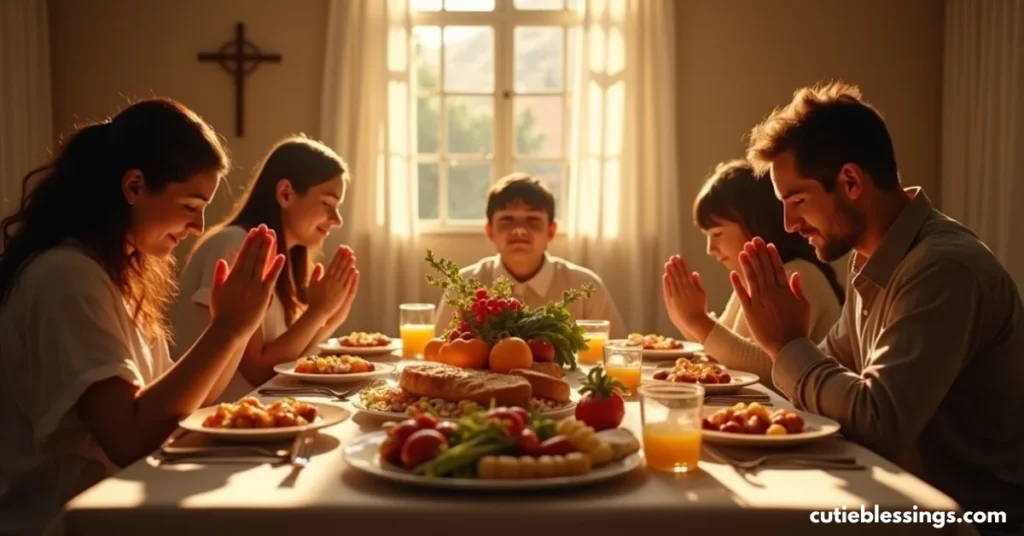
Celtic feasts celebrated seasonal foods like root vegetables, grains, nuts, and fruits, often shared with the community. Feasting reinforced social bonds and offered gratitude for the earth’s bounty.
Reflection and Journaling
Long nights provided time for introspection and meditation. Modern practices include journaling, setting intentions, or creating vision boards to reflect on past achievements and future goals.
Music and Storytelling
Music and storytelling were integral to solstice gatherings. Today, you can honor this tradition by reading Celtic myths, sharing personal stories, or playing music to create a sense of cultural continuity and emotional connection.
Symbols in Winter Solstice Blessings Celtic
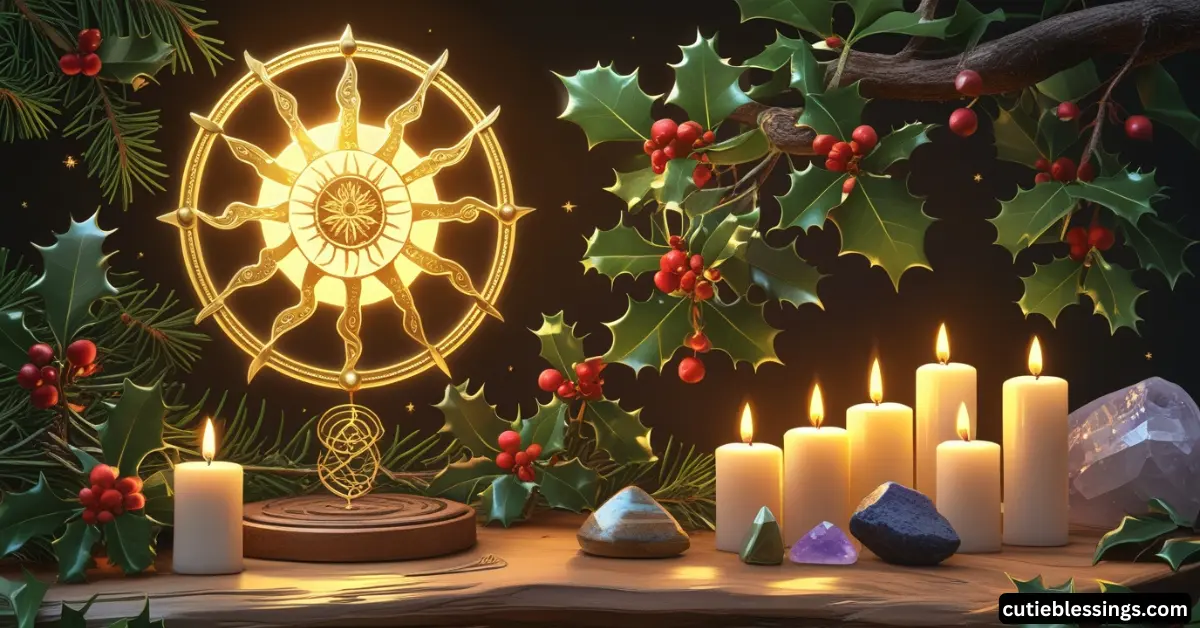
Understanding the symbolism behind solstice rituals enhances their meaning:
- Sun Wheel: Represents the journey of the sun and the cycle of the seasons.
- Evergreens: Symbolize resilience, continuity, and the permanence of life.
- Fire: Offers warmth, protection, and illumination during darkness.
- Holly and Mistletoe: Represent fertility, harmony, and protection from negativity.
Incorporating these symbols into your rituals, decorations, or personal practices strengthens your connection to ancient Celtic wisdom and the energy of the season.
Modern Ways to Celebrate Winter Solstice Blessings Celtic

Even if you are far removed from ancient Celtic lands, you can honor the solstice in your own life.
Create a Solstice Altar
Decorate with candles, evergreens, crystals, or sun symbols. Your altar can serve as a focal point for meditation, reflection, and ritual.
Daily Blessings
Start each day with a short blessing. For example:
“As the sun rises brighter each day, may your heart grow lighter, your spirit stronger, and your path guided by hope.”
Daily blessings cultivate mindfulness, positivity, and spiritual alignment.
Nature Walks
Spend time outside, observing seasonal changes, listening to the wind, and feeling the crisp air. Walking mindfully strengthens your connection to the earth and the rhythm of the seasons.
Mindful Feasting
Prepare a meal using seasonal ingredients, emphasizing gratitude for nourishment and community. This practice mirrors the ancient Celtic tradition of sharing abundance and fostering connection.
Acts of Gratitude
Write letters, offer blessings, or simply reflect silently. Gratitude enhances emotional resilience, joy, and well-being.
Benefits of Practicing Winter Solstice Blessings Celtic
Integrating these traditions into your life offers numerous benefits:
- Mindfulness: Encourages intentional living and presence.
- Connection: Deepens relationships with loved ones and nature.
- Emotional Renewal: Promotes positivity and hope during winter’s darkest nights.
- Cultural Appreciation: Honors ancient Celtic wisdom and seasonal cycles.
- Creativity: Inspires writing, crafting, storytelling, and ritual design.
- Spiritual Alignment: Encourages reflection on personal growth and life purpose.
These practices are not just seasonal—they cultivate habits of reflection, gratitude, and connection that can last all year.
Step-by-Step Guide to Your Own Celtic Winter Solstice Celebration
Step 1: Designate a Sacred Space
Choose a quiet spot in your home and decorate with candles, natural elements, or symbols meaningful to you.
Step 2: Light Candles or Fire
Symbolize the return of the sun and the warmth of light in darkness. Focus on meditation or reflection.
Step 3: Offer Winter Solstice Blessings Celtic
Recite blessings for yourself, your loved ones, and the natural world. Personalize them for deeper resonance.
Step 4: Reflect on the Past Year
Journal about lessons, challenges, and achievements. Contemplate what you wish to carry forward.
Step 5: Share a Seasonal Meal
Prepare a meal with family or friends, using locally sourced or seasonal ingredients. Give thanks for the earth’s abundance.
Step 6: Set Intentions for the Coming Year
Identify personal goals, aspirations, and areas for growth. Focus on renewal, hope, and alignment with life’s rhythm.
Step 7: Close Your Celebration
Conclude with gratitude, reflection, and a symbolic gesture, such as extinguishing candles or leaving an offering of nature.
You can also read: Best Winter Solstice Blessing to Start a New Beginning
Conclusion
The winter solstice is a time of hope, renewal, and connection. Through Winter Solstice Blessings Celtic, we can honor the cycles of nature, strengthen relationships, and cultivate mindfulness in our lives. From lighting candles and offering heartfelt blessings to engaging in reflection, feasting, and storytelling, these traditions provide guidance for navigating darkness with intention and joy.
By embracing these ancient practices in a modern context, you are not only celebrating the return of light—you are also nurturing your emotional well-being, creativity, and spiritual growth. The Celts understood that darkness is temporary and that light always returns. By honoring this truth through ritual, reflection, and celebration, we invite hope, harmony, and renewal into our lives.
Celebrate the winter solstice with intention. Let the wisdom of Celtic blessings guide your journey, and allow the light of the season to illuminate your heart, your home, and your path forward.
FAQs:
What is the blessing for winter solstice?
A traditional blessing for the winter solstice often focuses on the return of light, renewal, and protection. For example:
"May the returning light fill your heart with warmth, hope, and joy throughout the year."
What is the Celtic winter prayer?
Celtic winter prayers are usually simple, reflective, and connected to nature. They might honor the sun, the earth, and the cycles of life, offering gratitude and intention for the season.
What is the Irish blessing for winter?
An Irish-style blessing for winter often emphasizes protection, joy, and warmth, such as:
"May your hearth be warm, your heart be light, and your days be full of peace this winter season."
What is the Celtic ritual for the winter solstice?
Celtic solstice rituals often included lighting fires, decorating with evergreens, feasting with seasonal foods, storytelling, and offering blessings for home, family, and nature.
How to wish someone happy winter solstice?
A warm, heartfelt greeting could be:
"Wishing you joy, light, and renewal this Winter Solstice." Personalizing it with blessings makes it more meaningful.
Who is the Celtic goddess of winter solstice?
In Celtic mythology, the goddess Cailleach is associated with winter, frost, and the dark season. She is revered as the bringer of winter’s cold but also its wisdom and transformation.